Warm spring brings early UK blossom, highlighting climate-driven shifts
UK gardens are opening blossom season weeks early after a wet winter and sudden warmth, with some flowers in the south-west appearing up to two months ahead of schedule.
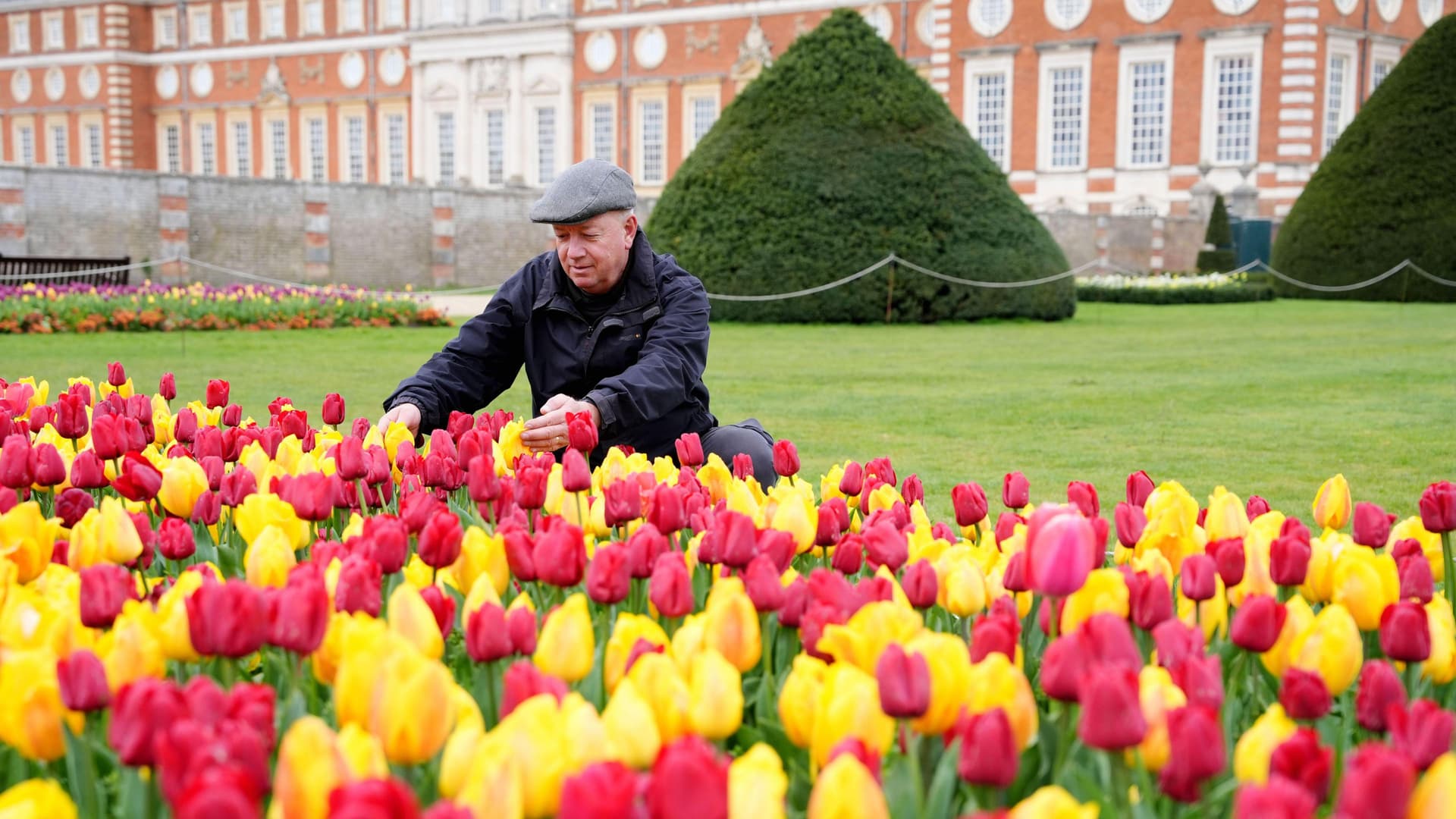
Early blossom has turned into a clear climate signal across the UK, with gardens and woodlands bursting weeks ahead of their usual timetable after a wet winter and a burst of spring warmth. Sarah Keith-Lucas has pointed to the timing shift as gardeners and visitors enjoy the spectacle, but horticultural groups say the bloom pattern also reflects how strongly weather now shapes the season.
The National Trust said many of its more than 220 gardens had the “best start” to blossom season after an ideal run of conditions: a wet winter, a surge of spring warmth and then a return to cooler days. In the south-west of England, some early spring blooms were appearing up to two months earlier than usual. The trust had already flagged a similar pattern in March 2024, when unseasonably mild winter temperatures and recent wet weather pushed flowering trees and blossom about four weeks earlier than normal in pockets of England and Wales.
The Woodland Trust’s records show that bluebells usually flower in April, although the earliest blooms can appear in late March. Its Nature’s Calendar data puts the UK average first-flowering date for bluebells at 9 April across the 2001 to 2025 record. That project draws on a biological record stretching back to 1736, giving scientists a long view of how the country’s seasonal rhythm has changed.

Those changes are not limited to bluebells. The Woodland Trust says its Spring Index shows spring events have advanced by 8.6 days since 1998 compared with the average dates in the first part of the 20th century. The Royal Meteorological Society has also cited a 2022 study finding that UK plants are now flowering around a month earlier than they did before the mid-1980s, a shift tied to climate change.
For gardeners, earlier blossom can be a mixed blessing. It brings colour sooner, but it also complicates pruning, planting and frost planning, especially when mild spells are followed by sudden cool snaps. Earlier flowering also changes when pollinators find nectar and when pollen enters the air, which matters for bees, butterflies and people who track allergy season. Taken together, this year’s display does not look like an isolated flourish. It fits a wider and increasingly well-measured pattern of advancing spring phenology across the UK, visible in snowdrops, crocuses, primroses, daffodils, blossom and bluebells alike.
This article was produced by Prism’s automated news system from verified source data, official records, and press releases, then run through automated quality and moderation checks before publishing. The system is built and supervised by the people who set the standards it runs under. Read our full AI policy.
Did this article answer your question?


