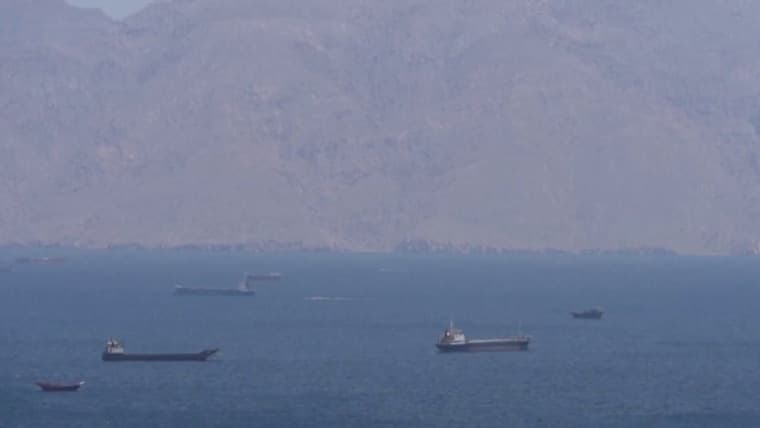
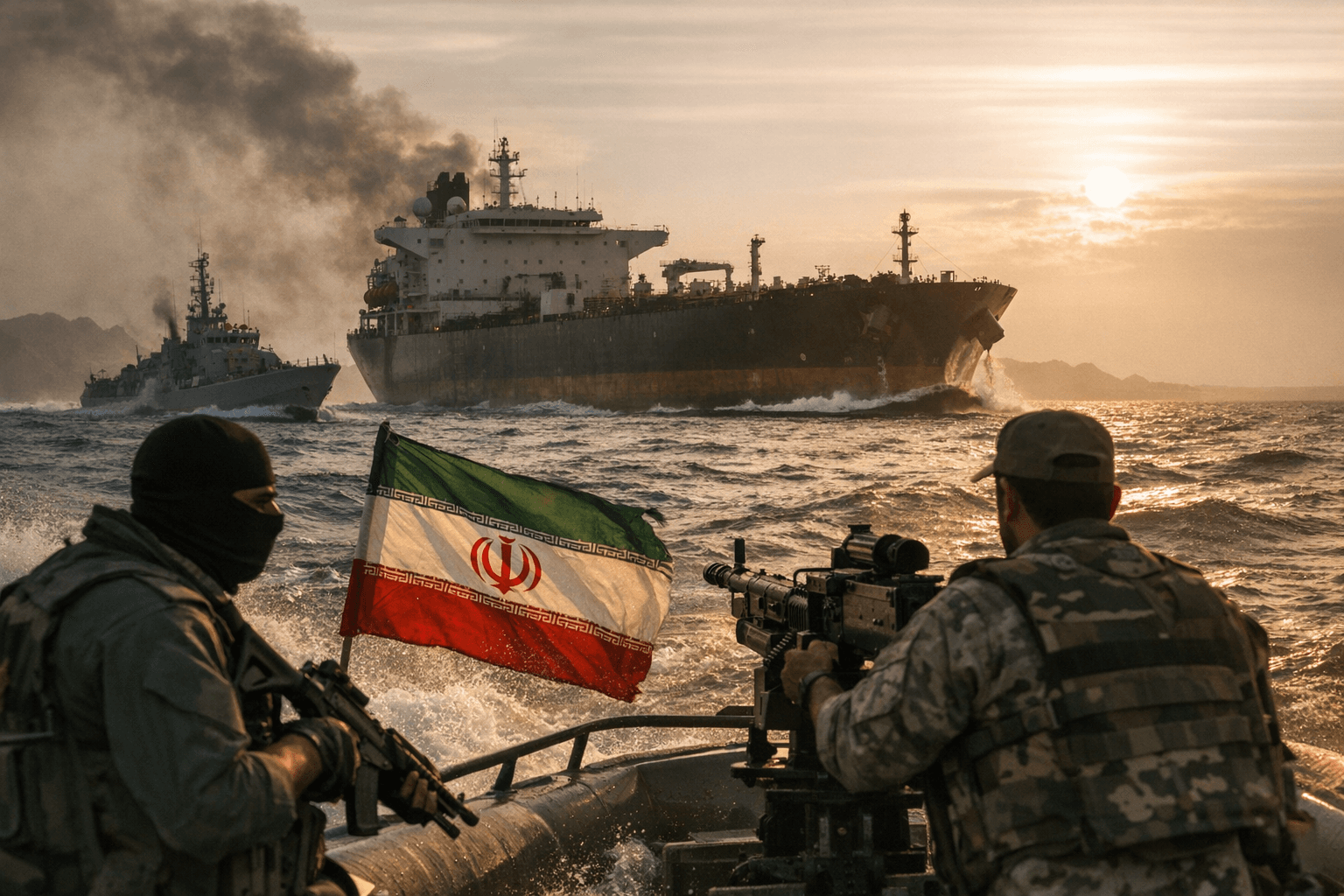
Iran threatens to keep Strait of Hormuz closed unless U.S. lifts blockade
Iran shut the Strait of Hormuz again, risking a jolt to oil prices and fuel costs as 20 million barrels a day move through the chokepoint.

A renewed closure of the Strait of Hormuz threatened to rattle global oil prices, tanker insurance costs and fuel markets from Asia to Europe, as Iran tied any reopening to a U.S. lift of its blockade on Iranian ports.
Mohammad Bagher Ghalibaf, Iran’s parliamentary speaker, said early Sunday that the strait would remain closed “if the U.S. does not lift the blockade.” He said it was “impossible for others to pass through the Strait of Hormuz while we cannot,” drawing a direct line between Iran’s restrictions and Washington’s naval pressure. Tehran also said it was still “far” from a final peace deal with the United States, even after some progress in talks.
The latest move came after Iran briefly reopened the waterway for commercial vessels during the ceasefire, then reversed course and closed it again on Saturday, April 18, 2026, after the U.S. said its blockade would stay in force. The ceasefire was reported to be due to expire on Wednesday, April 22, 2026, leaving diplomacy on a short fuse and commercial shipping exposed to another round of disruption.
The practical stakes are enormous. The U.S. Energy Information Administration says about 20 million barrels per day of oil flowed through the strait in 2024, roughly 20% of global petroleum liquids consumption. The International Energy Agency puts the figure at about 20 million barrels per day as well, or around 25% of world seaborne oil trade, with about 80% of that crude headed for Asia. The strait is also critical for natural gas, including most of Qatar’s liquefied natural gas exports.
Even before any formal closure, tanker traffic plunged during the conflict, and Reuters described the situation as a de facto closure. Analysts and market participants have warned that short disruptions can quickly spread beyond oil markets, squeezing supply chains and lifting costs for import-dependent economies. The latest standoff has already been described as one of the most severe energy supply disruptions since Russia’s invasion of Ukraine.
For diplomacy to resume, both sides would need to climb down from the current escalation. Iran has made the blockade the central condition for reopening the strait, while Washington has kept pressure on Iranian ports. Until the ceasefire is extended and the blockade issue is addressed, Hormuz remains the point where political messaging and market risk meet in the same narrow channel.
Know something we missed? Have a correction or additional information?
Submit a Tip