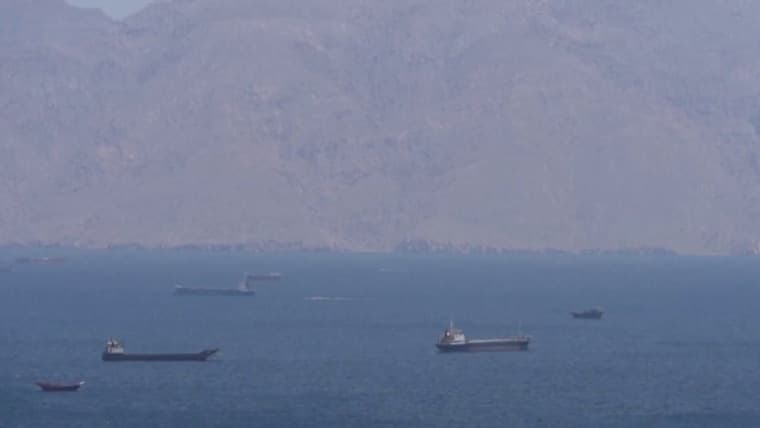
Iran tightens Strait of Hormuz restrictions as ceasefire deadline nears
Iran tightened Strait of Hormuz restrictions again, threatening oil flows that carry about 20 million barrels a day and could hit U.S. fuel prices fast.
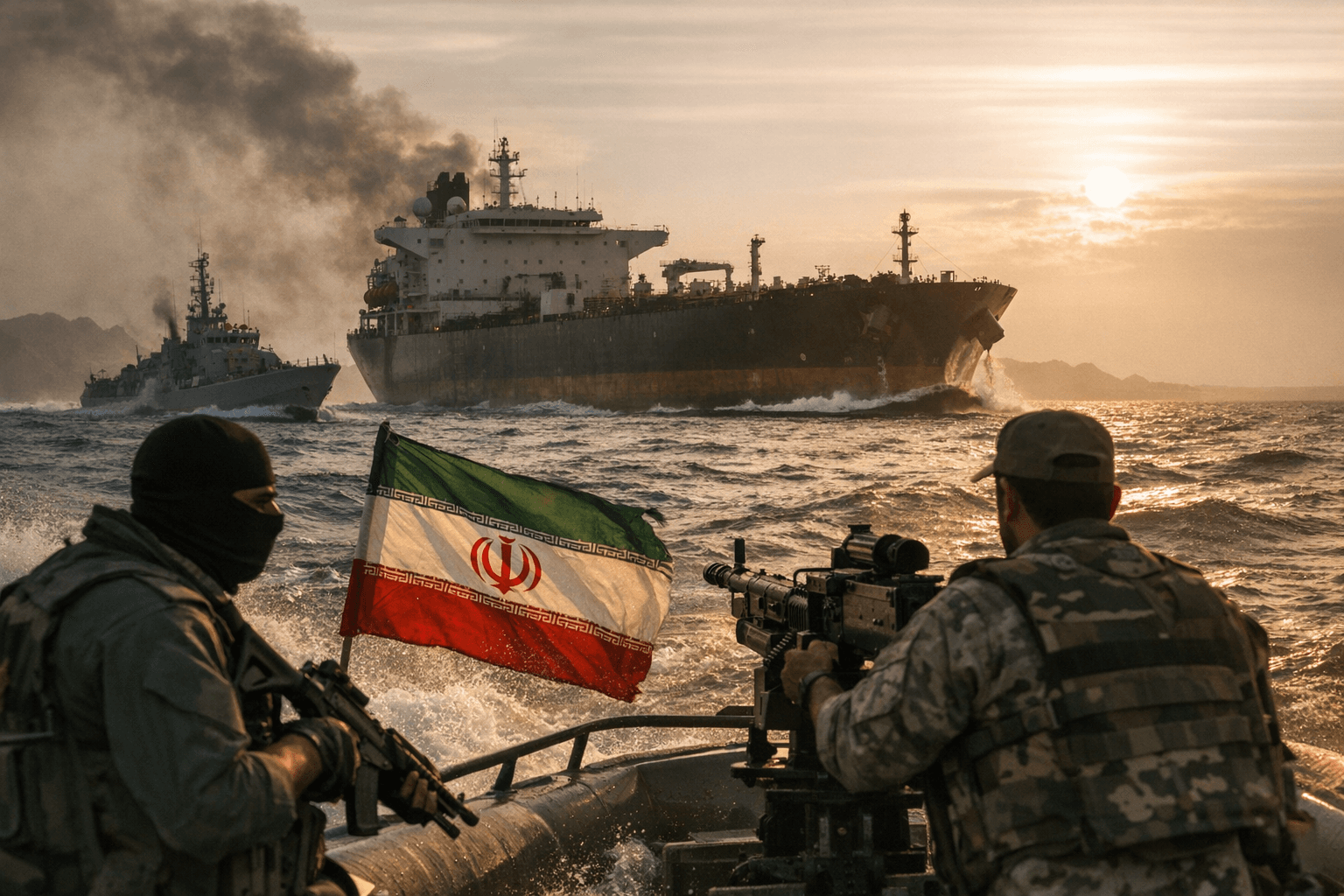
Even a partial squeeze on the Strait of Hormuz can ripple through oil prices, tanker insurance and gasoline bills in the United States within hours, and Iran tightened that pressure again as a fragile ceasefire deadline approached. The waterway carries about 20 million barrels of oil a day, roughly one-quarter of world seaborne oil trade, while the U.S. Energy Information Administration says flows through the strait in 2024 and the first quarter of 2025 accounted for more than one-quarter of global seaborne oil trade and about one-fifth of global oil and petroleum product consumption.
Iran’s latest move sharpened a choice between leverage and escalation. The Associated Press said Tehran tied any relaxation of restrictions to the U.S. blockade of Iranian ports being lifted, signaling that the closure threat was being used as bargaining power. The timing matters because the Strait of Hormuz is not just symbolic. The International Energy Agency says roughly 93% of Qatar’s LNG exports and 96% of the United Arab Emirates’ LNG exports pass through it, and only about 3.5 million to 5.5 million barrels a day of pipeline capacity exists to reroute crude around the chokepoint.
The market impact was already visible. World Trade Organization data showed that after Iran announced a closure on March 2, outbound traffic from the Persian Gulf tracked by AIS came to almost a complete halt. After the strait reopened following a 10-day ceasefire between Israel and Lebanon, Reuters reported that more than a dozen tankers, including three sanctioned vessels, moved through, but other ships slowed, paused or turned back as risk returned.
That risk hardened again when two Indian-flagged ships were reportedly fired on while trying to cross. India’s Ministry of External Affairs summoned Iran’s ambassador in New Delhi, and Vikikram Misri expressed deep concern over the attacks. The United Kingdom Maritime Trade Operations warned of a shooting incident in the strait, while maritime sources said the mine threat in parts of Hormuz was not fully understood, raising the prospect that insurers would price in a longer and costlier disruption rather than a brief standoff.
The United States is preparing for that scenario. U.S. Navy reporting said forces were staging mine-clearance operations with drones, explosive-laden robots and helicopters, a sign that planners see the danger as operational, not rhetorical. For Iran, the pattern suggests a campaign to extract concessions by threatening the world’s most sensitive oil lane. For global markets, it is a reminder that Hormuz is a choke point where diplomatic deadlock can become a supply shock before the first barrel stops moving.
Know something we missed? Have a correction or additional information?
Submit a Tip