U.S.-Iran peace talks make progress, but Strait of Hormuz dispute remains unresolved
Tehran said progress was made, but the Strait of Hormuz was back in shutdown, putting 20 million barrels a day of oil trade and prices at risk.
Progress in U.S.-Iran talks was not enough to keep the Strait of Hormuz open, and that gap now has immediate consequences for oil, freight and prices. Iranian Parliamentary Speaker Mohammad-Bagher Ghalibaf said some issues had been concluded, but he also said there was still a “complete distrust” of U.S. negotiators and “a big distance” between the sides on key points, including Hormuz.
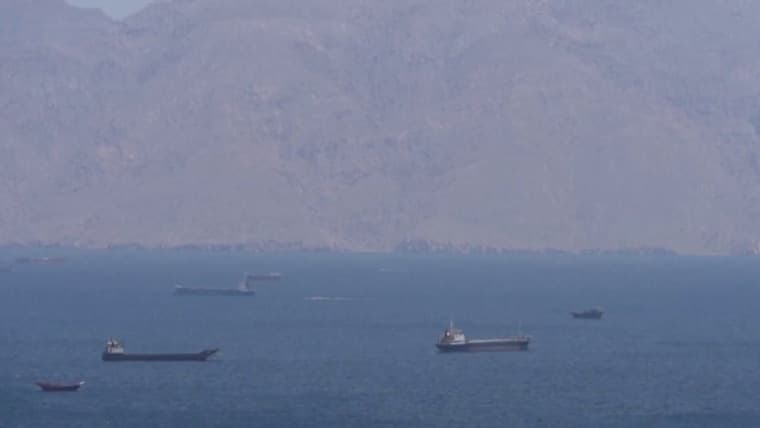
The talks in Islamabad were the highest-level face-to-face contact between the United States and Iran since 1979, but the most sensitive issue remained the waterway that carries roughly 20 million barrels a day of crude oil and oil products, according to the International Energy Agency. That is about 25% of the world’s seaborne oil trade, and about 80% of the flows are headed to Asia. At its narrowest point, the strait is only 29 nautical miles wide, with two navigable channels just 2 miles wide, leaving little room for error when diplomacy falters.
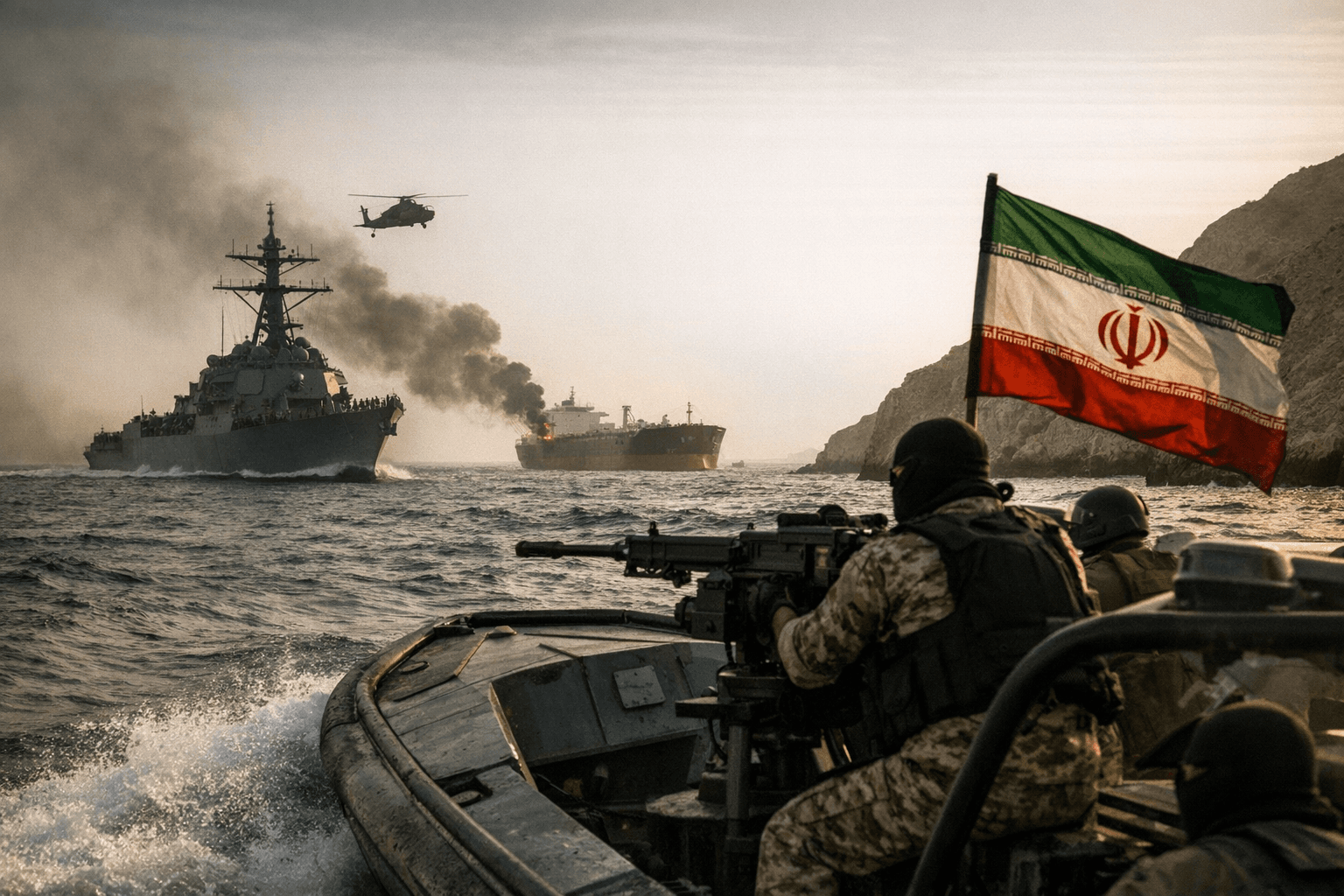
The dispute moved from negotiating table to shipping lanes on Sunday, when Iran’s military said the strait had closed again on April 18 after a brief reopening. Reuters reported that commercial ships were turning away and that traffic through Hormuz had fallen to a standstill on April 19, undercutting President Donald Trump’s earlier claim that a deal was “very close.” Trump has warned Iran not to “blackmail” Washington by closing the route, while Iranian officials have said the U.S. blockade of Iranian ports violates the ceasefire framework.
The practical meaning of “distance to a peace deal” is measured in barrels, freight rates and inflation pressure. UNCTAD said in April 2026 that the Strait of Hormuz remained “practically closed” and warned of wider financial stress as trade is disrupted. The Dallas Federal Reserve said the closure that followed the Feb. 28, 2026 outbreak of conflict with Iran underscored the risk of a major global oil-supply shock. The International Energy Agency has said continued restrictions on tanker movements through Hormuz helped drive the largest oil-supply disruption in history.
Officials are still discussing new proposals, including the possibility of unfreezing Iranian funds, but the core issue remains unchanged: a narrow passage that is central to global energy security has become the clearest measure of whether diplomacy is actually moving. Until that route stabilizes, every statement about progress will be tested against the cost of keeping ships at sea and oil moving.
This article was produced by Prism’s automated news system from verified source data, official records, and press releases, then run through automated quality and moderation checks before publishing. The system is built and supervised by the people who set the standards it runs under. Read our full AI policy.
Did this article answer your question?


