US extends Russian oil waiver, drawing Ukraine outrage over sanctions relief
Washington extended a Russian oil sanctions waiver to steady energy markets from Iran-war shocks, but Kyiv says it funnels billions to Moscow’s war.
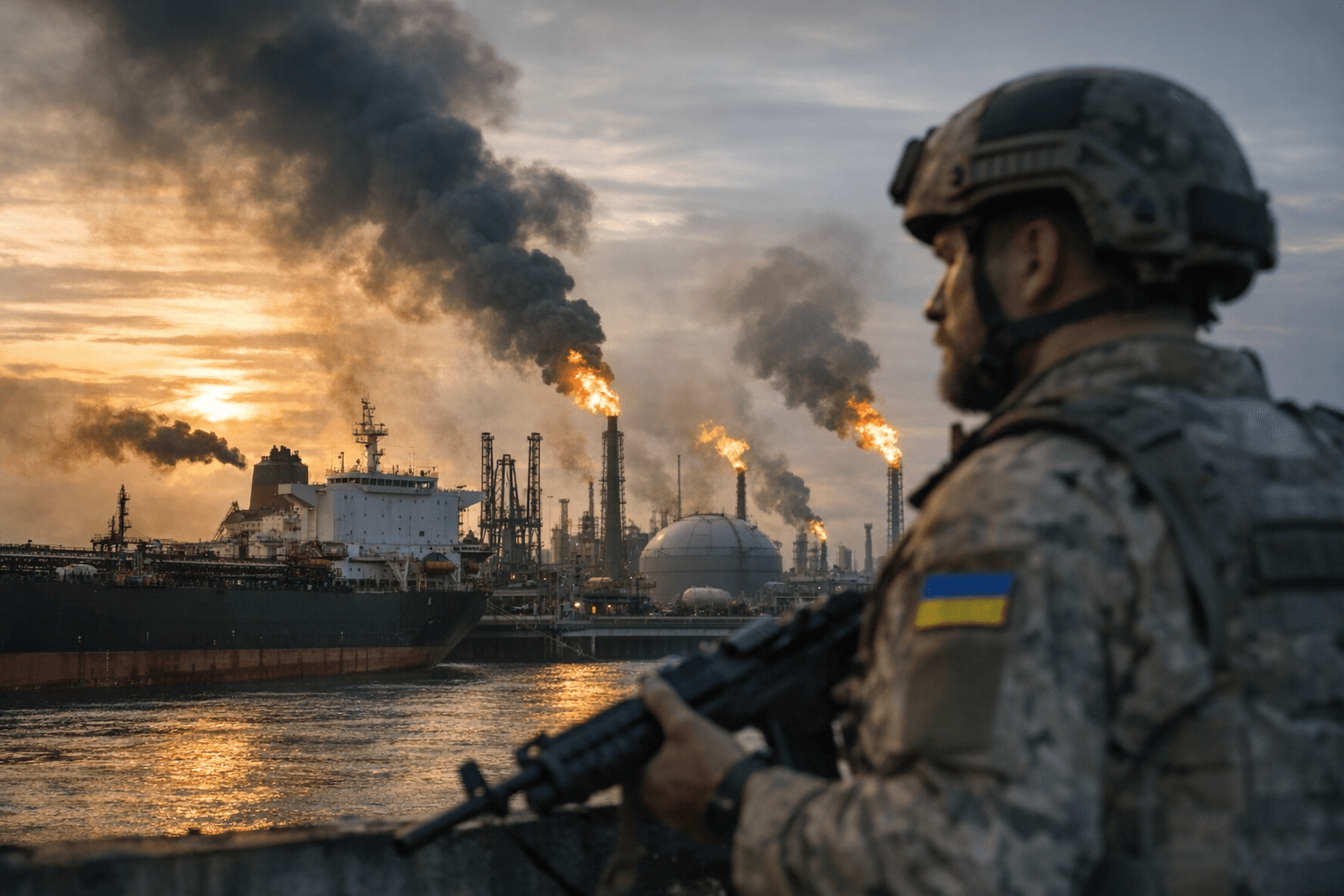
The U.S. Treasury Department extended its pause on sanctions for Russian oil shipments on Friday, issuing a 30-day general license that covers Russian oil and petroleum products already loaded on tankers by the cutoff date and runs until May 16. The move followed a similar 30-day license issued in March, when cargoes loaded by March 11 were exempted, and it came just as the earlier waiver was due to expire around April 11 to April 16.
The reversal was striking because Treasury Secretary Scott Bessent had publicly said the administration would not renew the Russian oil license. Instead, Washington chose to keep a narrow channel open for Russian crude while it argued that the measure was needed to ease shortages and price shocks linked to the Iran war and broader strain in Middle East energy markets. Some reports said the waiver explicitly excluded transactions involving Iran, Cuba and North Korea.
For Ukraine, the decision landed as a direct contradiction of U.S. sanctions policy. President Volodymyr Zelensky said revenue from Russian oil helps finance Russia’s war in Ukraine, and warned that the relief could amount to billions of dollars for Moscow’s military effort. The Ukrainian presidency has argued that every dollar spent on Russian oil undermines the pressure Western governments have tried to build since Russia’s full-scale invasion of Ukraine in February 2022.
The stakes are high because Russia has depended heavily on oil revenue to sustain its war economy, and sanctions were designed to reduce that income by constraining one of the Kremlin’s most important cash sources. By extending the license, the U.S. is trying to manage a short-term energy supply problem without fully abandoning sanctions enforcement, but the choice exposes a recurring policy trade-off: stabilize global markets now, or preserve maximum pressure on Moscow. European voices have also criticized the move, saying it weakens the sanctions regime even as the Middle East conflict keeps energy prices volatile.
This article was produced by Prism’s automated news system from verified source data, official records, and press releases, then run through automated quality and moderation checks before publishing. The system is built and supervised by the people who set the standards it runs under. Read our full AI policy.
Did this article answer your question?


