Iran sentences British motorcycle tourists to 10 years in prison
A British couple on a motorcycle tour got 10-year sentences in Iran after months in Evin prison. Their case has reignited fears about hostage diplomacy and the limits of consular help.
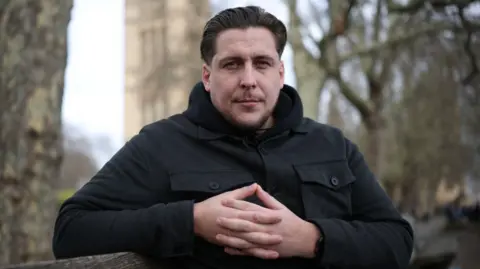
Lindsay Foreman and Craig Foreman now face 10 years in prison in Iran after their arrest in Kerman during an around-the-world motorcycle journey, a case that has become a stark example of how Western nationals can turn into bargaining chips in Tehran. The couple, from East Sussex, deny the espionage allegations against them and were later held in Evin prison, the Tehran facility long associated with some of Iran’s most sensitive foreign-detainee cases.
Their sentencing was reported on 19 February 2026, after a court appearance on 27 October 2025 before Judge Abolghasem Salavati at Branch 15 of the Islamic Revolutionary Court in Tehran. Sky News reported that the hearing lasted three hours and that Lindsay and Craig Foreman were not allowed to present a defence. Their son, Joe Bennett, said the ruling caused “panic” and described the couple as being in “mass panic” after hearing the outcome.
Foreign Secretary Yvette Cooper called the sentence “completely appalling and totally unjustifiable,” and said the UK would pursue the case relentlessly until the pair were brought home. The Foreign, Commonwealth & Development Office has repeatedly warned against all travel to Iran, saying British nationals and British-Iranian dual nationals face a very high risk of arrest, questioning or detention, and that a British passport or even perceived UK links can be enough for detention.
The Foremans’ ordeal has drawn comparisons with earlier detentions at Evin prison, including that of British-Iranian national Nazanin Zaghari-Ratcliffe, who was held there from 2016 to 2022. Their case sits at the center of a familiar diplomatic pattern: Western governments accuse Iran of using detainees as leverage in negotiations, while Tehran denies it. That leaves consular protection with narrow limits, because diplomatic pressure can protest, negotiate and publicize a case, but it cannot compel a court to reverse a sentence or force a release.
The couple’s treatment has also raised fresh alarm about the conditions inside Evin. Sky News reported that they were separated into different jails in August 2025 before being reunited in October, and Reuters reported on 3 March 2026 that explosions from regional conflict shook the prison and damaged part of their wing. In a case defined by security charges, closed proceedings and diplomatic deadlock, the message for travelers is plain: in Iran, perceived foreign ties can become a liability long before any formal sentence is handed down.
This article was produced by Prism’s automated news system from verified source data, official records, and press releases, then run through automated quality and moderation checks before publishing. The system is built and supervised by the people who set the standards it runs under. Read our full AI policy.
Did this article answer your question?