Plymouth evacuates 1,000 homes after WWII bomb found at building site
More than 1,000 homes emptied after workers found a 250kg German bomb on a Plymouth building site, forcing a 400-metre cordon and school closures.
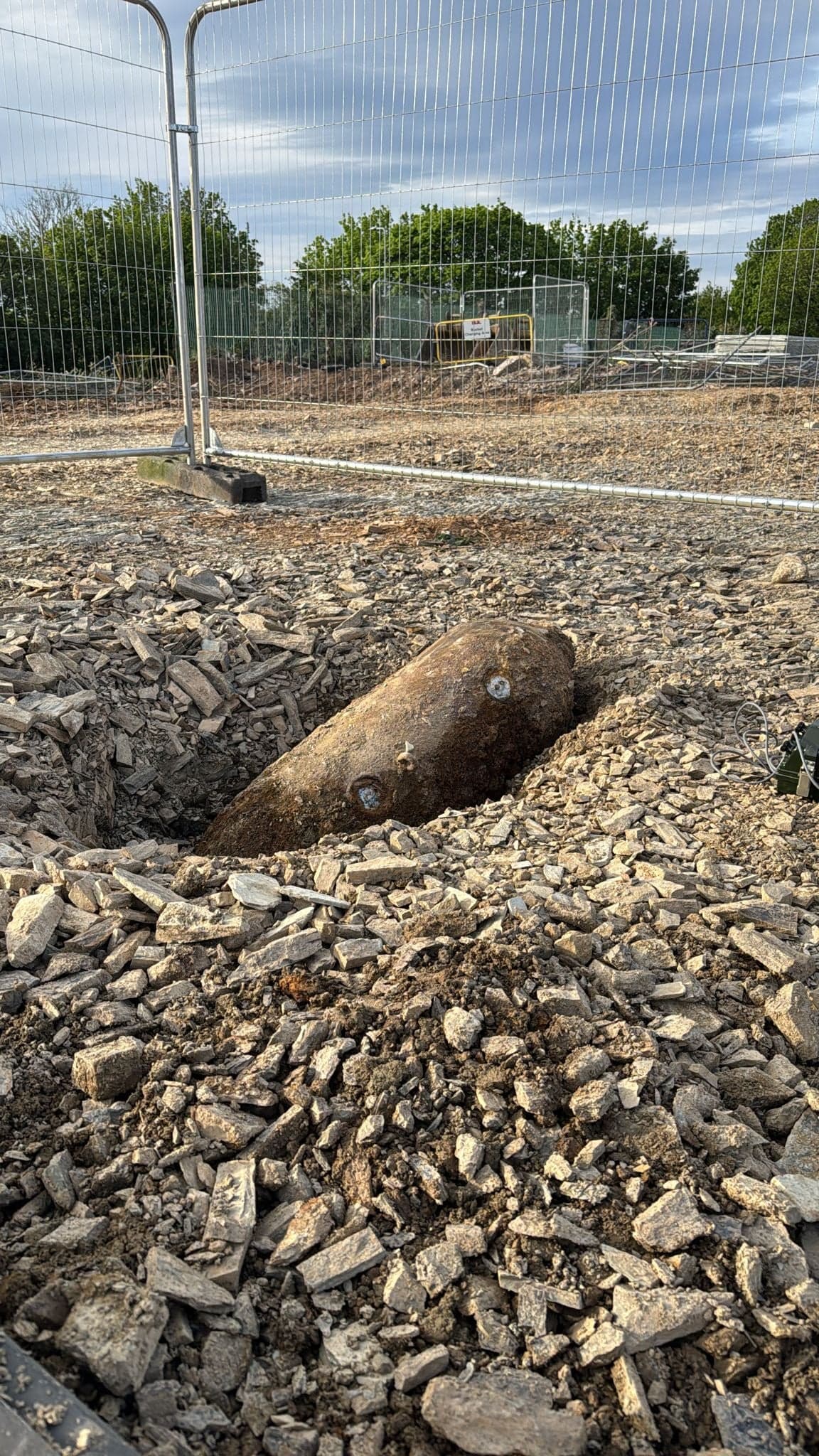
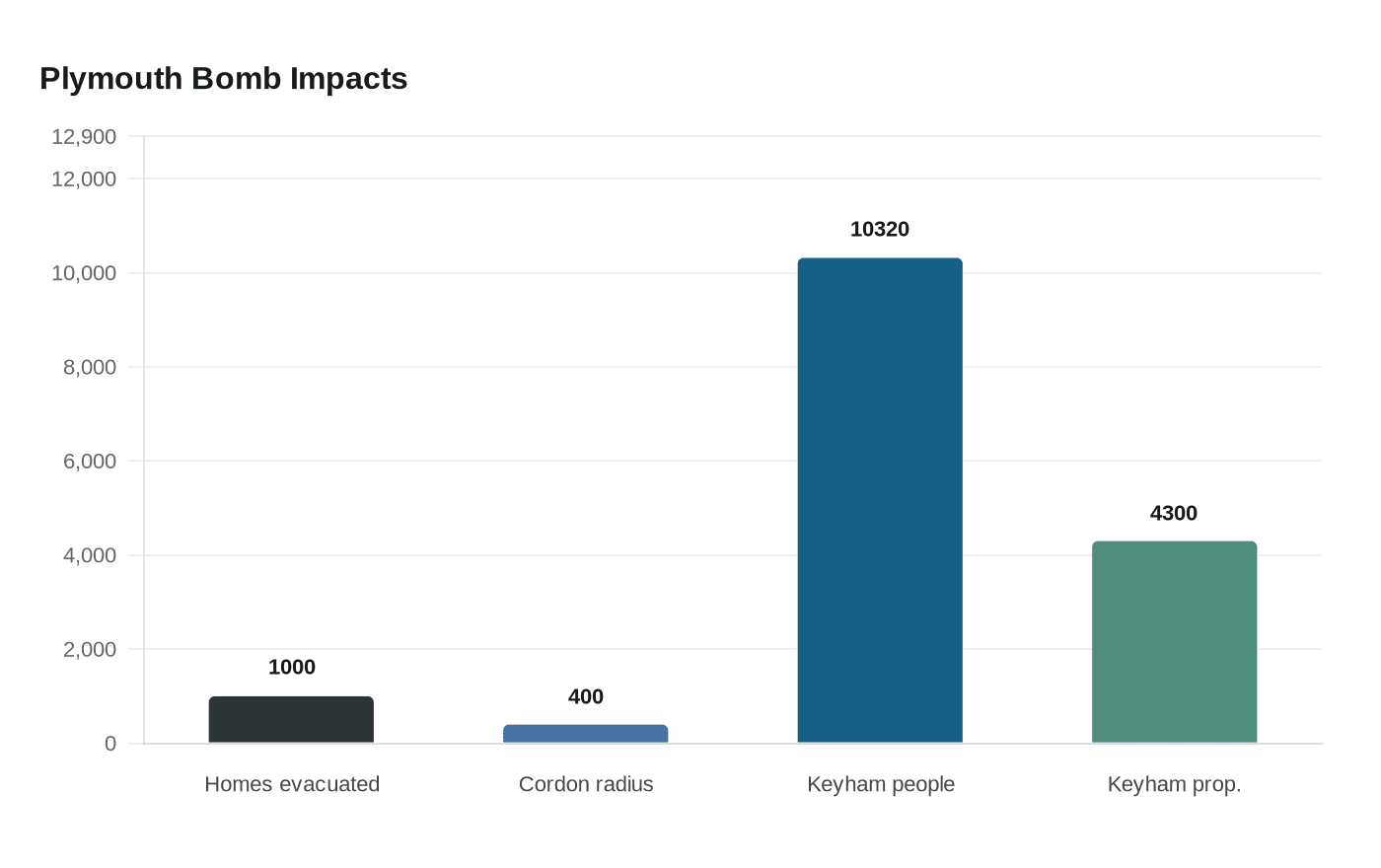
More than 1,000 homes in Plymouth were evacuated after construction workers uncovered a 250kg German SC250 bomb on Flamborough Road in Southway, turning an ordinary building site into a military emergency and forcing a 400-metre cordon around the area.
Royal Navy and British Army ordnance specialists examined the device and concluded it could not be safely moved. Plymouth City Council said the only safe option was to make it safe in situ through a controlled detonation planned for the following day, once safety measures were in place. Specialists were also building a sand mitigation structure to reduce the force of the blast.
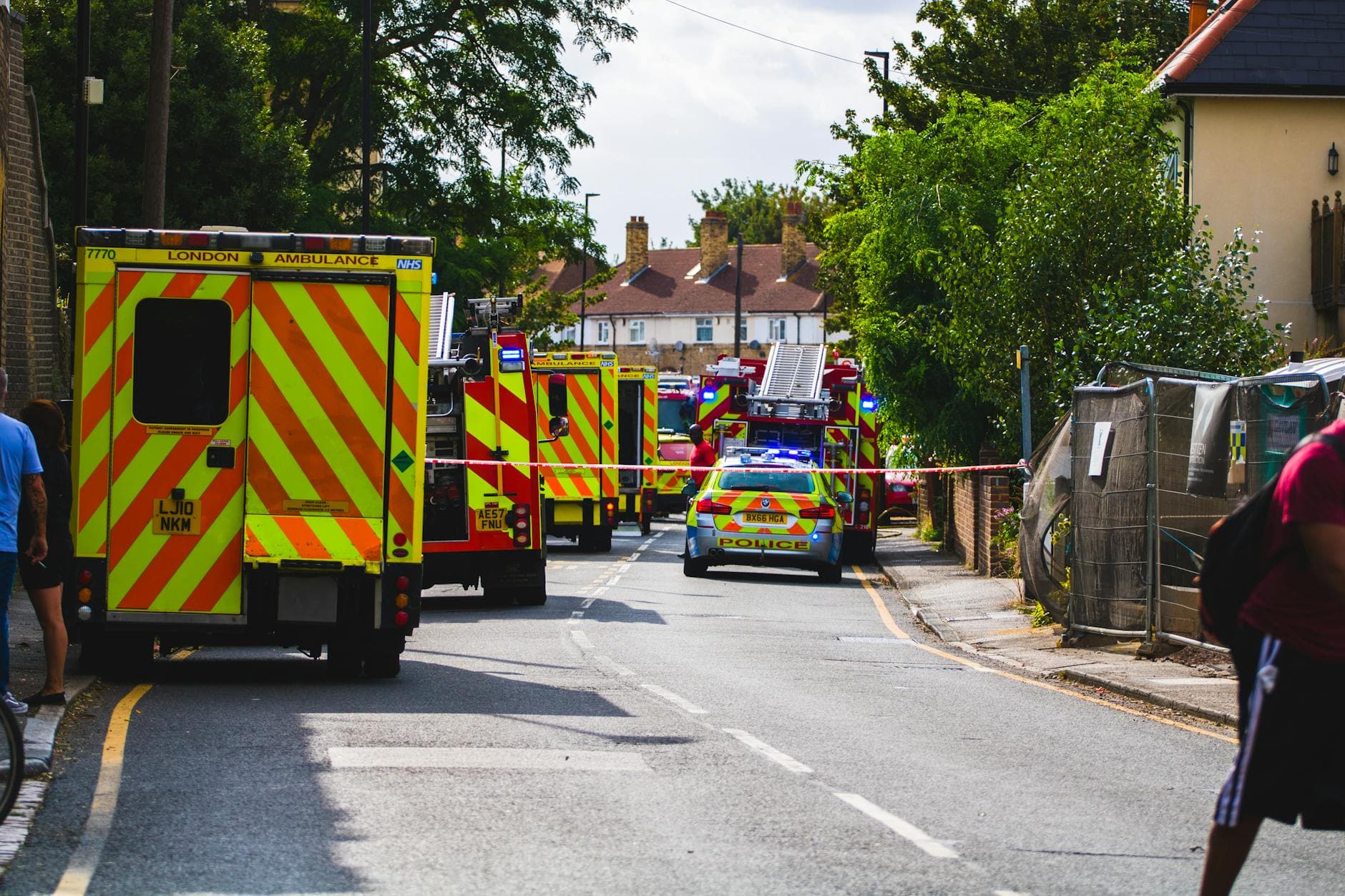
The response reached far beyond the immediate site. Schools were closed, traffic was disrupted and families had to leave homes with little warning as Devon and Cornwall Police, council staff and military personnel managed the exclusion zone. The evacuation was not only a public-safety operation but a reminder of how wartime debris still shapes the rhythm of daily life in a city where development can expose buried danger at any time.
Plymouth’s own wartime history shows why the risk remains so persistent. The city’s first air raid alert sounded at 12.45am on 30 June 1940, the first bombs fell on 6 July 1940 and Plymouth endured 59 bombing raids during World War II, when more than 1,000 high explosives fell on the city. Decades later, those weapons continue to surface under roads, housing sites and civic infrastructure.
The latest evacuation follows another major Plymouth bomb response in February 2024, when a wartime device in Keyham led to one of the largest clearances of its kind since the Second World War. Plymouth City Council later said 10,320 people and 4,300 properties were inside that cordon before the bomb was removed and taken to sea for a controlled detonation. A separate Millbay incident followed the same basic pattern, with Royal Navy bomb disposal experts securing the device, transporting it in a military convoy and detonating it offshore.
For Plymouth, the challenge is not abstract history but present-day logistics: finding the bomb, clearing the streets, protecting schools and setting up the technical response fast enough to keep a modern city safe from a relic of total war.
This article was produced by Prism’s automated news system from verified source data, official records, and press releases, then run through automated quality and moderation checks before publishing. The system is built and supervised by the people who set the standards it runs under. Read our full AI policy.
Did this article answer your question?