Iran shipped $6 billion in oil during brief cease-fire
Iran moved about 20 tankers and roughly 70 million barrels to Asia before the truce collapsed, taking in about $6 billion as U.S. pressure briefly loosened.
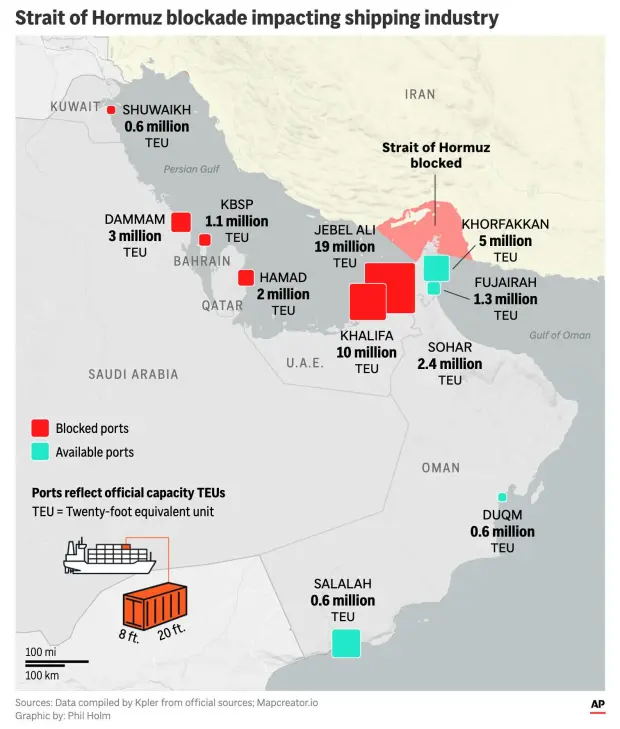
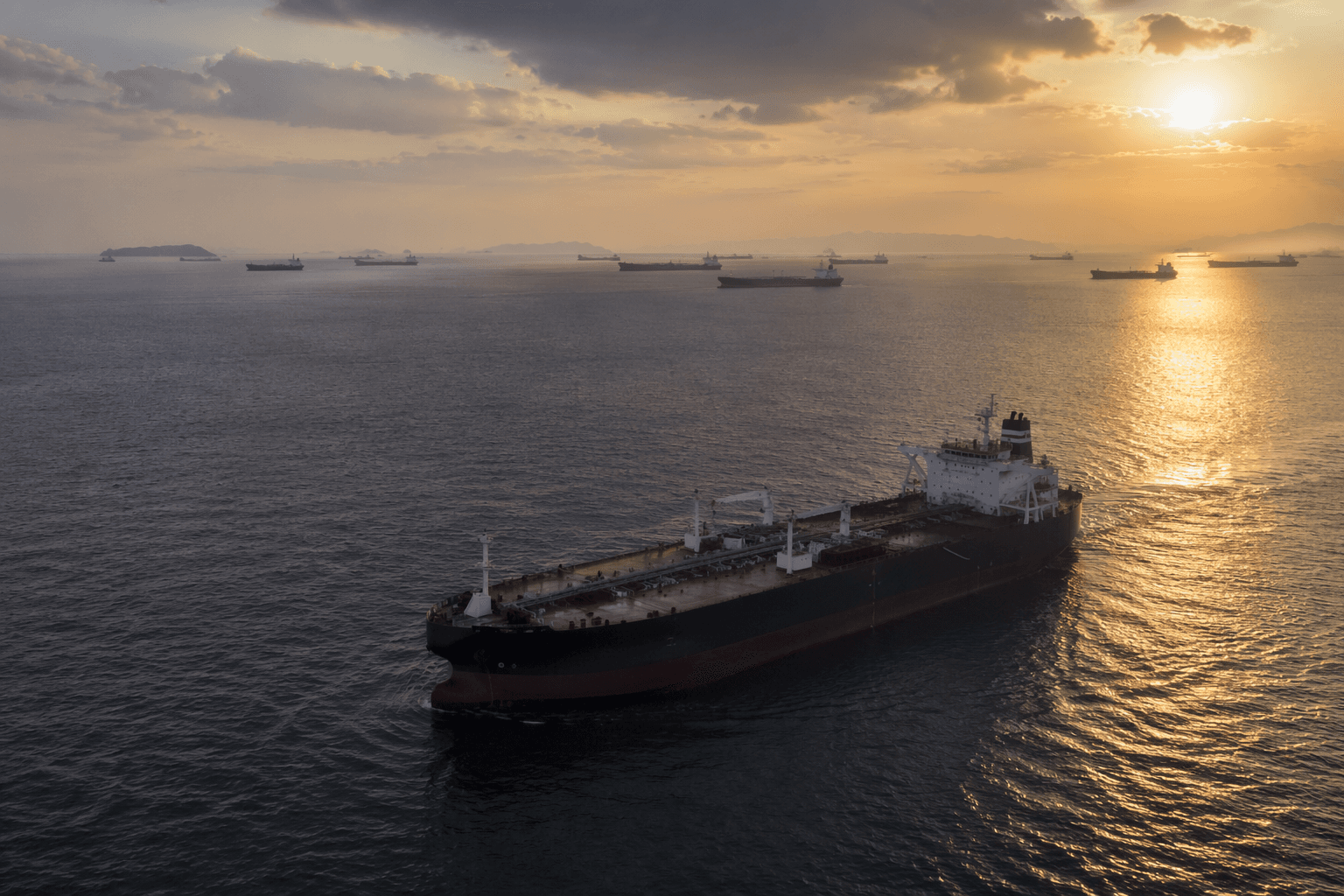
Iran moved quickly to cash in on a brief cease-fire with the United States, sending about 20 tankers with roughly 70 million barrels of oil to Asia and collecting cargo valued at about $6 billion before the truce collapsed.
The shipments followed the U.S. lifting its blockade in mid-June, opening a narrow window that Tehran used to push crude out at scale. A separate tally put Iran’s exports during the pause at at least 57 million barrels, underscoring how much oil moved while the fighting eased and how fast revenue could be converted when maritime pressure slipped.
Washington moved to shut that window again. The U.S. said it would restore its blockade on ships departing or entering Iranian ports and demand a 20% reimbursement on other cargo moved through the Strait of Hormuz, the chokepoint that carries a large share of global oil flows. The terms showed how sanctions enforcement and control of shipping lanes have become a direct tool of leverage, but the tankers already bound for Asia showed the limits of that pressure once traffic is underway.
The market reaction was immediate. Benchmark U.S. oil futures climbed 9.4% after President Donald Trump said he was reimposing the blockade on Iranian shipping through the Strait of Hormuz, as traders braced for renewed supply disruptions. Reuters linked the cease-fire breakdown to higher oil prices and fresh concerns that escalation around Hormuz could jolt shipments far beyond Iran’s own cargoes.
The result was a short-lived but lucrative opening for Iran and a reminder that oil flows can outrun diplomacy. Even under tightening U.S. pressure, Tehran was able to monetize a temporary lull, send its crude east to buyers in Asia, and turn a fragile cease-fire into a revenue surge before the blockade returned.
This article was produced by Prism’s automated news system from verified source data, official records, and press releases, then run through automated quality and moderation checks before publishing. The system is built and supervised by the people who set the standards it runs under. Read our full AI policy.
Did this article answer your question?