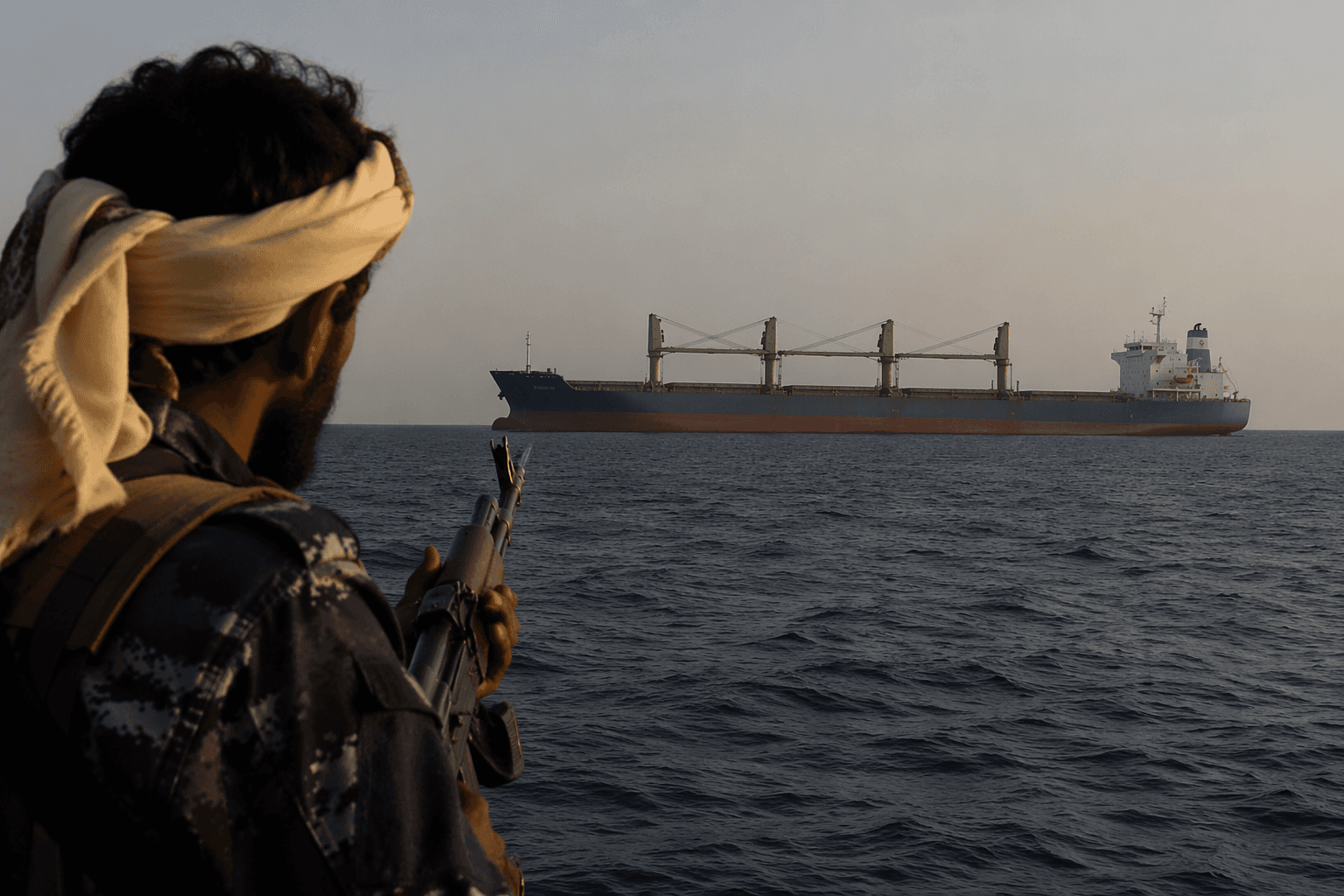
Iran signals resolve with attack on Israel, risking peace talks
Iran’s April barrage on Israel went far beyond damage. Tehran appeared to bet it could absorb retaliation, preserve its deterrent and keep pressure on diplomacy.
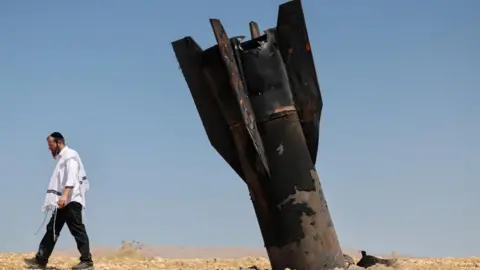
Iran’s launch of missiles and drones at Israel did more than widen a regional fight. It showed Tehran may be willing to gamble that its current mix of proxy power, domestic resilience and military reach can absorb retaliation without forcing it back to the margins of diplomacy.
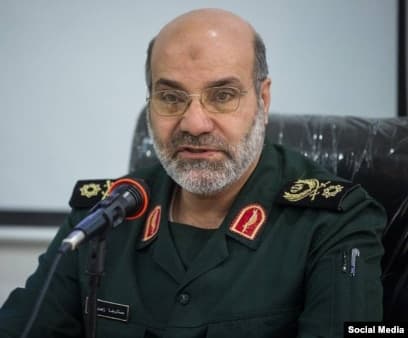
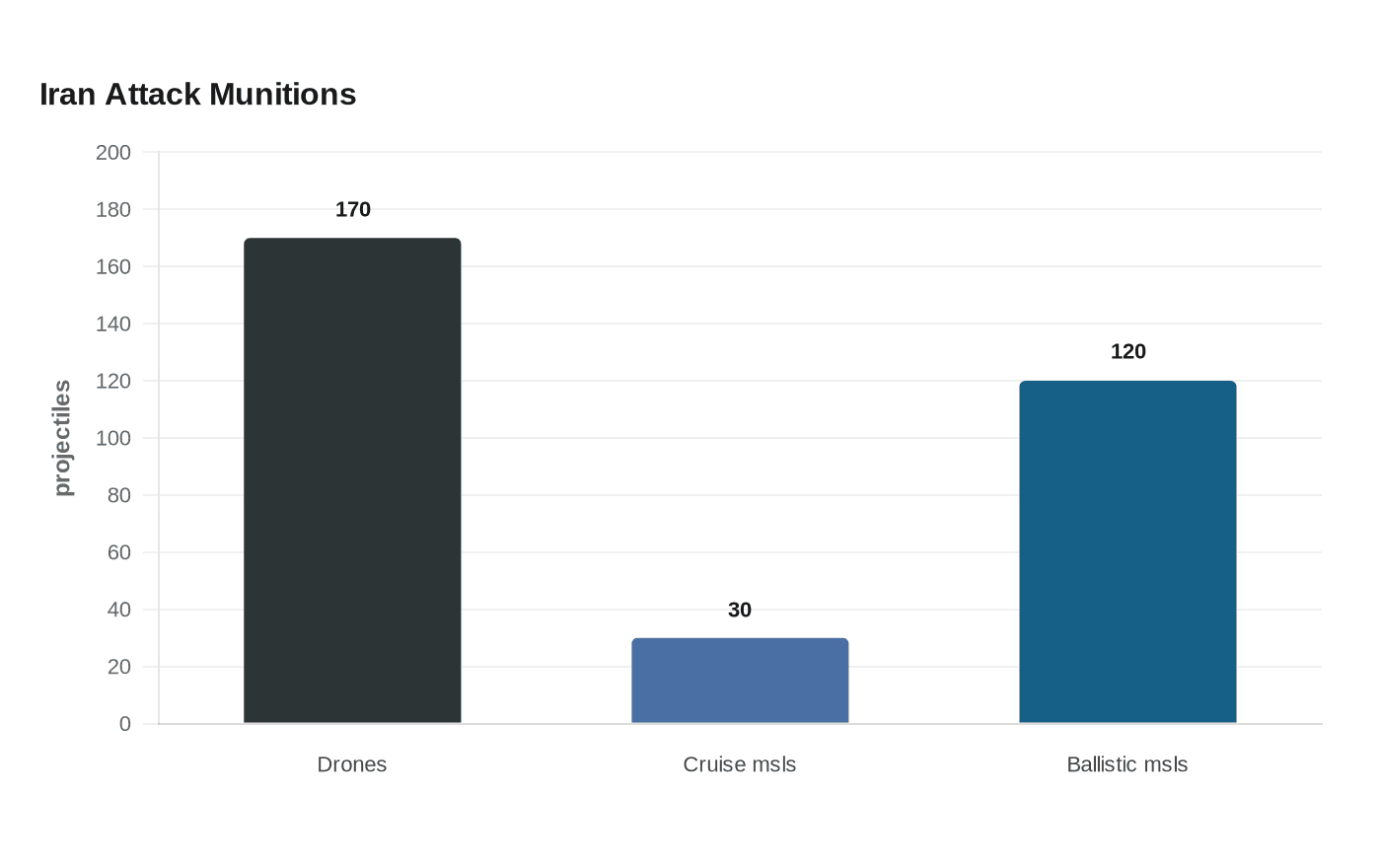
The April 2024 exchange marked Iran’s first direct attack on Israel since the Islamic Republic was established in 1979. It came after Israel struck the Iranian consulate complex in Damascus on 1 April and killed Brigadier General Mohammad Reza Zahedi, a senior commander in the Islamic Revolutionary Guard Corps. Iran’s response on 13 and 14 April was unprecedented in scale: the US Institute of Peace said Tehran fired 170 drones, at least 30 cruise missiles and more than 120 ballistic missiles, while the House of Commons Library put the total at more than 330 drones and missiles.
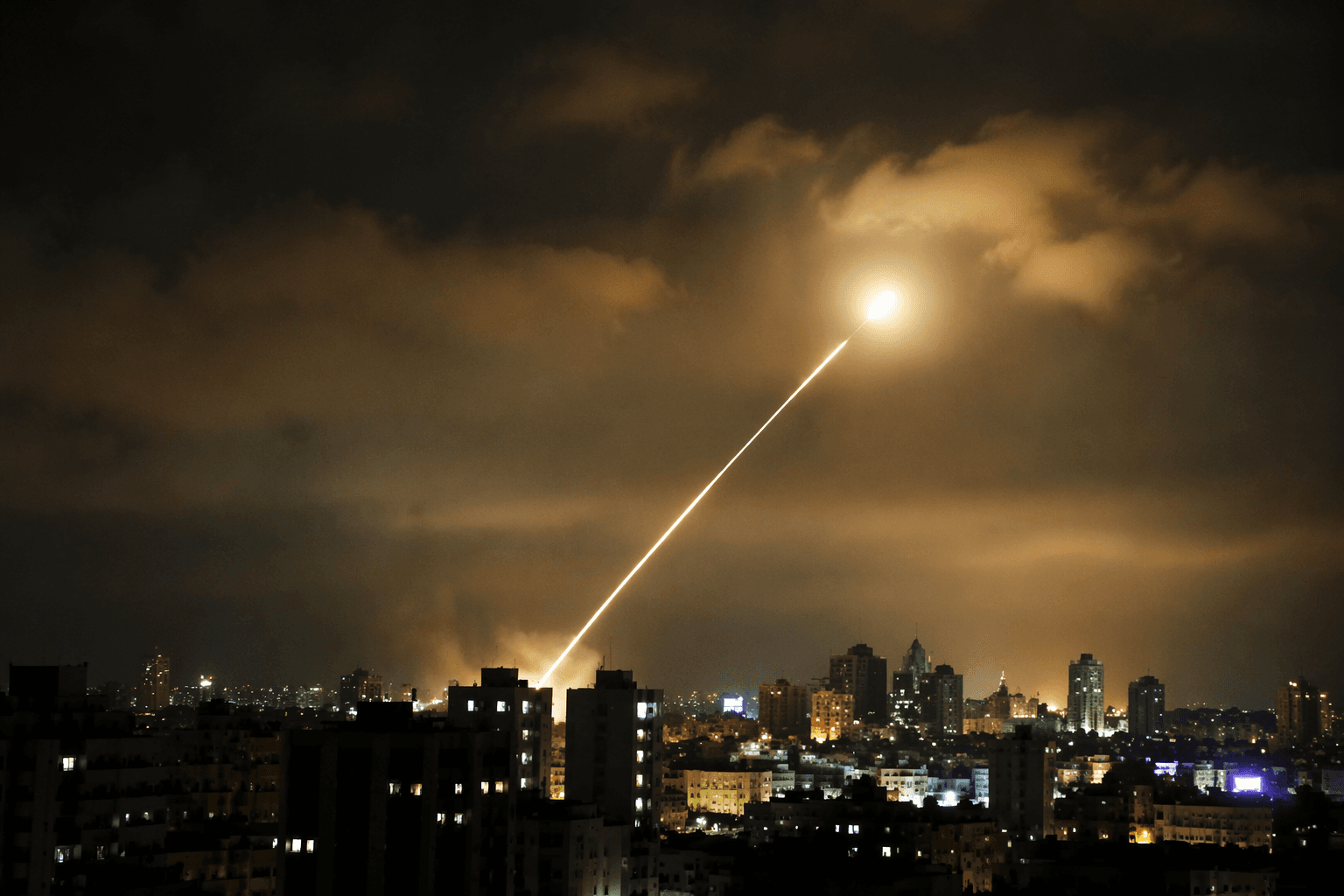
The military result was limited. Israel said about 99 percent of the projectiles were intercepted, and UK parliamentary material said one Israeli civilian was severely injured. The United States played a major role in helping defend Israel and later deployed additional warships and air defense systems. The UK, the US, European partners and the G7 condemned the attack and called for restraint.
What makes the episode strategically important is not the damage alone, but the signal Iran sent about its appetite for risk. Tehran appeared willing to carry the confrontation into direct conflict even with the possibility of complicating talks with Washington. That suggests Iranian leaders may believe they are in a stronger position than before, with enough deterrent cover from allies and enough domestic resilience to weather the fallout. In that reading, the attack was not only retaliation for Damascus; it was also a test of whether Israel and its partners could be pushed without forcing Tehran to retreat.
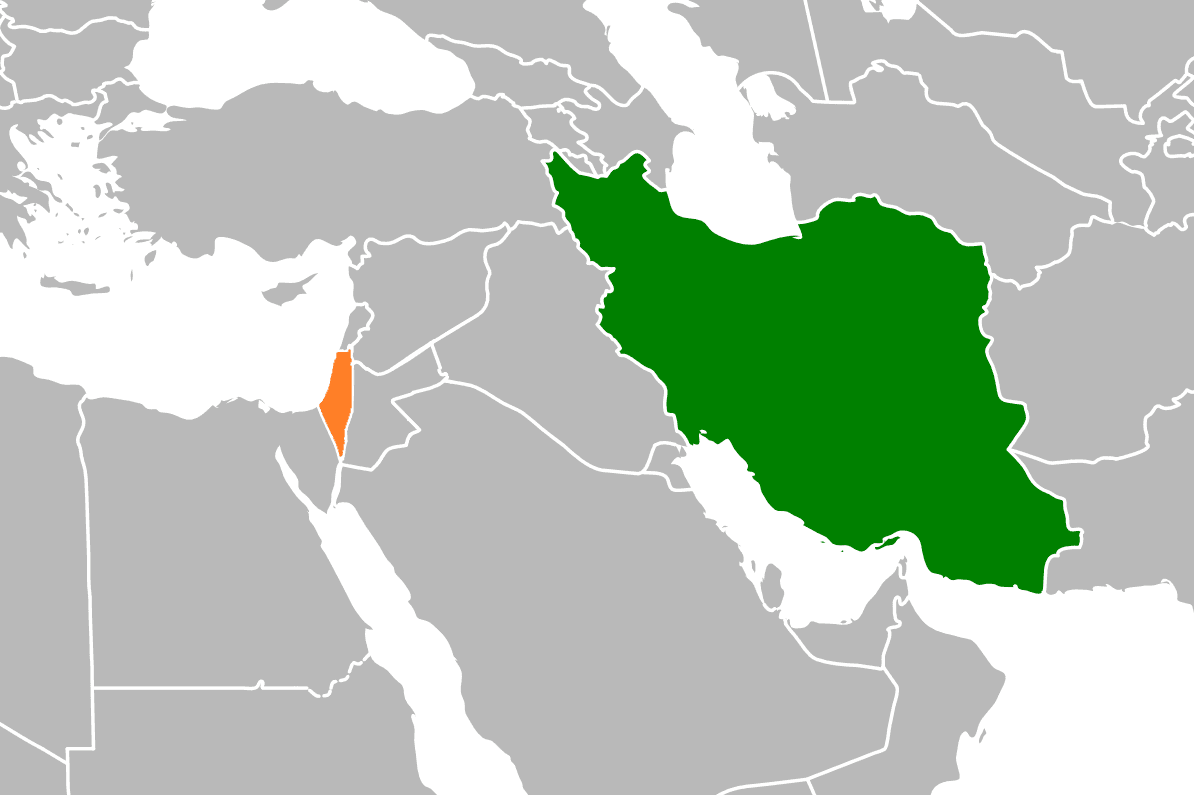
The wider conflict has been building since Hamas’s 7 October 2023 assault on Israel, which triggered attacks by Iran-backed groups on Israeli and US targets across the Middle East. The fighting then moved from shadow warfare to open confrontation between Iran and Israel. For Benjamin Netanyahu, Joe Biden and regional leaders, the central question is whether Iran now believes escalation is manageable, and whether that belief makes diplomacy more fragile even as deterrence is put to the test.
This article was produced by Prism’s automated news system from verified source data, official records, and press releases, then run through automated quality and moderation checks before publishing. The system is built and supervised by the people who set the standards it runs under. Read our full AI policy.
Know something we missed? Have a correction or additional information?
Submit a Tip