Iran strikes Bahrain as Strait of Hormuz attacks escalate tensions
A drone strike on Bahrain and fresh fighting in the Strait of Hormuz pushed the Gulf closer to a wider war, with U.S. strikes and maritime route changes adding pressure.
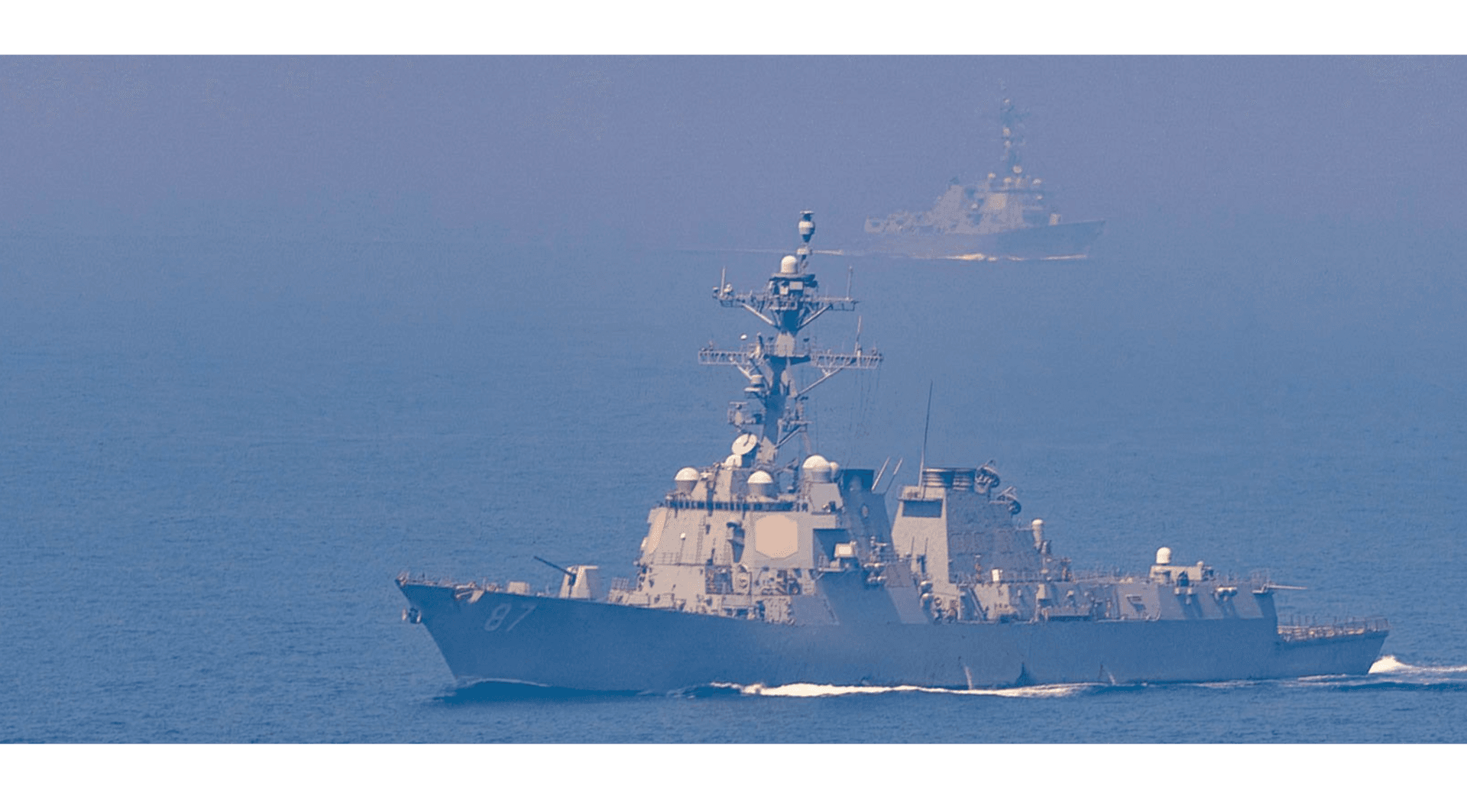
Iran’s drone strike on Bahrain and a separate attack on a ship in the Strait of Hormuz sharpened fears that the conflict could spill across the Gulf, where one hit now is quickly answered by another. The latest violence came after overnight U.S. airstrikes and deepened the cycle of retaliation that has kept shipping, energy markets and regional diplomacy on edge.
The U.S. military struck 10 Iranian military targets after the attack on a merchant vessel in the strait, hitting surveillance infrastructure, communication systems, air defense sites, drone storage facilities and minelayer capabilities. Iran’s Revolutionary Guard then said it had targeted several locations of the “U.S. terrorist army” in the region, without naming the sites. The sequence underscored how each side is framing its moves as defensive while the risk of miscalculation rises around one of the world’s most sensitive chokepoints.
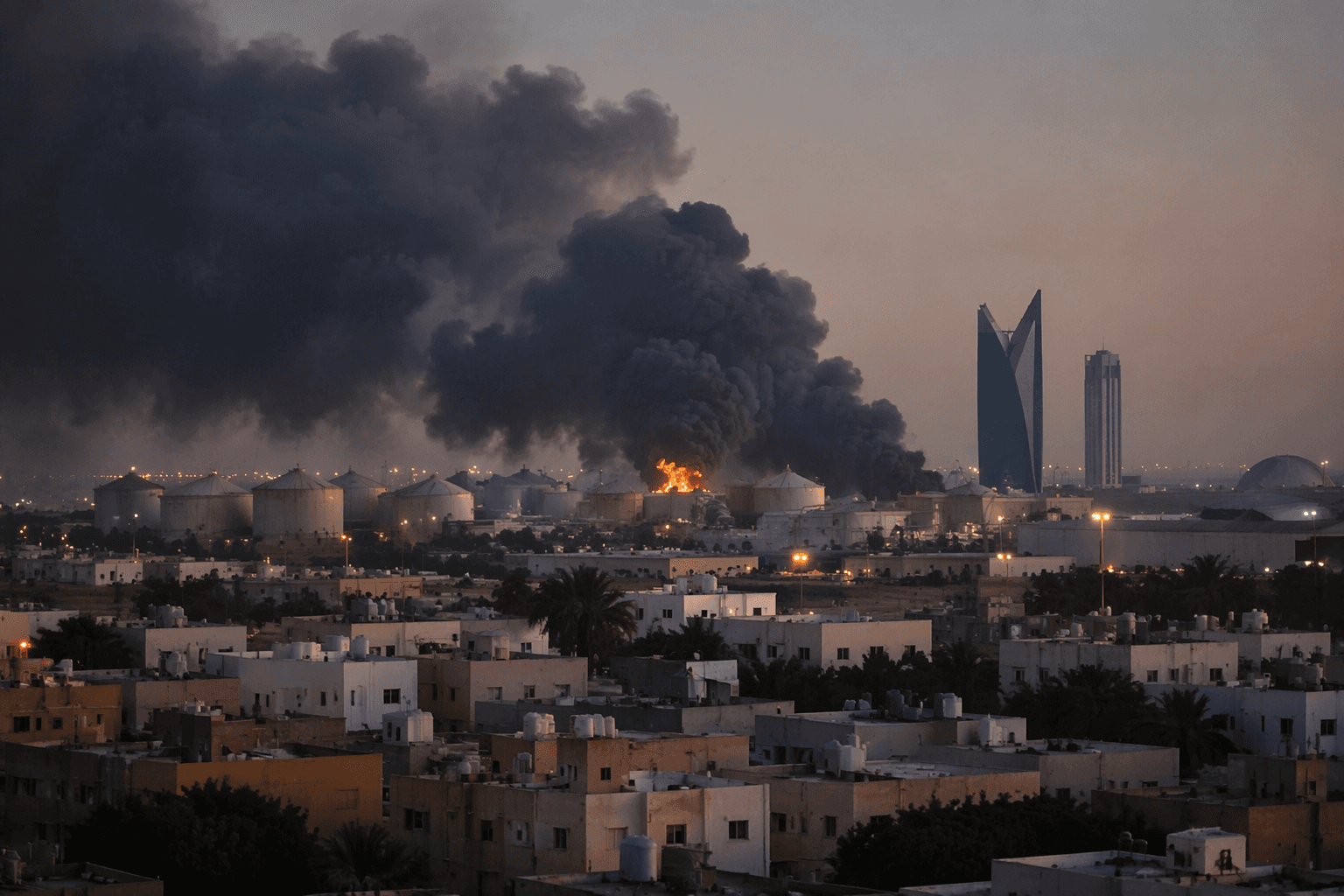
Bahrain’s Foreign Ministry said the drone attack was a flagrant violation of sovereignty and a clear threat to the security of citizens and residents. The kingdom’s role adds to the stakes: Bahrain hosts the U.S. Navy’s 5th Fleet, making any strike there more than a symbolic escalation. A direct hit on Bahraini territory raises the prospect that the fight is no longer contained to isolated maritime incidents but is edging toward the core U.S. military posture in the Gulf.
At the same time, Oman and Iran agreed on June 23 to continue talks on the future administration of navigation in the Strait of Hormuz, including maritime services and related costs. Oman later designated two temporary routes, one north and one south of the existing shipping lane, in coordination with the International Maritime Organization, and said no tolls would be charged. The route changes were meant to keep traffic moving, but they also created a new political flashpoint if Tehran objects to who is managing passage through the strait.
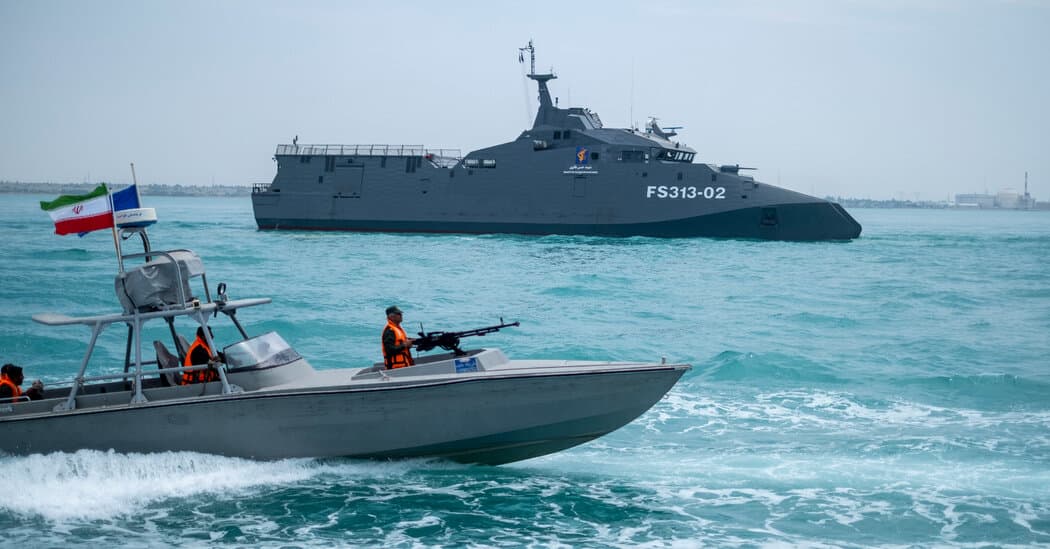
That leaves the Gulf on a narrow path between de-escalation and wider war. The fragile ceasefire and interim deal that were supposed to cool the conflict are being tested by repeated tit-for-tat attacks, while the Strait of Hormuz remains the pressure point where a maritime incident can turn into a regional crisis within hours.
This article was produced by Prism’s automated news system from verified source data, official records, and press releases, then run through automated quality and moderation checks before publishing. The system is built and supervised by the people who set the standards it runs under. Read our full AI policy.
Know something we missed? Have a correction or additional information?
Submit a Tip