Iran strikes stall Strait of Hormuz shipping, 150 tankers anchor offshore
Iran’s retaliation after U.S.-Israeli strikes halted transits through the Strait of Hormuz, forcing at least 150 tankers to anchor and prompting suspensions that threaten major global energy flows.
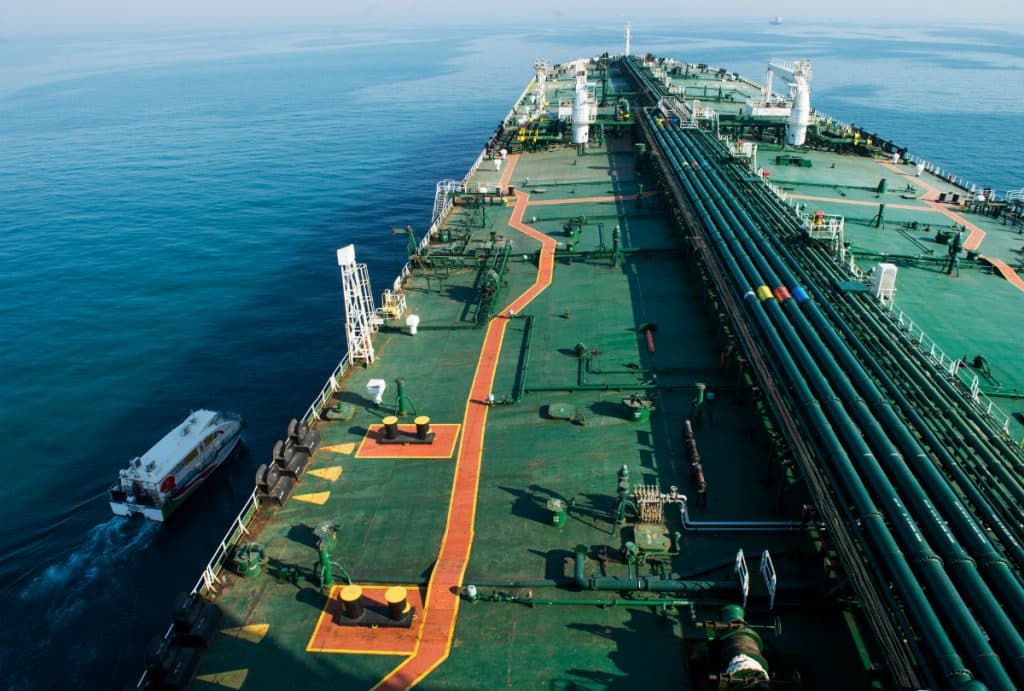
Iran’s retaliatory strikes after U.S. and Israeli attacks over the weekend have disrupted shipping through the Strait of Hormuz, forcing at least 150 crude and LNG tankers to drop anchor in open Gulf waters and prompting some oil majors and trading houses to suspend shipments through the chokepoint.
Ship-tracking data from MarineTraffic show the anchored vessels clustered in waters off Iraq, Saudi Arabia and Qatar, with dozens more stationary on the other side of the strait. Operators told trading desks they would delay transits; one top executive at a major trading desk said, "Our ships will stay put for several days." The U.S. Navy declared a maritime warning zone across parts of the Persian Gulf, and the U.K. Maritime Trade Operations reported it was aware of "significant military activity" and had "received a report of an incident two nautical miles north of Oman’s Kumzar."
The strait is a narrowly confined route linking the Persian Gulf to the Gulf of Oman and is central to global energy logistics. Estimates cited in assessments place the share of world oil and gas passing through the waterway at roughly one-fifth of global oil, with some analyses putting the wider oil and gas share in a 20 to 30 percent range; a maritime report also flagged exposure measured as an absolute flow of roughly 21 million barrels a day. The U.S. Energy Information Administration data for 2024 show most crude and LNG transiting the strait head to Asian markets, with about 84 percent of crude and condensate and 83 percent of LNG bound for Asia and China, India, Japan and South Korea together accounting for roughly 69 percent of crude flows through the channel.
Industry reactions were swift. Several oil majors and top trading houses suspended shipments via the strait as operators reassessed security risks. Oslo-listed DNO temporarily shut down oil production in the Kurdistan region of Iraq as a precaution. Analysts warned of immediate price pressure and disruption to related supply chains, noting that tankers also carry chemicals and fertilizers that affect agriculture and food markets. Florence Schmit, an energy strategist at Rabobank, warned that if Qatar "is unable to export cargoes because of infrastructure damage or shipping impairments, the effect on global gas prices would be dramatic."
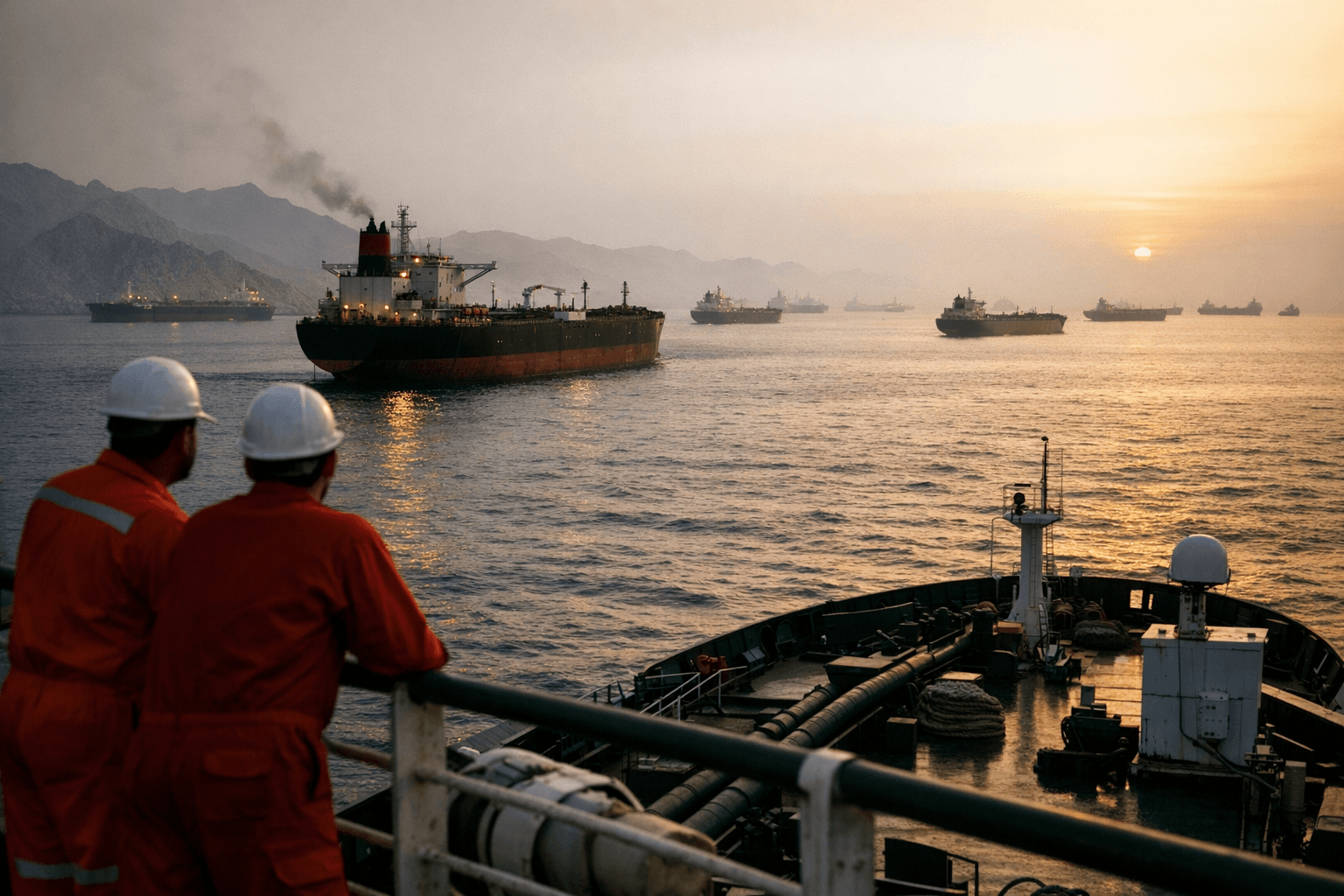
Iranian military-affiliated media cautioned vessels to avoid the area, saying that "passage through the strait is currently unsafe." U.S. officials, while acknowledging elevated military activity, said there was "no evidence Iran was attempting a military blockade of the strait." The contrast between the Iranian warning and U.S. assessments underscores the operational uncertainty that has pushed commercial operators to delay movements.
Markets moved to reflect the risk over the weekend, with investors seeking safe-haven assets and exchanges and weekend trading showing elevated activity in gold and silver. OPEC and producer responses are being watched: an OPEC+ adjustment to output was agreed at a recent meeting to add barrels in April, but analysts note limited spare capacity outside a few producers and that additional output cannot substitute for exports halted by navigation disruptions.
A reported attack on a tanker in the strait on Sunday remains under verification; authorities have not confirmed vessel identity, damage or casualties. Maritime authorities, ship owners and energy agencies are continuing to monitor transit patterns, re-routing options and the duration of the suspensions, which will determine how quickly normal navigation and exports can resume.
This article was produced by Prism’s automated news system from verified source data, official records, and press releases, then run through automated quality and moderation checks before publishing. The system is built and supervised by the people who set the standards it runs under. Read our full AI policy.
Did this article answer your question?