Iran strikes U.S. and Israeli targets, analysts warn broader war
Iran launched retaliatory strikes today against U.S. and Israeli targets, raising the prospect of direct conflict and regional escalation with broad policy and political implications.
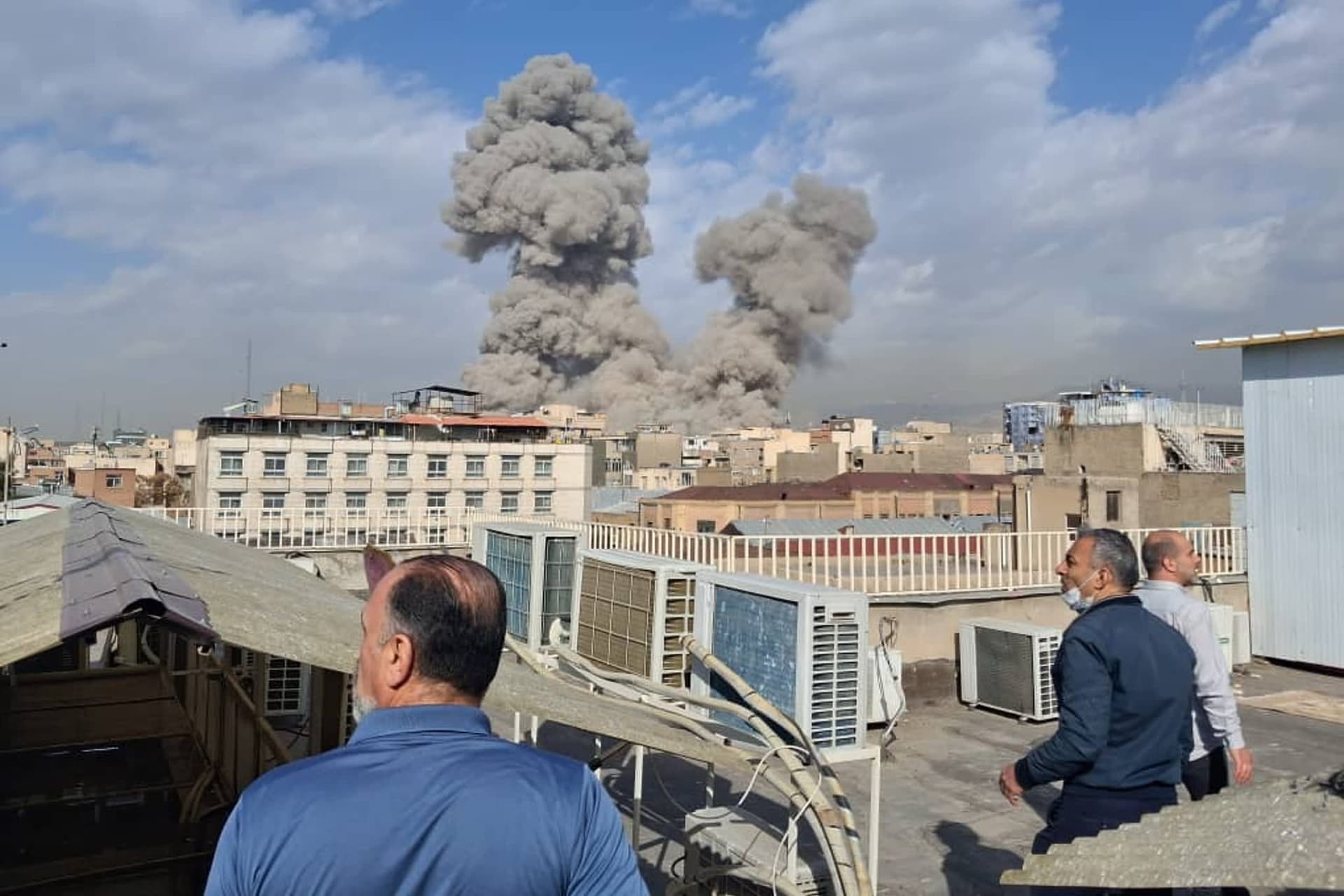
Iran launched retaliatory strikes on U.S. and Israeli targets today, intensifying a months-long shadow campaign and elevating the risk of a wider regional war that could draw in U.S. forces, allied militaries, and Iran-backed militias. The strikes followed earlier U.S.-Israeli operations in the region and mark a significant escalation whose full scope and toll remain under assessment.
Initial reporting on the strikes has been limited and often fragmented, with officials in Washington and Jerusalem describing a range of incidents across air, sea and cyber domains. Damage and casualty figures have not been independently verified. U.S. forces reported heightened alert levels across the Middle East and ordered protective measures for bases and naval assets operating in key maritime chokepoints.
Jay Solomon and Aaron McLean, a national security and defense fellow at the Hudson Institute, outline several worst-case scenarios that policymakers now face. The first is rapid kinetic escalation: a cycle of strikes and reprisals that moves from remote targeting to direct attacks on fixed U.S. bases in the region, producing American casualties and prompting a large-scale U.S. military response. A second scenario involves expanded proxy warfare, with Iran directing militia networks in Iraq, Syria, Lebanon, and Yemen to attack Western and allied facilities, creating diffuse threats that strain intelligence and force posture.
A third set of risks centers on commercial disruption and economic knock-on effects. Attacks on commercial shipping in the Persian Gulf or Red Sea, sustained missile and drone barrages against port infrastructure, or cyber operations targeting energy firms could spike insurance costs, raise fuel prices and imperil global supply chains. Analysts also warn of a hybrid battlefield in cyberspace, where disruption of financial systems, communications and utilities could produce sharp domestic impacts far from the front lines.
Institutionally, the confrontation exposes key challenges for U.S. governance and allied coordination. Military planners must balance deterrence with de-escalation to avoid unintended escalation, while the executive branch faces legal and political constraints under the War Powers framework. Congress is likely to see immediate pressure to demand briefings, consider authorization or limitation measures and assert oversight over any expanded use of force. Those debates will unfold against the backdrop of the 2026 election year, increasing political sensitivity for both parties.
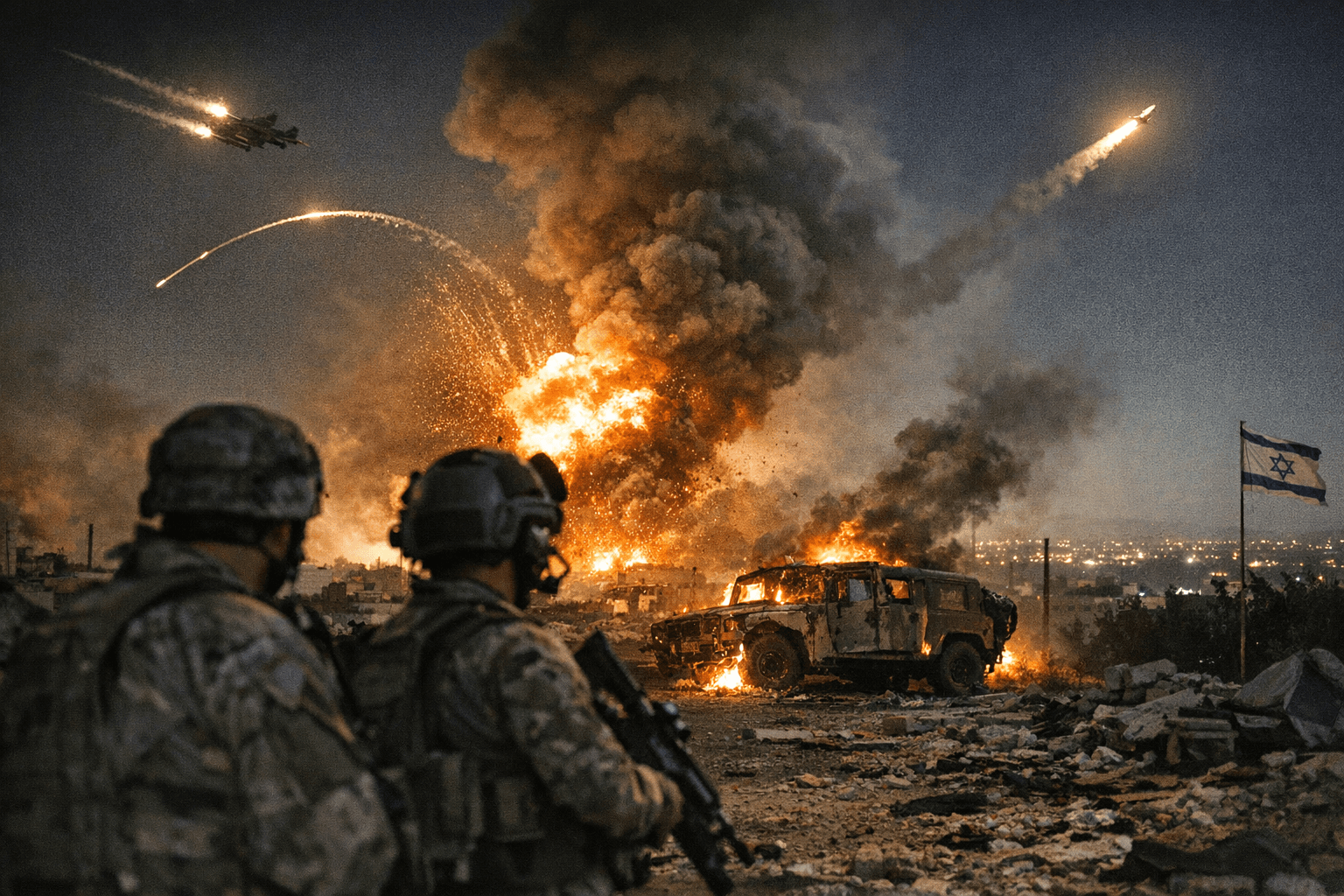
Operationally, U.S. regional commanders will rely on integrated missile defense, carrier strike groups and forward airpower to protect forces and allies, while intelligence sharing with Israel and regional partners will shape targeting and attribution. The complexity of attributing cyber and proxy attacks increases the risk of miscalculation, analysts say, because ambiguous strikes can be mistaken for larger campaigns.
For citizens, the immediate consequences could include higher energy costs, disrupted commerce and a renewed public debate over the limits of U.S. military engagement abroad. Lawmakers, voters and local officials will need clear, timely information to weigh authorization of force, appropriations for defense posture changes and steps to protect civilian infrastructure.
Many details of today’s strikes remain fluid. Officials and analysts caution that the coming days will determine whether the confrontation settles into limited reprisals and diplomatic de-escalation or evolves into sustained, multi-domain conflict with lasting regional and domestic consequences.
Know something we missed? Have a correction or additional information?
Submit a Tip

