Iran suspends talks with US, threatens Strait of Hormuz response
Tehran suspended indirect U.S. talks and warned it could move against the Strait of Hormuz as fighting in Lebanon deepened. Oil flows, tanker traffic and ceasefire diplomacy all came under pressure.
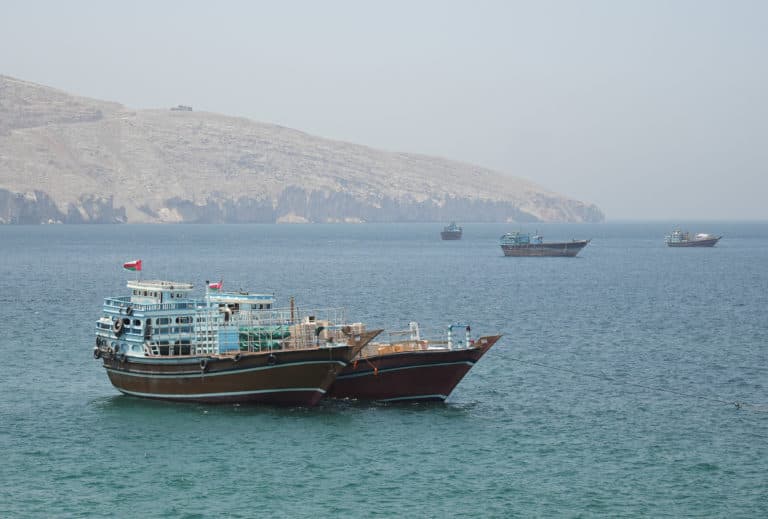
Iran’s move to suspend indirect talks with the United States sharpened a conflict that is no longer confined to diplomacy. Tehran signaled that if Israel’s campaign in Lebanon widens, it could respond by blocking the Strait of Hormuz or opening new fronts, a threat that immediately raised the stakes for oil shipments, tanker traffic and the risk of a broader regional war.
Tasnim News Agency, which is affiliated with the Islamic Revolutionary Guard Corps, reported on June 1, 2026 that Iran was stopping exchanges of messages with the United States through mediators. CNBC cited that reporting as saying no dialogue would resume until Israel withdrew from occupied areas in Lebanon and halted attacks there and in Gaza. Reuters-sourced reporting said Iran’s foreign ministry also stated there were currently no talks with Washington over the nuclear issue.

The timing matters because the diplomatic breakdown tracked directly with the fighting in Lebanon. Separate reporting said Israel had intensified strikes on Beirut’s southern suburbs, including Dahiyeh, while pushing deeper into southern Lebanon. CBS News said Iran’s negotiating team was suspending peace talks over Israel’s war with Hezbollah and other perceived ceasefire violations, underscoring how quickly the Lebanon front has become the key variable in the U.S.-Iran track.
The economic implications are significant. The Strait of Hormuz carries a large share of the world’s seaborne oil trade, and Reuters-linked coverage said tanker traffic and oil flows around the waterway had already been affected. The World Bank has said conflict-related disruption there triggered the largest oil market shock in history, a reminder that even the threat of interference can ripple through crude prices, freight costs and marine insurance premiums far beyond the Gulf.
The humanitarian toll in Lebanon has also become a central part of the escalation calculus. Lebanon’s health ministry said the fighting had killed more than 3,000 people, including 292 women and 211 children, and displaced more than 1 million others. That scale of destruction makes any collapse in ceasefire diplomacy more dangerous, because each new round of strikes increases the chance of retaliatory moves that could pull in Iran, Hezbollah and Israel more directly.
The United Nations Security Council was holding, or preparing to hold, an emergency meeting on Lebanon at France’s request, reflecting widening concern that the conflict could spill beyond the current front. For Washington, Tehran, Jerusalem and the shipping markets watching Hormuz, the message was the same: the war’s next phase may be decided less by statements than by whether the Lebanese front keeps expanding.
This article was produced by Prism’s automated news system from verified source data, official records, and press releases, then run through automated quality and moderation checks before publishing. The system is built and supervised by the people who set the standards it runs under. Read our full AI policy.
Did this article answer your question?


