Iran threat to Strait of Hormuz sends oil above $80 and spikes freight
Iran's warning to Gulf shipping pushed Brent above $80 and supertanker charter rates past $400,000, rattling markets and prompting US energy policy meetings.
Ebrahim Jabbari, an adviser to the Commander-in-Chief of Iran's Islamic Revolutionary Guard Corps, warned on state television that ships "should not come to this region. They will certainly face a serious response from us," a statement that coincided with fresh attacks in the Strait of Hormuz and a new wave of market turbulence.
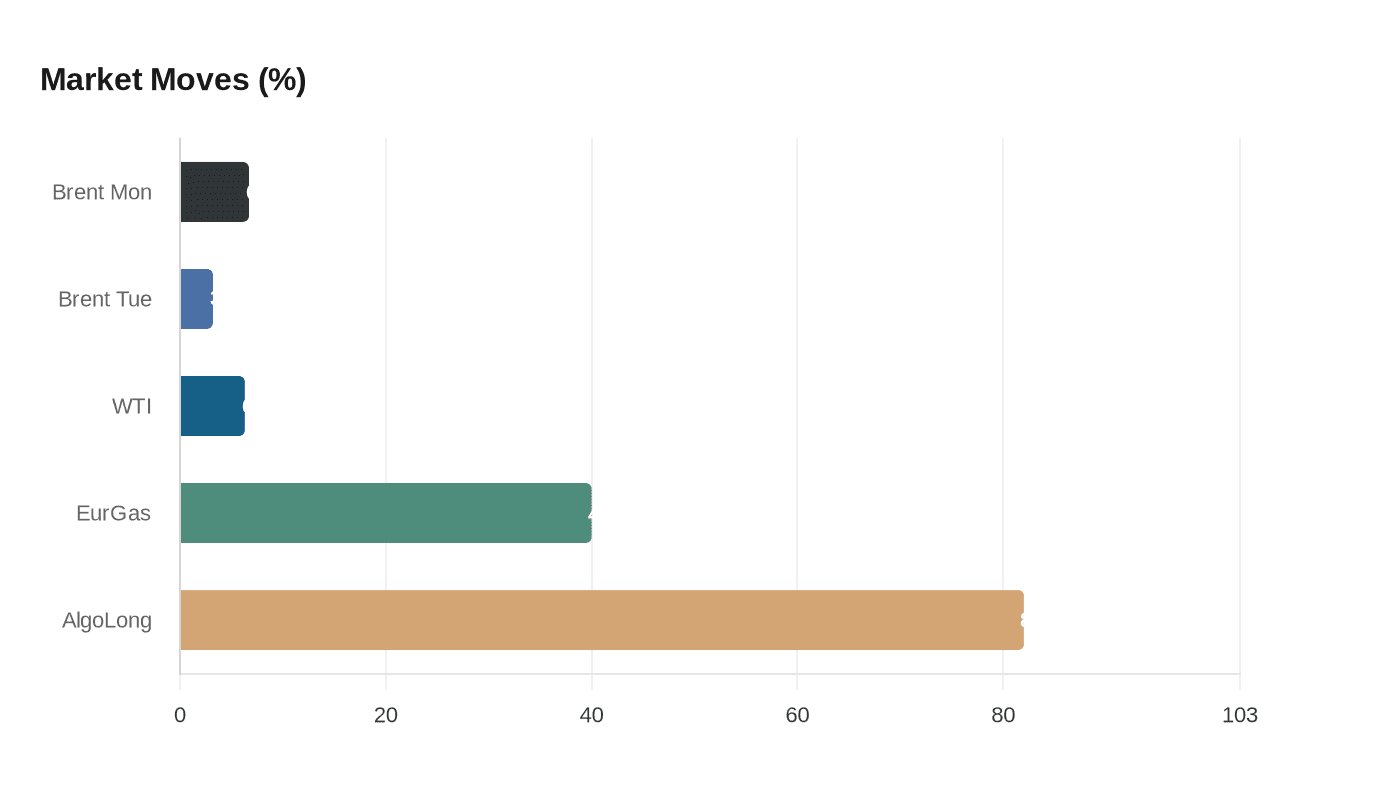
The immediate market reaction was large and broad. Brent for May settled in New York at $77.74 a barrel, up 6.7 percent on Monday from the prior session according to exchange settlement data, after earlier spiking as high as $82.37 intraday. In Asian trade on Tuesday Brent was around 3.2 percent higher at more than $80 a barrel, while a 0107 GMT snapshot put Brent at $78.83, up $1.10. US West Texas Intermediate settled near $71.23 for April delivery, up 6.3 percent at the New York close, with a separate intraday reading later at $71.97.
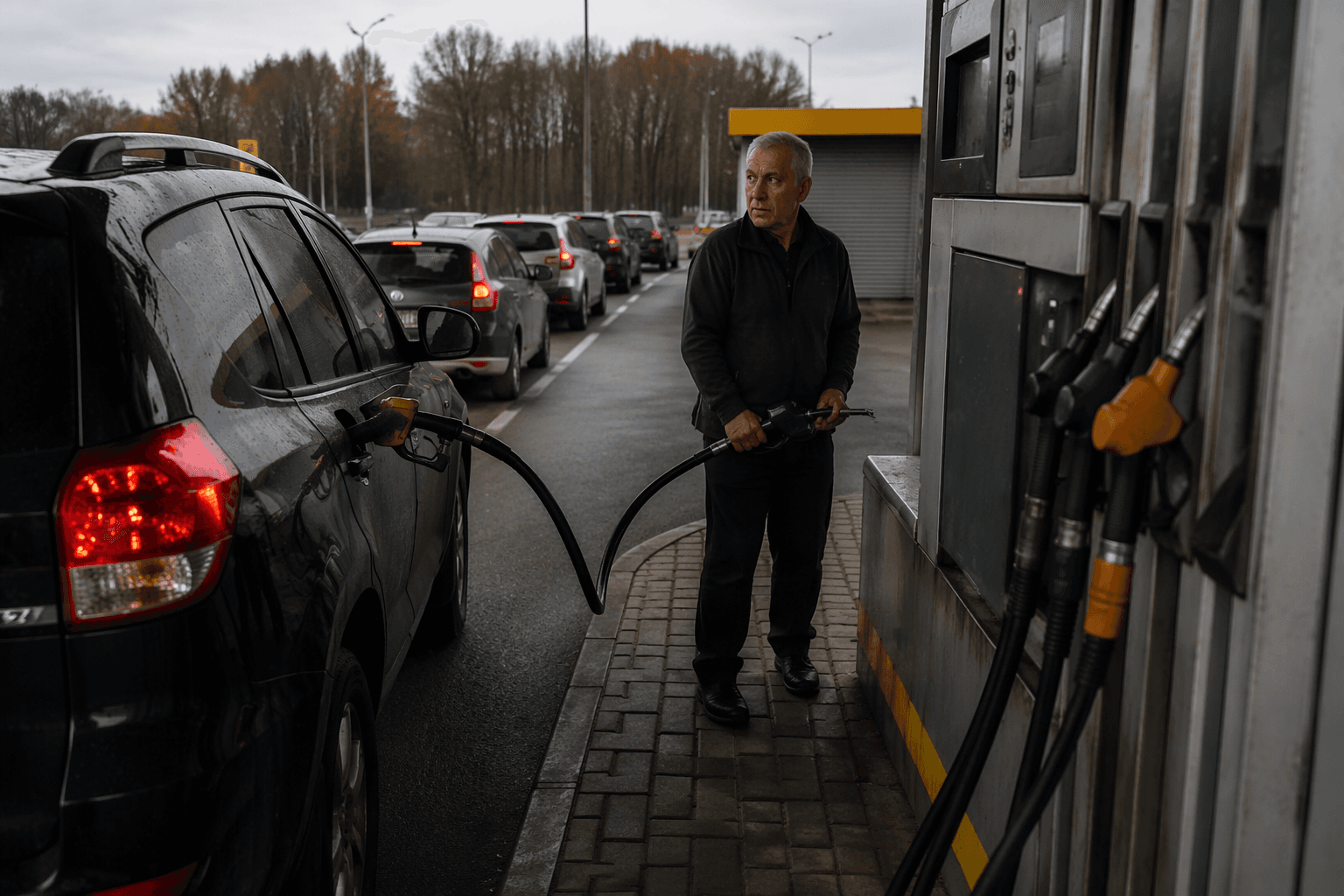
Physical markets showed equally stark moves. The cost of hiring a supertanker from the Middle East to China reached an all-time high of more than $400,000 on Monday, nearly double last week's level, according to data from the London Stock Exchange Group. Diesel futures settled at their highest level in nearly four years, and European natural gas jumped almost 40 percent after the world's largest liquefied natural gas export plant halted output following damage from regional strikes.
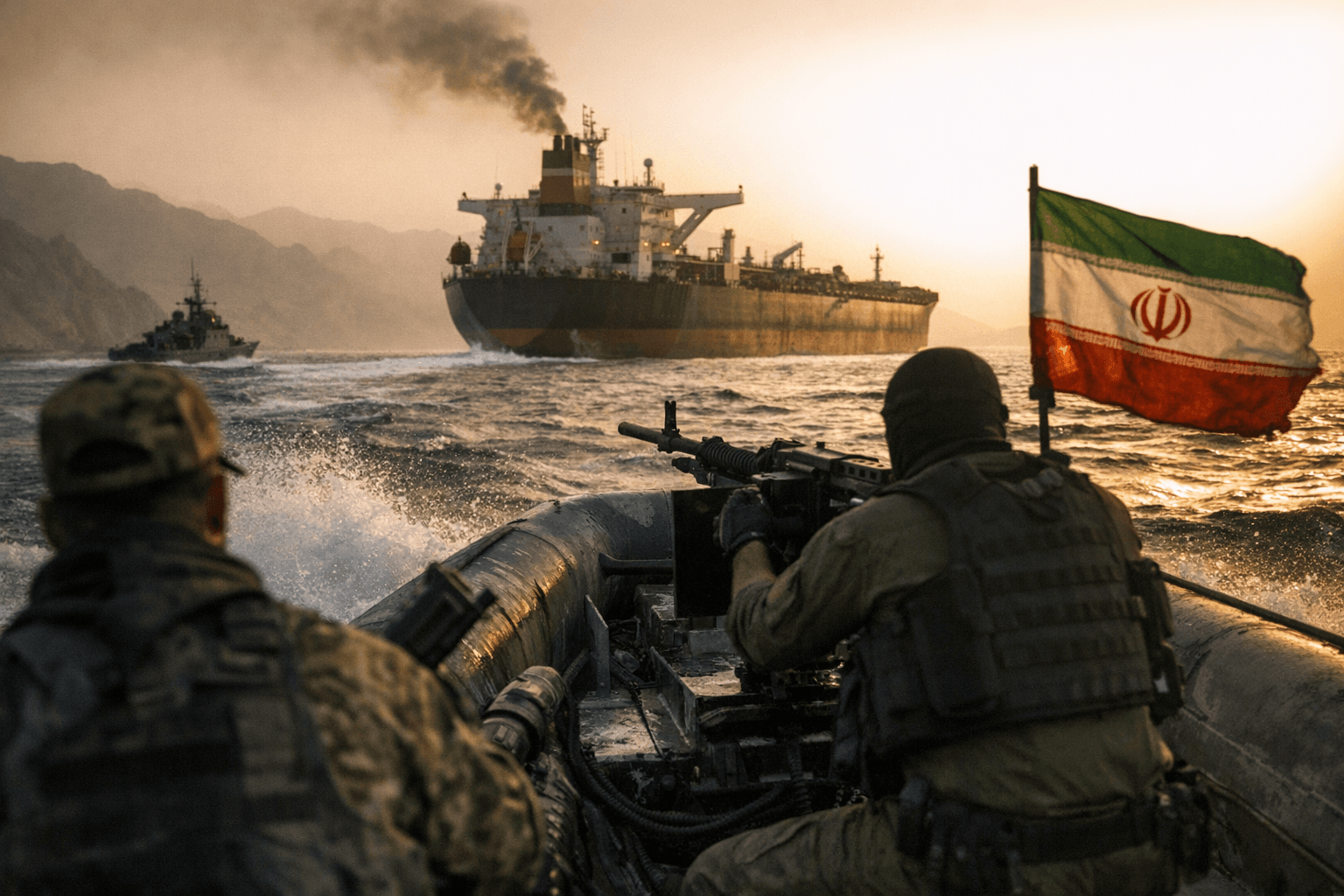
The supply shock traces to a cluster of incidents and explicit threats. Iranian forces have threatened to "set fire to anyone who tries to pass through" the Hormuz choke point, and Tehran warned it could effectively close the strait. Several vessels were struck in recent days: Iranian agencies reported the Honduran-flagged fuel tanker Athe Nova burning after drone hits in the strait, while other reporting said a US-flagged military fuel tanker was also struck. In one high-profile physical impact, people familiar with the matter said Saudi Aramco halted operations at its Ras Tanura refinery after a drone strike, although crude flows from the nearby port continued.
Trading dynamics amplified the price response. Algorithmic and commodity trading advisers have piled into long positions, with Bridgeton Research Group data showing algorithmic traders about 82 percent long in Brent and WTI, a positioning that market participants say magnifies swings. Brokers and banks adjusted forecasts: Morgan Stanley raised its second-quarter Brent forecast to $80 a barrel from $62.50, and Bernstein lifted its 2026 Brent assumption to $80 from $65 while warning of $120 to $150 in an extreme prolonged conflict.
Policy officials moved into crisis mode. President Donald Trump is scheduled to meet Treasury Secretary Scott Bessent and Energy Secretary Chris Wright to discuss rising energy costs, and Secretary of State Marco Rubio said Washington would "roll out those phases to try to mitigate against that" starting "tomorrow." The State Department has urged Americans to leave across much of the Middle East, heightening geopolitical risk.
Analysts warned the crisis could have lasting effects. "With no quick de-escalation in sight, the Strait of Hormuz effectively closed and Iran showing a willingness to target energy infrastructure in the region, upside risks remain and they grow the longer the conflict drags on," said Tony Sycamore of IG. Chris Weston of Pepperstone cautioned that Gulf storage, pipelines and tanker alternatives can blunt but not eliminate the shock if disruptions persist.
Markets are now balancing short-term logistical constraints and trader positioning against the prospect of a drawn-out campaign; with roughly 20 percent of the world's oil and gas transiting Hormuz, sustained unrest would translate into higher energy costs for consumers and further volatility for global markets.
This article was produced by Prism’s automated news system from verified source data, official records, and press releases, then run through automated quality and moderation checks before publishing. The system is built and supervised by the people who set the standards it runs under. Read our full AI policy.
Did this article answer your question?