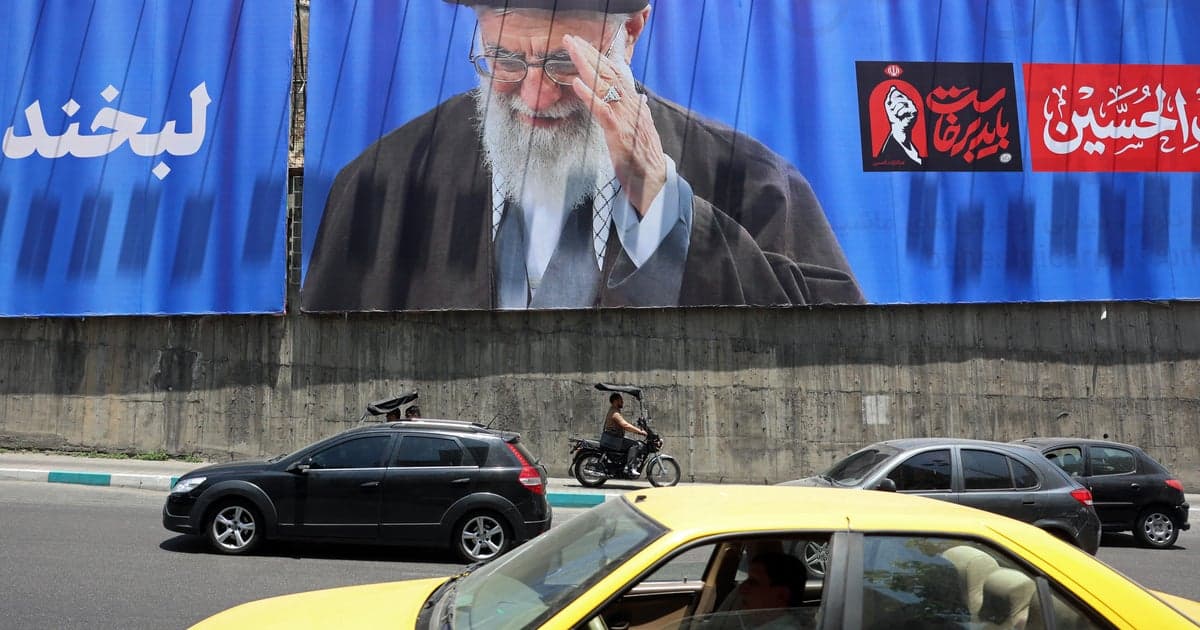
Iran Threatens U.S. Tech and Defense Firms in Middle East, Citing Retaliation
Iran's IRGC named 18 U.S. firms as targets with an 8 p.m. April 1 strike deadline, ordering a 1-kilometer evacuation radius around their regional offices.
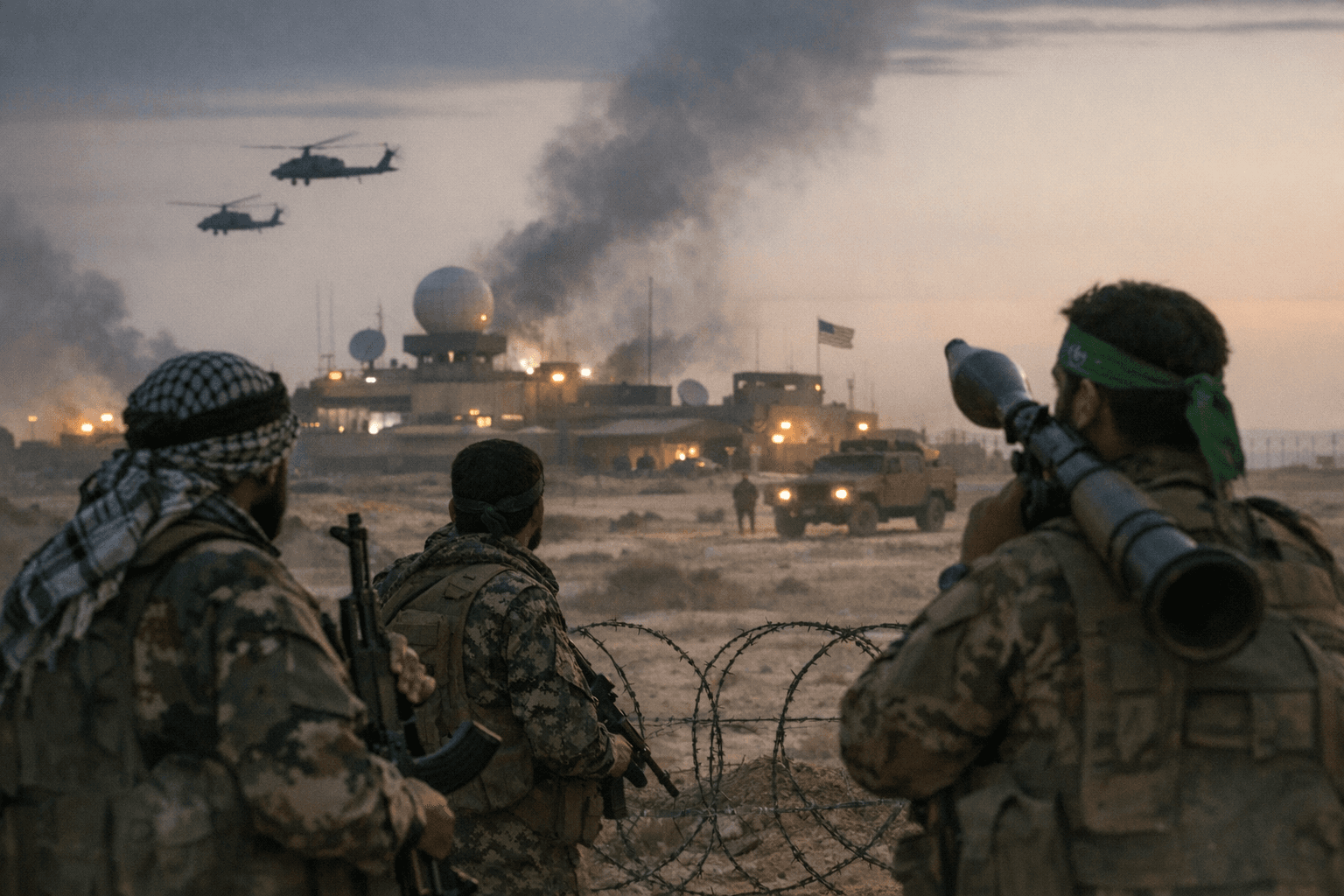
The Islamic Revolutionary Guard Corps put some of America's most consequential corporations on notice Tuesday, naming 18 technology, industrial and defense-linked companies as "legitimate targets" and setting a hard deadline of 8 p.m. Tehran time Wednesday for strikes to begin. The list covered an extraordinary cross-section of U.S. corporate power: Cisco, HP, Intel, Oracle, Microsoft, Apple, Google, Meta, IBM, Dell, Palantir, Nvidia, JPMorgan Chase, Tesla, General Electric, Boeing and Spire Solutions, alongside the UAE's AI heavyweight G42.
The IRGC published the threat through Sepah News, its official media organ, framing it as retaliation for what it called U.S. and Israeli assassinations of Iranian commanders. The corps accused all 18 firms of supplying artificial intelligence tools, cloud infrastructure and surveillance systems used to identify and kill Iranian military leadership, labeling them "terrorist spy corporations." "These companies should expect the destruction of their respective units in exchange for each terror act in Iran, starting from 8 p.m. Tehran time on Wednesday, April 1," the IRGC statement read. A second declaration cut even shorter: "For every assassination, a U.S. company will be destroyed."
Simultaneous with the threat, the corps ordered employees at each named firm to evacuate their workplaces immediately and urged civilians within one kilometer of affected facilities to relocate before the deadline. That perimeter, if observed, would empty portions of commercial districts across Gulf states where these companies operate data centers, regional offices and logistics hubs; Tesla alone has more than 30 Supercharger stations and multiple showrooms across the UAE, Saudi Arabia and Qatar.
The U.S. State Department responded Tuesday by issuing a shelter-in-place advisory for American citizens in Saudi Arabia, citing credible reports of threats against hotels, U.S. businesses and educational institutions. The advisory marked a notable escalation in the government's public posture, moving beyond standard caution language to an active directive. The White House separately emphasized military readiness and said U.S. forces had been positioned to curtail Iranian ballistic missile and drone attacks, pointing to a documented decline in Iranian sorties.
Separating credible threat from coercion theater requires context. The IRGC's statement was not released via social media but through Sepah News, the corps' formal channel, giving it a weight that informal communiqués lack. More critically, the threat follows a kinetic precedent: in early March, Iranian drone strikes damaged Amazon Web Services data centers in the UAE and Bahrain, establishing that commercial cloud infrastructure is already within Iran's operational targeting calculus. Technology and national-security analysts have since argued that AI platforms and data centers now function as dual-use assets, making them strategically attractive and legally ambiguous under the laws of armed conflict.
At the corporate level, the response on Tuesday was muted on the record. Microsoft declined to comment; most other named firms had not publicly responded. Operationally, security teams across the Gulf faced decisions the region's commercial real estate insurers were not designed to price: whether to close offices, restrict employee movement or harden physical perimeters before an 8 p.m. deadline the following evening.
U.S. Joint Chiefs Chairman Gen. Dan Caine added backdrop to the severity of the moment, confirming Tuesday that B-52 bombers had begun flying over Iranian territory for the first time since the conflict began and that U.S. forces had struck more than 11,000 targets inside Iran. The breadth of that campaign, and Iran's documented willingness to respond with kinetic strikes on commercial infrastructure, suggests the IRGC's corporate target list is less propaganda than policy.
This article was produced by Prism’s automated news system from verified source data, official records, and press releases, then run through automated quality and moderation checks before publishing. The system is built and supervised by the people who set the standards it runs under. Read our full AI policy.
Did this article answer your question?