Iran to file Fifa complaint over World Cup travel restrictions
Iran will ask FIFA to intervene after the United States denied an early trip to Los Angeles, forcing same-day travel rules for its World Cup games.
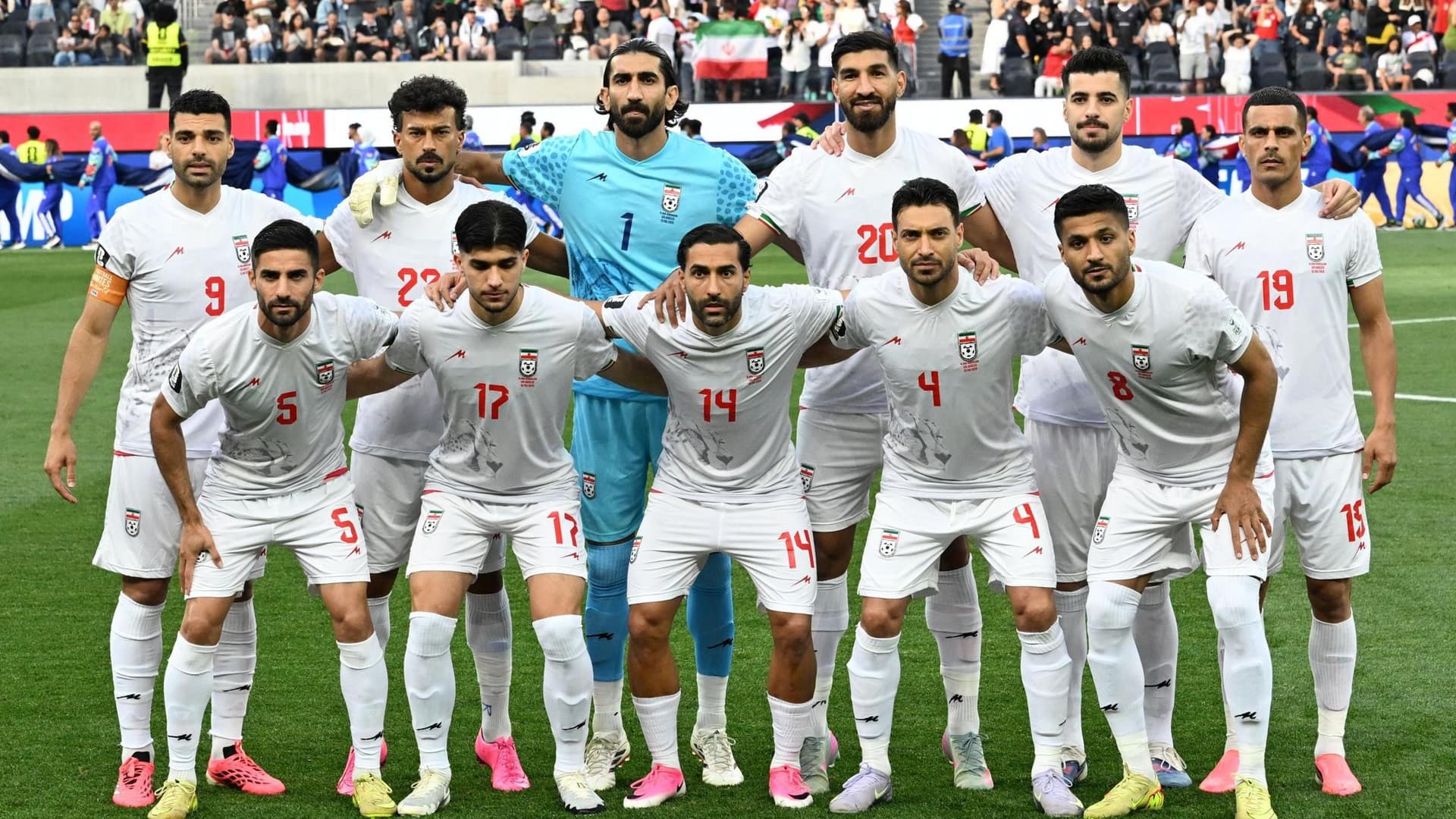
Iran is taking its World Cup travel fight to FIFA after U.S. officials denied a request to move from its base camp in Tijuana to Los Angeles two days before a match against Belgium. The Iranian football federation said it would formally register its complaint through the appropriate channels, arguing that the extra time was needed for acclimatisation, a final training session and final preparation.
The dispute deepened after Iran’s opening 2-2 draw with New Zealand in Los Angeles on Monday, when the team had to leave the United States within hours of the final whistle and return to Mexico that night. Andrew Giuliani, the executive director of the White House FIFA Task Force, said Iran had been told in advance that it would only be allowed into the United States on a “match day minus one” basis and would have to depart on the evening the game ended. He said the same arrangement would apply for Iran’s final group match against Egypt in Seattle on June 26.

Iran’s federation said the travel limits came on top of a wider visa dispute that has complicated its buildup for weeks. In early June, Mahdi Mohammad Nabi, the team supervisor, said 15 Iranian soccer federation members were denied visas to travel to the United States, including senior officials such as federation chief Mehdi Taj. The federation accused U.S. authorities of “deliberate and discriminatory treatment” and criticized FIFA for a “lack of coordination” over visa access.
The team had already shifted its training base from Tucson, Arizona, to Tijuana shortly before the tournament began. Iranian officials said they expected full access for federation staff across all three U.S. matches, and Reuters reported on June 12 that FIFA President Gianni Infantino had not delivered on promises to secure that access. U.S. officials said the visa denials were based on security concerns; the State Department said it would not allow the Iranian team to “abuse this system to sneak terrorists into the U.S. under false pretenses.”
The confrontation has become more than a travel dispute. The 2026 World Cup, the largest in history and jointly hosted by the United States, Mexico and Canada, is now testing whether a global tournament can still promise neutral access when host-country security rules determine who may enter, when they may arrive and how long they may stay. For Iran, FIFA is now being asked to prove that its assurances mean something when geopolitics meets sport.
This article was produced by Prism’s automated news system from verified source data, official records, and press releases, then run through automated quality and moderation checks before publishing. The system is built and supervised by the people who set the standards it runs under. Read our full AI policy.
Know something we missed? Have a correction or additional information?
Submit a Tip