Mexico City duck Merlin goes viral in World Cup celebrations
A duck in a tiny Mexico jersey and socks became Mexico City's unofficial World Cup mascot, drawing millions of views after a 2-0 win over South Africa.
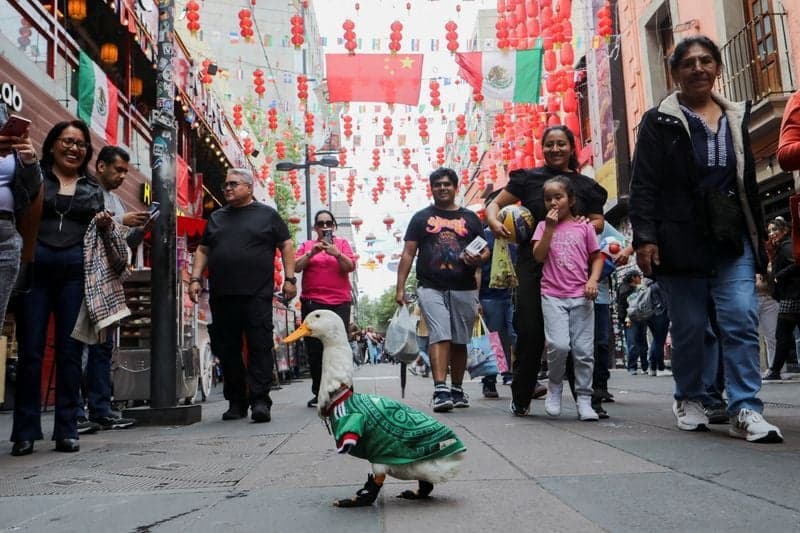
Merlin did not need a stage. A 2-year-old duck in a miniature Mexico jersey and custom socks, he waddled through Reforma Avenue in Mexico City after Mexico’s 2-0 World Cup-opening win over South Africa and instantly became the tournament’s most charming viral symbol. Crowds closed in, phones came up, and the brief scene spilled across social media, where users began calling him Mexico’s unofficial World Cup mascot.
For Karla Gómez, a street merchant in Mexico City, the fame arrived from an ordinary family routine. Merlin usually accompanies Gómez and her son Christian when they sell water and soft drinks from a cart on weekends, and he is a familiar sight around Alameda Central, the Palace of Fine Arts and the Zócalo. He has also been a regular presence at fairs and events in the historic center, long before the World Cup celebrations turned him into an internet sensation. The viral moment, which took place on June 15, 2026, was so unexpected that Gómez said the family treated it as just another day out.
The response showed how quickly a local character can become national shorthand in the age of social platforms. Video of Merlin in Mexico’s colors drew millions of views and prompted fans to stop the family for selfies. In a tournament built on momentum, one duck on Reforma Avenue became a shared joke, a piece of street theater that traveled far beyond the city center. Some coverage also described Merlin as the first unofficial mascot of the World Cup, an absurdly simple title that fit the mood around Mexico’s opening win.
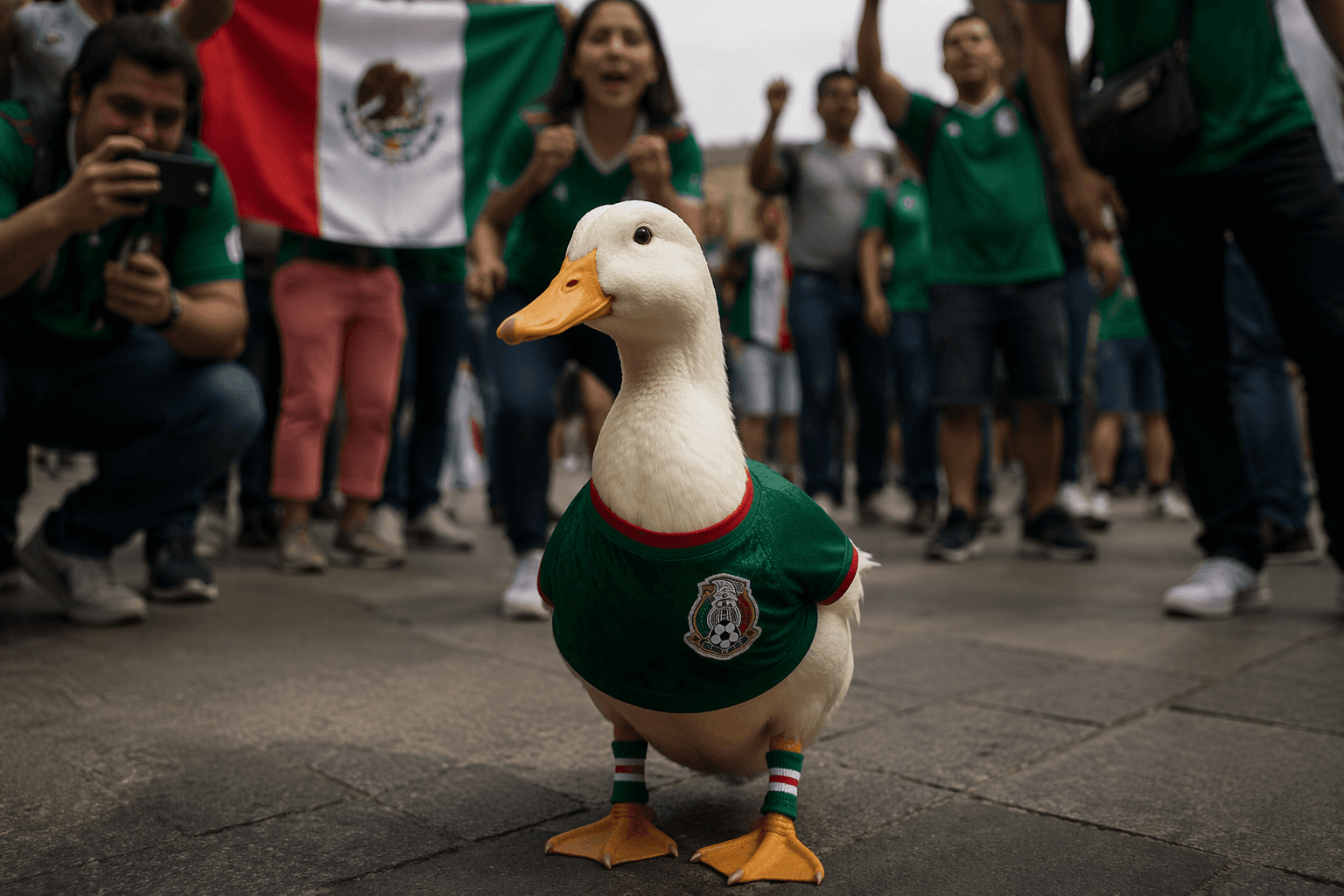
Gómez said she and Christian do not like to leave Merlin alone at home because he is “our baby,” and she called him an “idol” who is now treated as part of the family. She also stressed that they respect Mexico City’s existing symbolic animals, including the city’s axolotl mascot and FIFA’s jaguar branding. That mix of affection, restraint and local pride helped explain Merlin’s appeal: he was not a manufactured campaign character, but a duck already woven into daily city life, then lifted by the biggest sporting stage in the region. In a World Cup where attention moves at the speed of a scroll, Merlin became proof that the most enduring symbols are sometimes the ones that wobble into view by accident.
This article was produced by Prism’s automated news system from verified source data, official records, and press releases, then run through automated quality and moderation checks before publishing. The system is built and supervised by the people who set the standards it runs under. Read our full AI policy.
Know something we missed? Have a correction or additional information?
Submit a Tip