Iran to send response through Pakistan as U.S. deal talks continue
Tehran said it would route its reply through Pakistan, a sign Islamabad still has the clearest channel into both capitals as nuclear and sanctions terms remain unsettled.
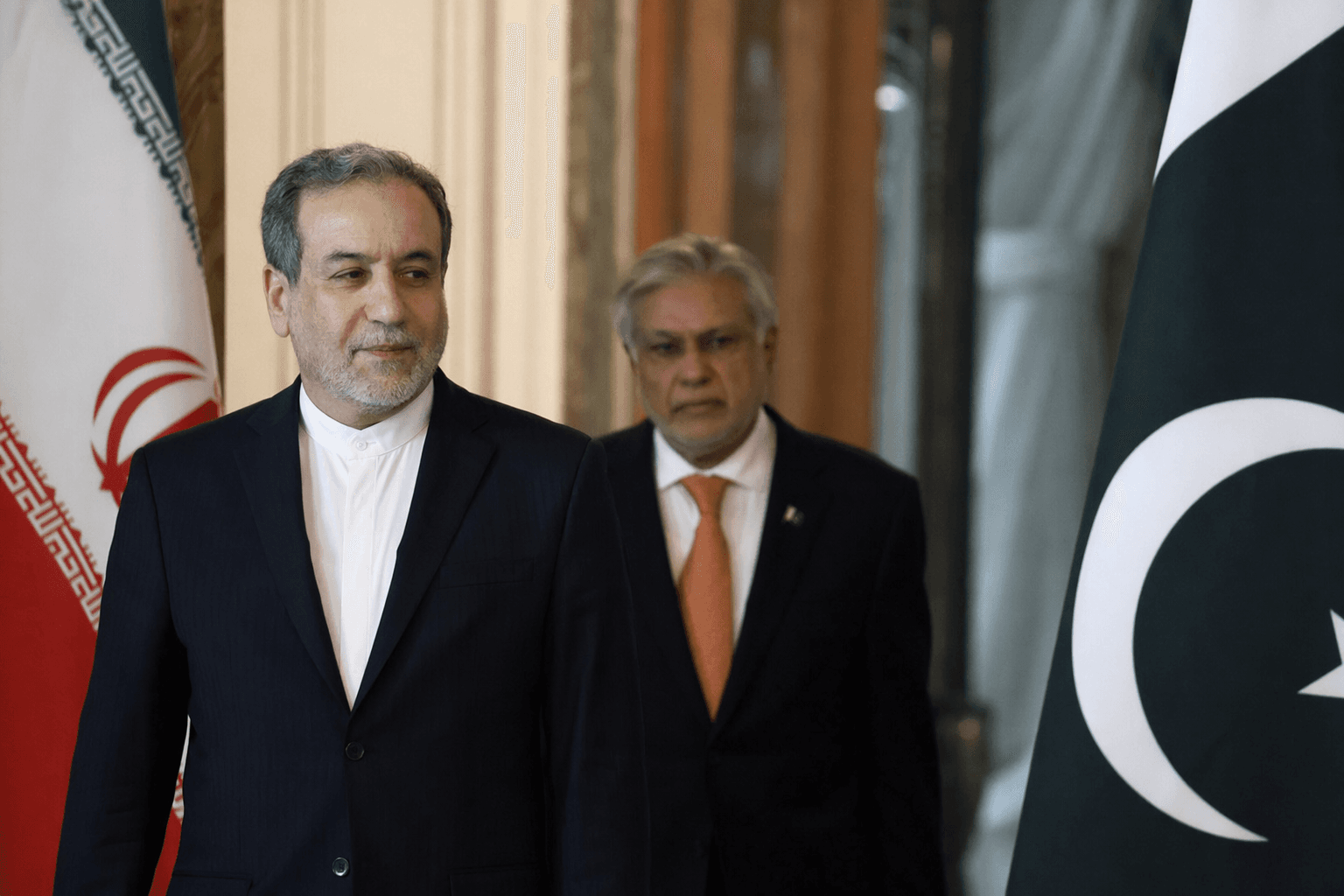
Iran’s decision to send its reply through Pakistan put the diplomatic bottleneck in plain view: Islamabad is now the channel carrying messages between Washington and Tehran, and that makes Pakistan one of the few governments with access to both sides at a moment when the terms are still contested. Iranian officials said on May 6 that Tehran was still reviewing a new U.S. proposal, while Donald Trump said a deal was “very possible” and suggested the war could end quickly if Iran accepted what had been negotiated.
The reported framework is narrow in form but sweeping in consequence. Reuters said the two sides were nearing a one-page memorandum of understanding that would formally end the conflict before opening the way to more detailed talks. The draft terms reported so far include a pause in uranium enrichment, U.S. sanctions relief, the release of billions of dollars in frozen Iranian funds, and changes to restrictions on transit through the Strait of Hormuz, the chokepoint that before the war handled roughly one-fifth of the world’s oil and gas supply.
That is why Pakistan’s role matters. State media and multiple reports have described Islamabad as relaying messages and hosting earlier contacts, a function that now gives the Government of Pakistan unusual leverage in a negotiation that has not yet become a direct bargain between Iran and the United States. If Tehran delays, the talks could drift into the 30-day follow-on period reported in some accounts, extending uncertainty while keeping the diplomatic channel open. If Tehran rejects the package outright, the chance of a quick settlement would fade, and Trump has already warned he could resume bombing if the talks fail.
Iranian officials have publicly pushed back against the American terms. Ebrahim Rezaei, a senior Iranian parliament spokesperson, called the Axios-reported text an “American wish list,” echoing earlier Iranian criticism that Washington was trying to win through pressure what it had failed to secure in direct talks. Other Iranian officials have argued that the U.S. proposal still leaves the core disputes unresolved, especially Iran’s nuclear program and the status of Hormuz.
A counteroffer from Tehran would likely turn the talks toward its own conditions, including non-aggression guarantees, withdrawal of U.S. forces near Iran, lifting the naval blockade, compensation, sanctions removal, and a new mechanism for the Strait of Hormuz. For now, the market response suggests how much is at stake: oil prices fell and global markets rallied on hope that a breakthrough could lower risk in the Gulf, but the outcome still hinges on whether Pakistan’s back channel can turn a tentative framework into an actual deal.
This article was produced by Prism’s automated news system from verified source data, official records, and press releases, then run through automated quality and moderation checks before publishing. The system is built and supervised by the people who set the standards it runs under. Read our full AI policy.
Did this article answer your question?


