Iran, U.S. and Pakistan say progress made in cease-fire talks
Iran, the U.S. and Pakistan said cease-fire talks advanced as the Strait of Hormuz stayed effectively shut and war risks still hung over the deal.
Pressure built on negotiators even as they said they were moving closer to a deal, with Iran, the United States and Pakistan all signaling that the latest round of talks had made progress while the cease-fire remained fragile and the Strait of Hormuz stayed effectively closed to most shipping.
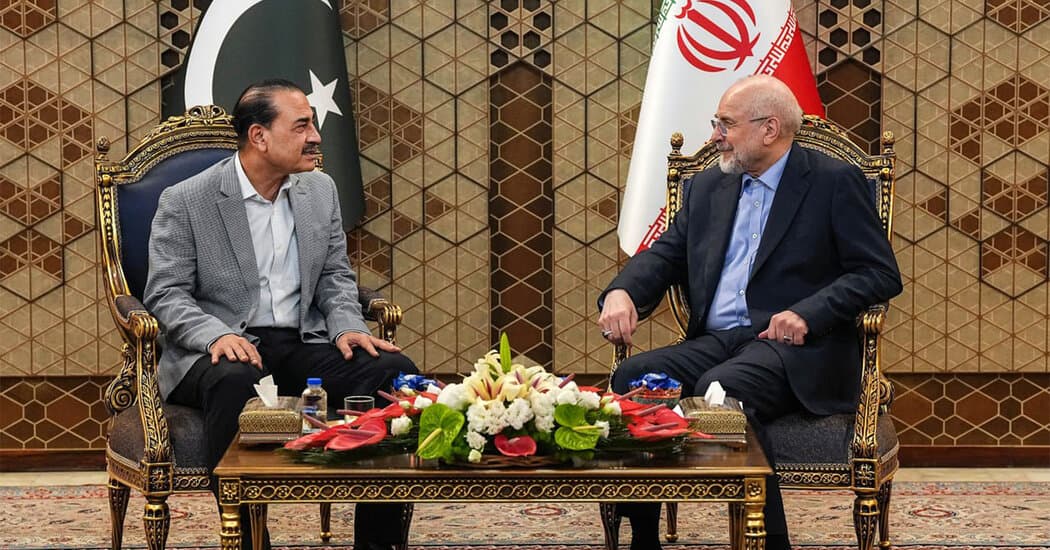
Iran’s foreign ministry said Tehran was focused on finalizing a memorandum of understanding, and Pakistani officials described the past 24 hours of talks as "encouraging." Pakistan’s army chief, Field Marshal Asim Munir, met Iranian officials in Tehran as Islamabad stepped up its mediation effort, part of a wider push by regional intermediaries to keep the truce from collapsing.
U.S. Secretary of State Marco Rubio, speaking in New Delhi, said there had been "some progress" and suggested Washington might have something to say in the coming days. Iranian Foreign Ministry spokesman Esmail Baghaei said the trend that week had been toward a reduction in disputes, though he said remaining issues still had to be handled through mediators.
The talks were centered on a 14-point Iranian document and on messages exchanged between the two sides, according to the accounts circulating around the negotiations. Earlier reporting said the United States and Iran were weighing a short memorandum of understanding that would let Iran ease its grip on the strait while Washington gradually lifted its naval blockade of Iranian ports over a 30-day period, with the nuclear file to be addressed afterward. Iran has said it wants the fighting ended before the nuclear issue is tackled. Washington has said Iran can never have a nuclear weapon and that the strait must remain open without tolls.
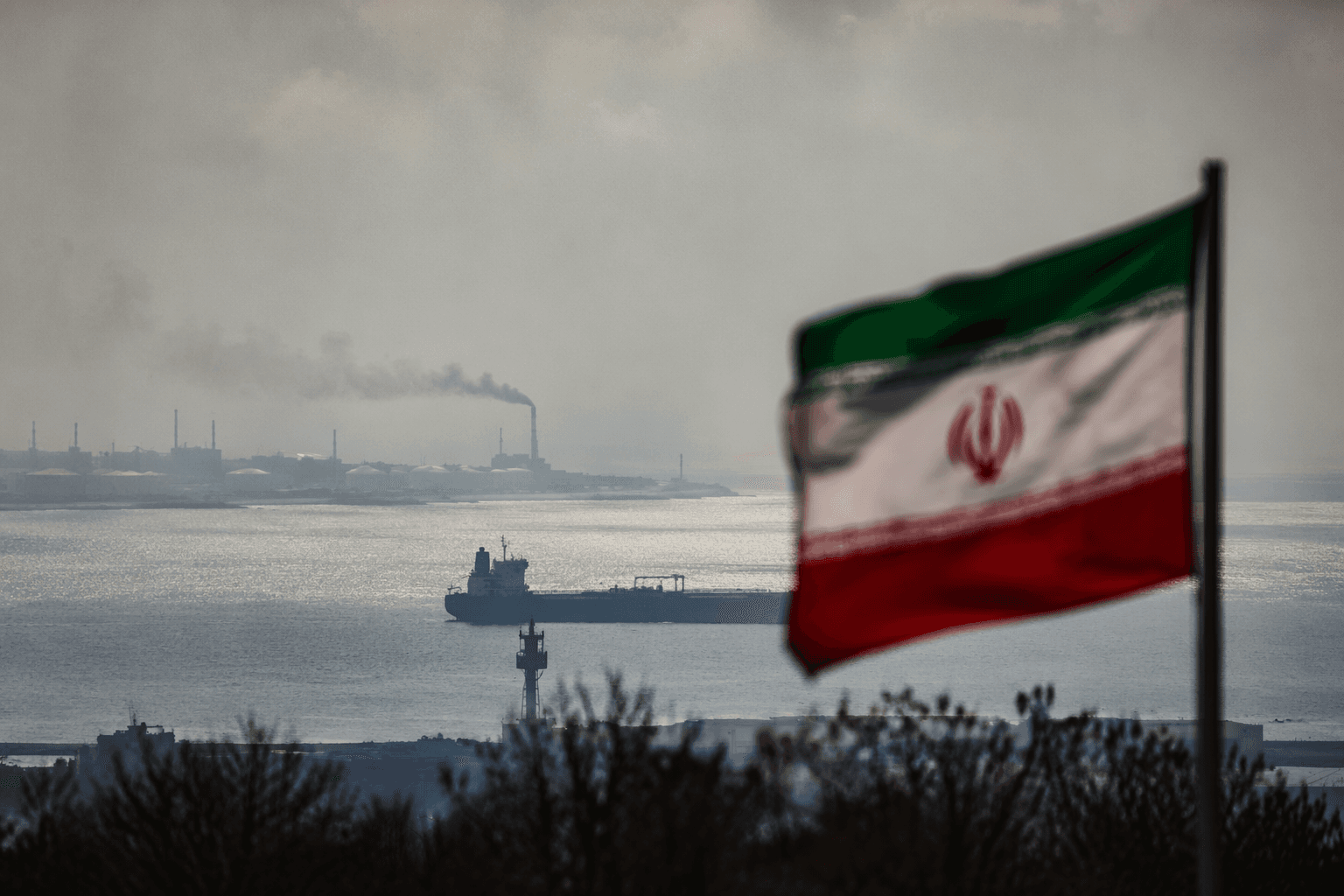
The narrow opening in the diplomacy stood beside real risk. Even with the cease-fire in place, the Strait of Hormuz remained closed to most shipping, disrupting global energy markets and deepening pressure on both sides to land a deal. Iranian officials said earlier in the week that they had received the latest U.S. views and were reviewing them, a process they said could take several days.
Donald Trump has repeatedly warned that the negotiations were on the "borderline" between an agreement and renewed strikes if Iran did not provide the "right answers." That threat now hangs over talks that have produced movement but not security, leaving civilians across the Middle East, regional mediators and fuel markets exposed to the next collapse as much as the next breakthrough.
This article was produced by Prism’s automated news system from verified source data, official records, and press releases, then run through automated quality and moderation checks before publishing. The system is built and supervised by the people who set the standards it runs under. Read our full AI policy.
Did this article answer your question?