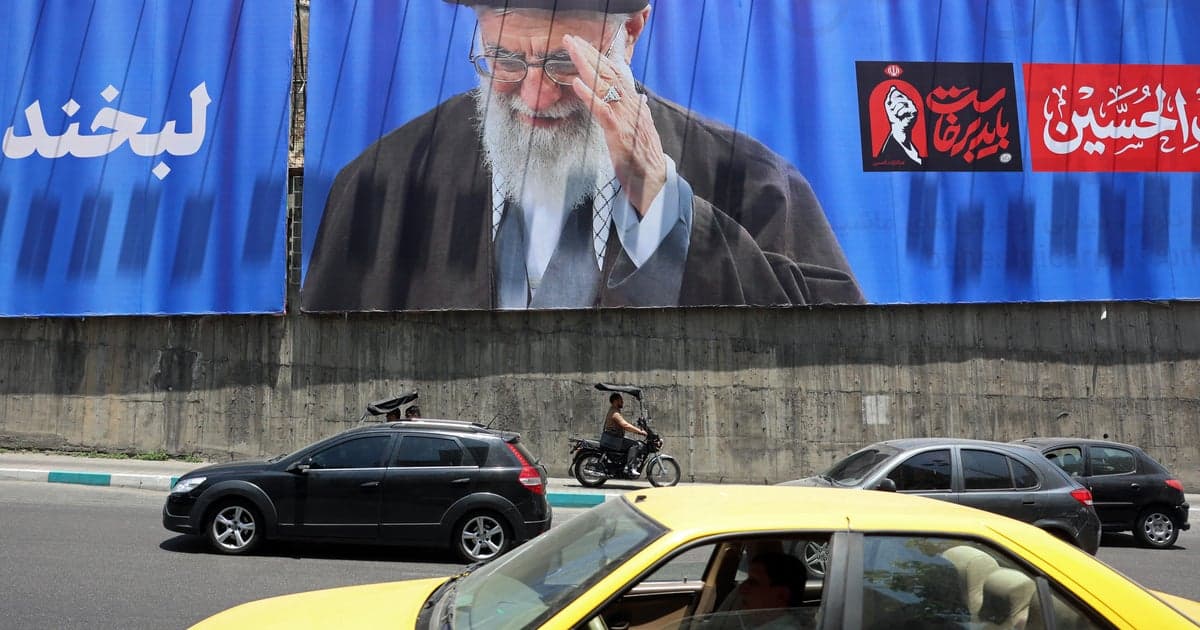
Iran Vows Retaliation After U.S. Seizes Tanker Near Hormuz
Iran vowed retaliation after U.S. forces seized an Iranian-flagged cargo ship near Hormuz, even as Tehran said the war “benefits no one” and talks remained possible.
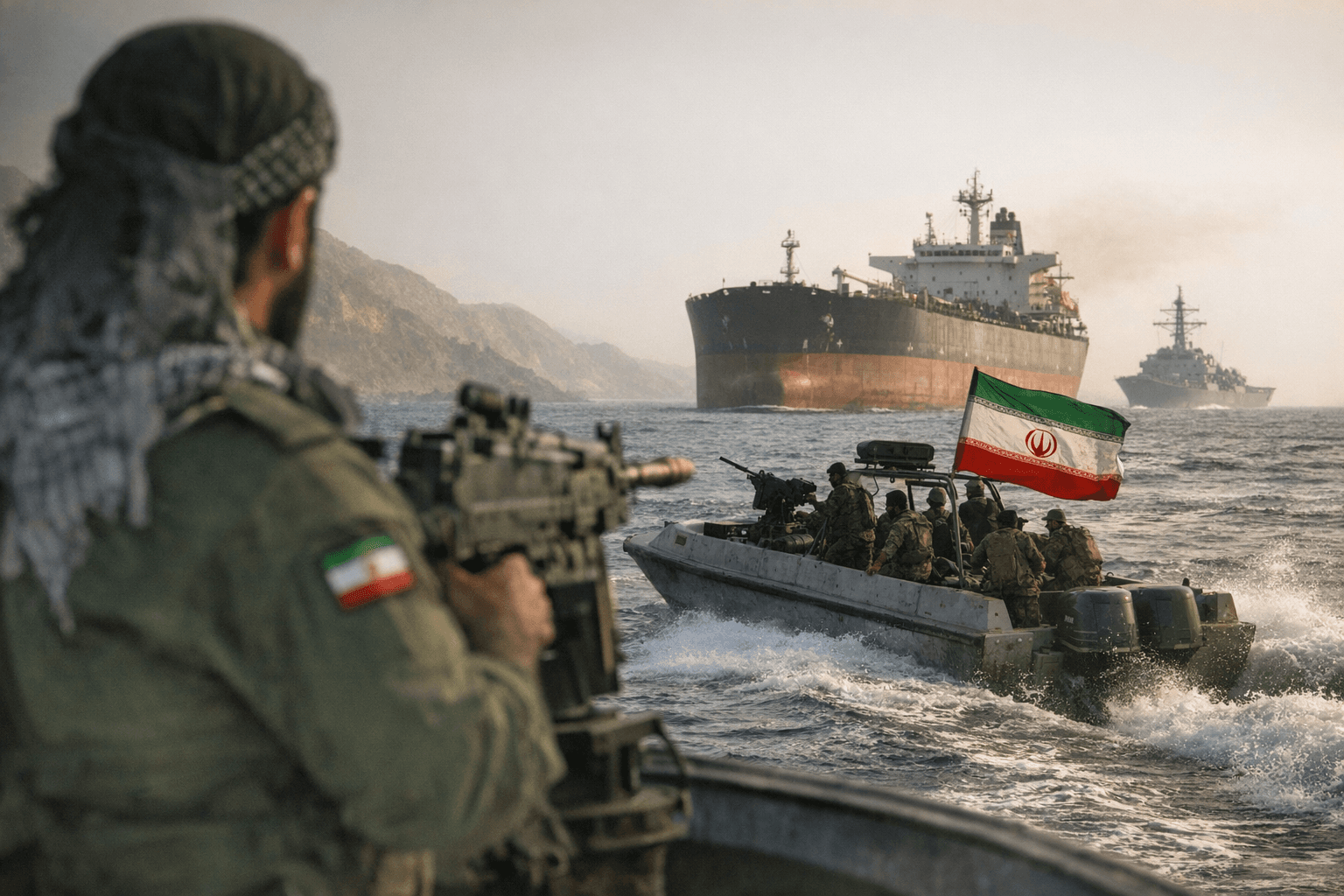
The seizure of an Iranian-flagged cargo ship near the Strait of Hormuz jolted an already fragile crisis, with Tehran threatening retaliation while also leaving the door open to diplomacy. Iranian officials called the move “maritime and armed robbery,” and First Vice President Mohammad Reza Aref warned that the “security of the Strait of Hormuz is not free.”
U.S. Central Command said its forces boarded and seized the vessel in the Arabian Sea near the strait after the ship, headed toward an Iranian port, ignored warnings. The U.S. said force was used against the ship’s engine room before Marines took control. The incident landed in one of the world’s most volatile waterways, where about 20% of global oil and gas passes in peacetime and where even limited confrontation can send energy markets higher.
The mixed messaging sharpened the diplomatic uncertainty. Iranian Foreign Ministry spokesperson Esmail Baghaei said Tehran had made “no plans” to take part in another round of talks, even as President Donald Trump said he was sending envoys to Pakistan for further negotiations. Iran’s president said the war “benefits no one,” underscoring how Tehran is signaling both defiance and a possible off-ramp.
The stakes are higher because the two-week ceasefire set to follow the wider war is due to expire Tuesday at 8:00 p.m. ET. The conflict began on February 28, 2026, after U.S. and Israeli strikes on Iran, and the latest maritime confrontation has raised the risk that a single boarding operation could trigger a wider military exchange.
Talks were already strained before the seizure. U.S. and Iranian negotiators spent 21 hours in Islamabad on April 12 without reaching an agreement, with Vice President JD Vance saying Washington had not secured Iran’s commitment not to build a nuclear weapon. Iranian parliamentary speaker Mohammad Baqer Qalibaf blamed the United States for failing to win Tehran’s trust.
That deadlock now sits beside a sharper warning at sea. Iran has repeatedly treated Hormuz as a pressure point in past standoffs, and the latest seizure has revived fears that retaliation could move from rhetoric to the shipping lane that carries the energy lifeblood of Europe, Asia and the United States. For markets, militaries and diplomats, the question is no longer whether Tehran is angry. It is whether the seizure marks the opening of a new escalation, or a harder-edged bid to force talks on terms it can accept.
This article was produced by Prism’s automated news system from verified source data, official records, and press releases, then run through automated quality and moderation checks before publishing. The system is built and supervised by the people who set the standards it runs under. Read our full AI policy.
Did this article answer your question?