Iran war cuts global LNG supply, Europe and Asia face shortages
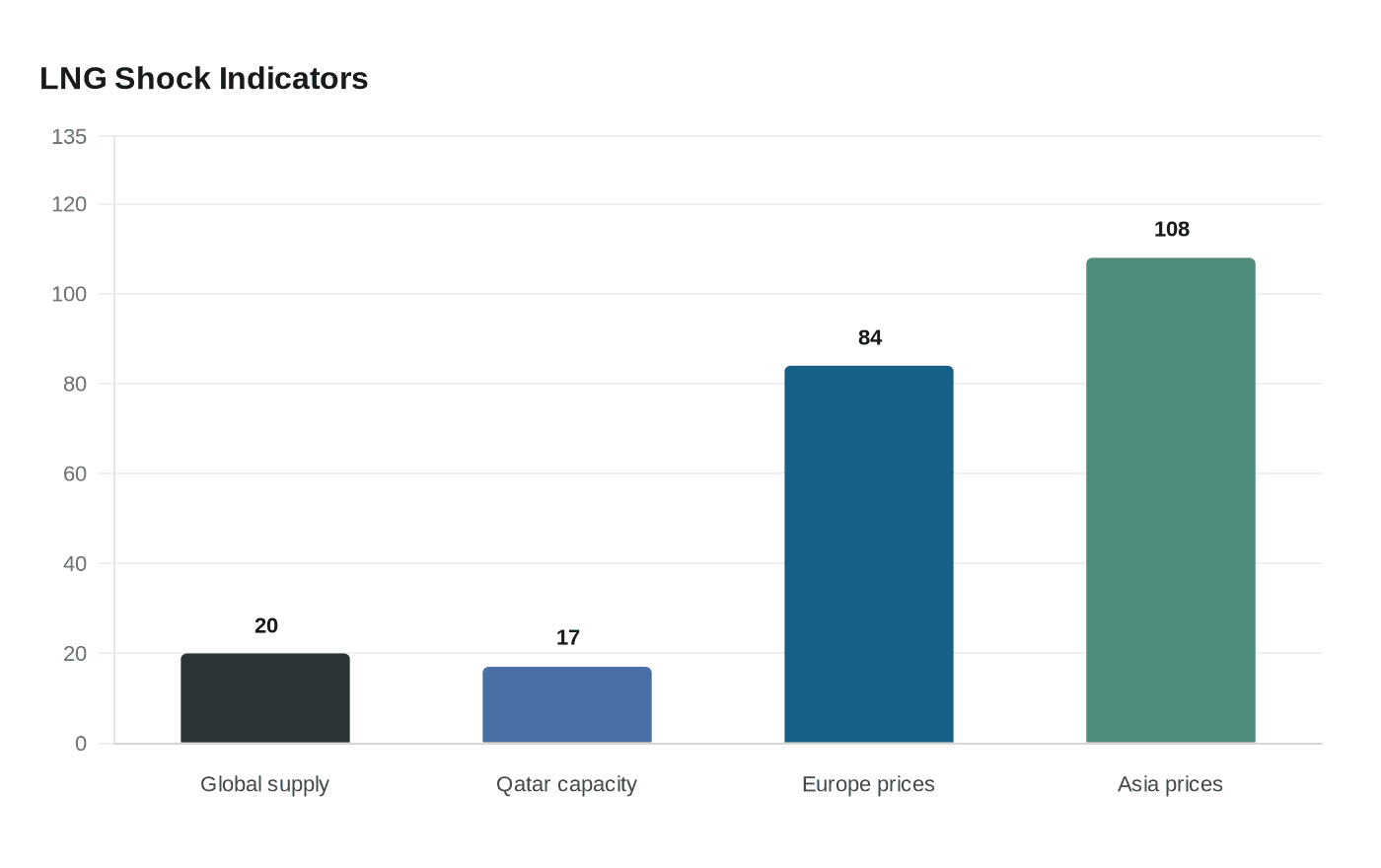
Iran’s war has pulled nearly 20% of global LNG supply off the market, lifting prices in Europe and Asia while West Texas gas trades below zero.
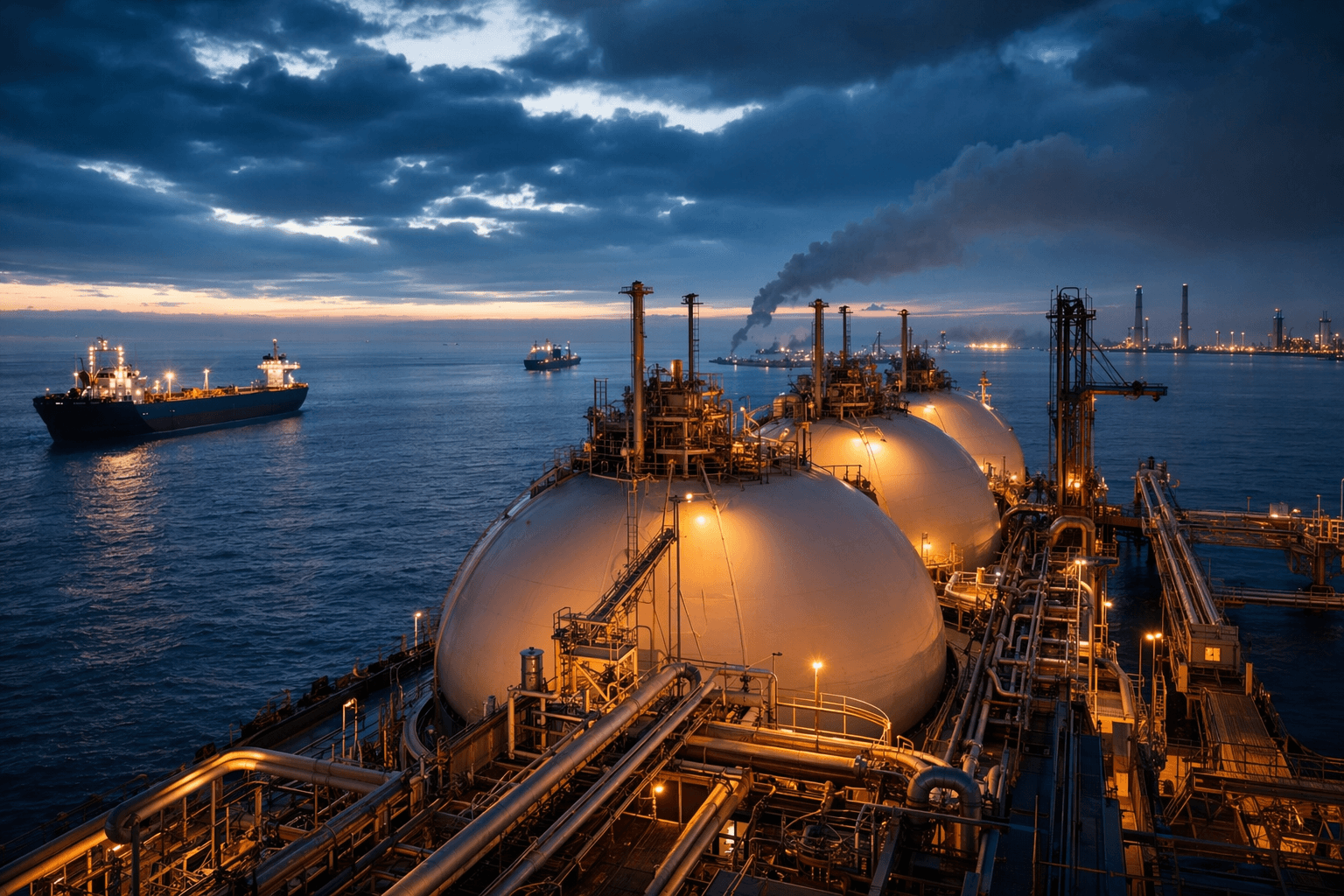
A war-driven choke point in the Strait of Hormuz has turned the global gas market upside down: Europe and Asia are scrambling for LNG, while the United States sits on a surplus it cannot fully move to market.
The International Energy Agency said on April 24 that disruption to shipping through the Strait of Hormuz since the start of March removed close to 20% of global LNG supply, creating unprecedented uncertainty and sending Asia and Europe gas prices to their highest levels since January 2023. Over the same period, prices in both regions surged sharply, with European gas up as much as 84% and Asian gas as much as 108%.
Qatar has been hit especially hard. The IEA said a March 18 attack on the Ras Laffan LNG export facility damaged two liquefaction trains and cut 17% of Qatar’s export capacity. QatarEnergy has estimated repairs could take as long as five years, an unusually long horizon for a market that depends on every cargo reaching tidewater.
The shock reversed a strong start to the year. During the 2025/26 heating season, global LNG trade rose 12% year on year in the October-to-February period, while benchmark prices in Europe and Asia fell by about 25%. The Middle East disruption abruptly ended that rebalancing and forced import-dependent buyers back into a bidding war for scarce supply.
The United States has not been able to capitalize fully. The U.S. Energy Information Administration said current U.S. peak LNG export capacity is 18.3 billion cubic feet a day, and that terminals were already running at relatively high utilization rates in 2025. It forecast exports averaging 17.0 billion cubic feet a day in 2026, rising further in 2027 as five LNG projects ramp up.
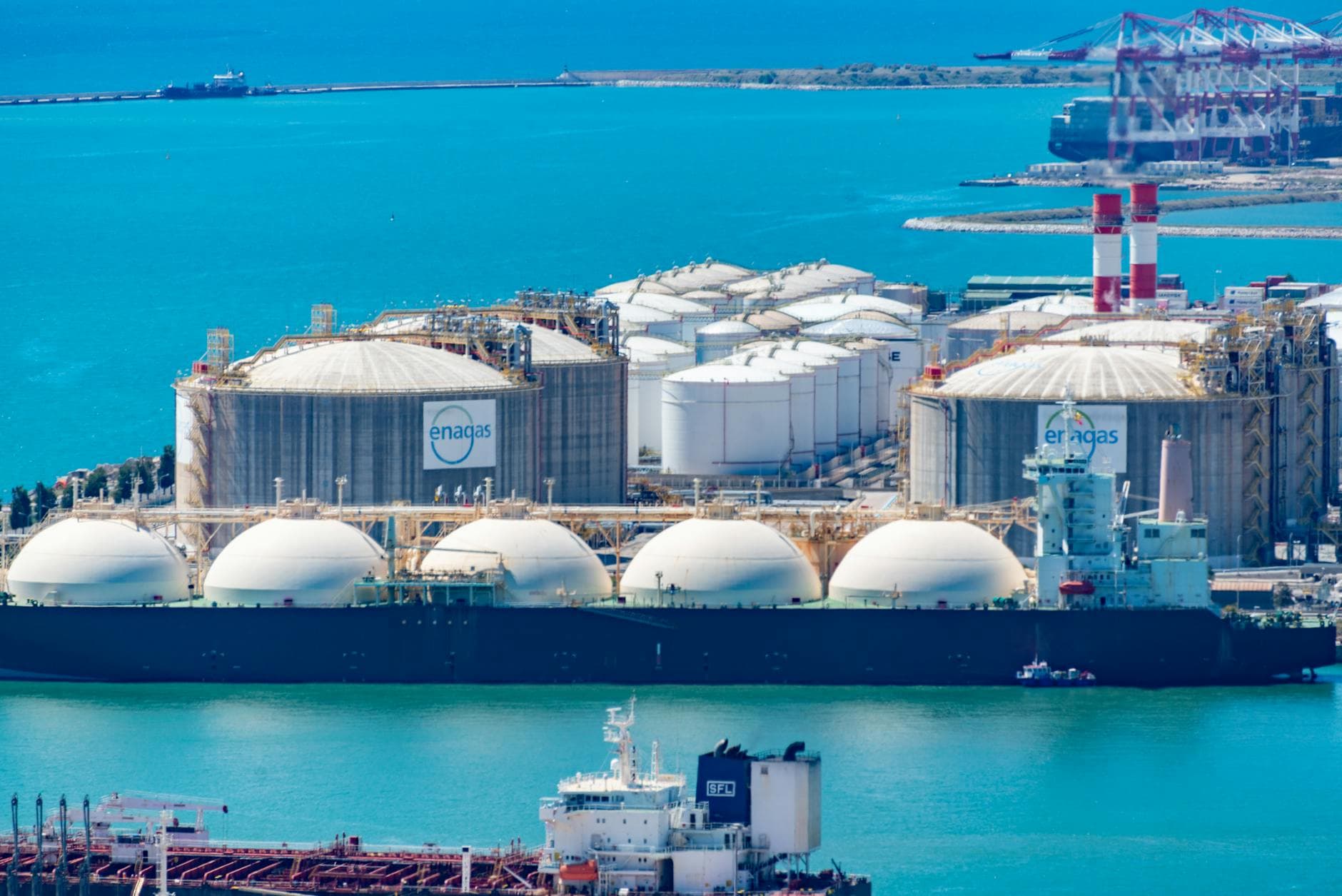
Even so, the domestic market remains oversupplied. Spot gas at the Waha Hub in West Texas has traded below zero on most days this year because pipeline takeaway from the Permian Basin cannot keep up with production. The EIA said that mismatch has been building for years, with Permian gas output, largely associated gas tied to crude oil drilling, growing faster than transport capacity.
That bottleneck leaves Washington with a strategic paradox. The United States exported 11.9 billion cubic feet a day of LNG in 2024, remaining the world’s largest exporter, and U.S. LNG shipments to Europe hit a record 10.3 billion cubic feet a day in 2025. But Henry Hub futures still fell to a 17-month low around $2.52 per million British thermal units, a sign that abundant supply at home is not the same as usable power abroad.
The longer-term risk is that the mismatch endures. Power-hungry data centers and new export terminals should keep U.S. gas production growing, even as allies in Europe and Asia pay more for less. In a geopolitical crunch, the United States has the molecules, but not always the pipes, ports or speed to turn them into leverage.
This article was produced by Prism’s automated news system from verified source data, official records, and press releases, then run through automated quality and moderation checks before publishing. The system is built and supervised by the people who set the standards it runs under. Read our full AI policy.
Did this article answer your question?
%3Amax_bytes(150000)%3Astrip_icc()%2FCertificate-of-deposit-2301f2164ceb4e91b100cb92aa6f868a.jpg&w=1920&q=75)