S&P 500 posts five straight weekly gains amid oil shock and war turmoil
Stocks kept climbing even as Brent oil spiked above $126 and the VIX jumped, showing markets bet the Iran conflict would stay contained.

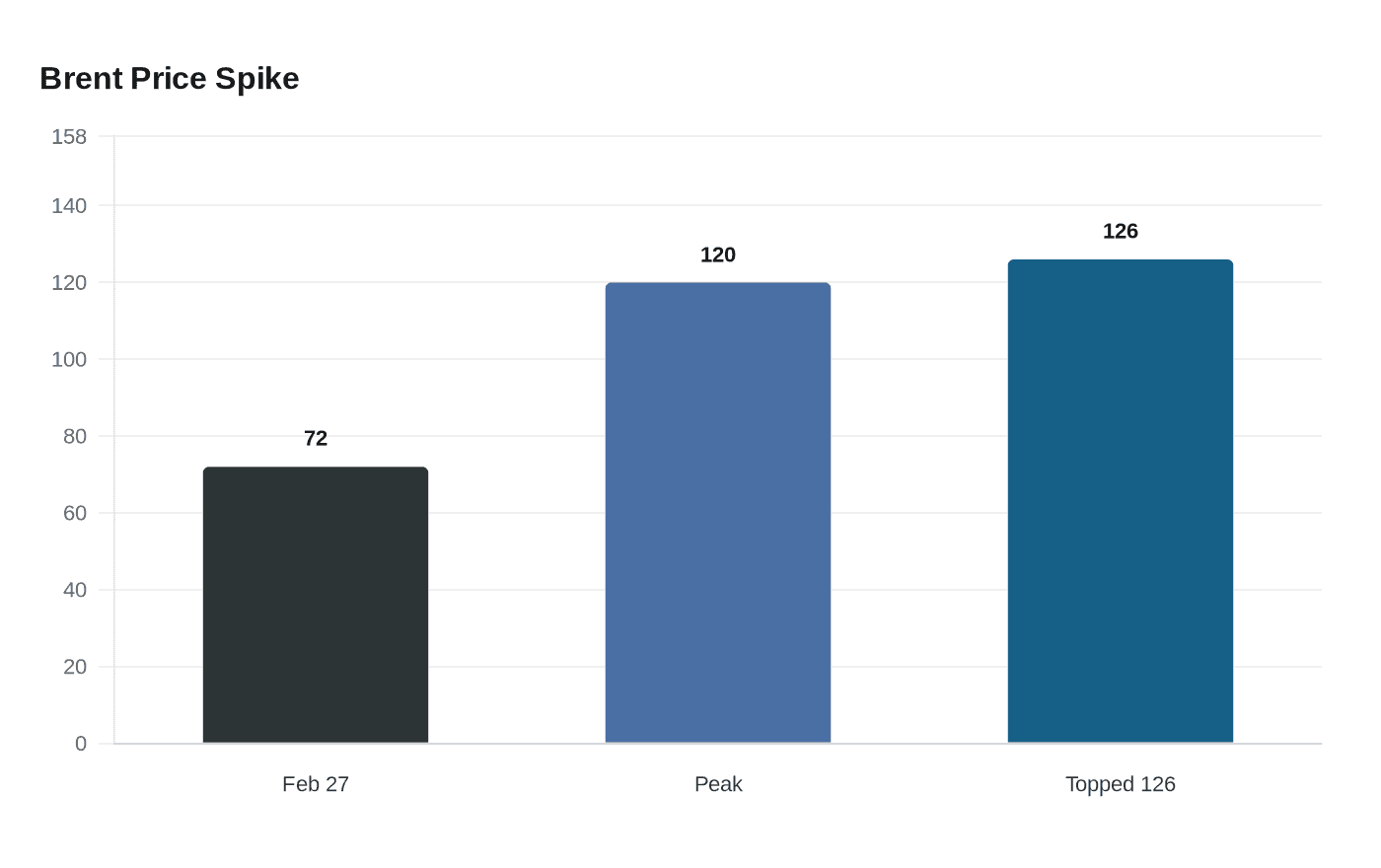
Equities kept climbing while oil flashed warning signs. The S&P 500 put together five straight weekly gains, its first such run in roughly 18 months, even as Brent crude surged more than 55% from about $72 a barrel on Feb. 27 to nearly $120 at its peak and briefly topped $126 before easing.
The split screen reflected two very different market bets. Oil traders priced in war risk, shipping disruption and a possible squeeze through the Strait of Hormuz and the Persian Gulf. Stock investors, by contrast, kept leaning on strong first-quarter corporate earnings and the view that the fighting would remain contained enough to avoid a broader global shock.

The turbulence began after the U.S. and Israel launched military action against Iranian military, government and nuclear sites on Feb. 28, 2026, according to the FRED Blog of the Federal Reserve Bank of St. Louis. Media reports then flagged shipping disruptions in the Strait of Hormuz on March 1, and the U.S. imposed a naval blockade of Iran’s ports on April 13. As each new escalation hit the tape, the Cboe Volatility Index rose alongside crude, showing how quickly investors were repricing geopolitical risk.
The oil move was extraordinary even by crisis standards. Brent jumped 51% in March alone, one of the largest one-month oil price surges on record. On April 20, U.S. crude rose 6.9% to $89.61 a barrel and Brent gained 5.6% to $95.48 as ceasefire concerns intensified, underscoring how sensitive energy markets remained to headlines from Tehran and the Gulf.
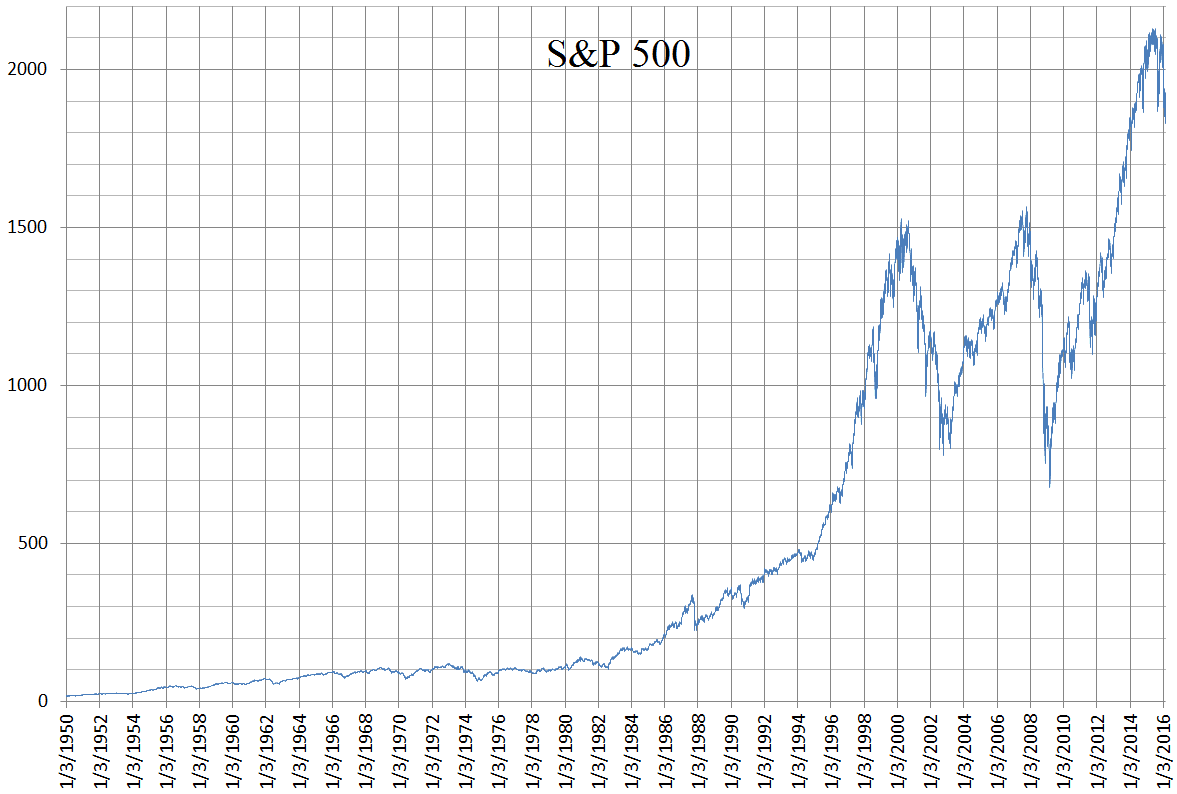
Yet April ended with risk assets still in rally mode. The S&P 500 was up 10.4% for the month, its best monthly performance since November 2020. The Nasdaq rose 15.3%, its strongest month since April 2020, and the Dow Jones Industrial Average was on pace for its best month since November 2024.
Market strategists said the resilience came from earnings. Robert Pavlik of Dakota Wealth said investors were leaning on strong results to look through near-term geopolitical uncertainty, a judgment that kept buying pressure alive even as the war premium lingered in energy markets. Angelo Kourkafas of Edward Jones has also pointed to earnings and economic resilience as a buffer against headline risk.
For now, Wall Street has chosen containment over panic. Oil still says the war is dangerous; stocks still say the damage may stop short of the broader economy.
This article was produced by Prism’s automated news system from verified source data, official records, and press releases, then run through automated quality and moderation checks before publishing. The system is built and supervised by the people who set the standards it runs under. Read our full AI policy.
Did this article answer your question?

