Iran war drives gas and food prices higher before election
Gas hit $4.51 a gallon and food rose again in April as the Iran war fed into household budgets, raising pressure on Trump before the election.
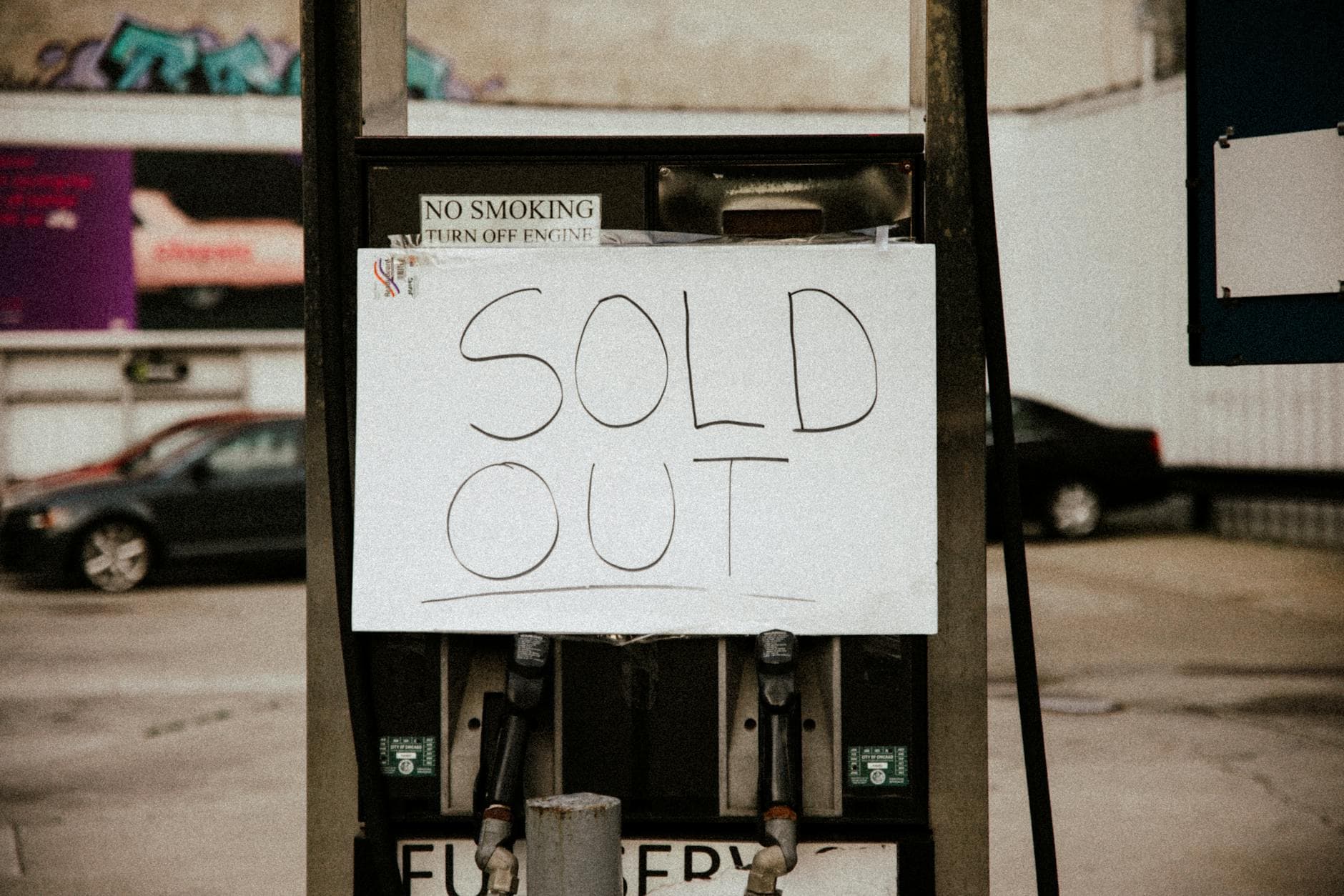
The Iran war is already showing up where voters notice it first: at the pump and in the grocery aisle. U.S. inflation jumped 0.6% in April and 3.8% over the past 12 months, while energy prices rose 3.8% in the month and accounted for more than 40% of the increase in the consumer price index. Food prices climbed another 0.5%, adding to the strain on families already facing higher everyday costs.
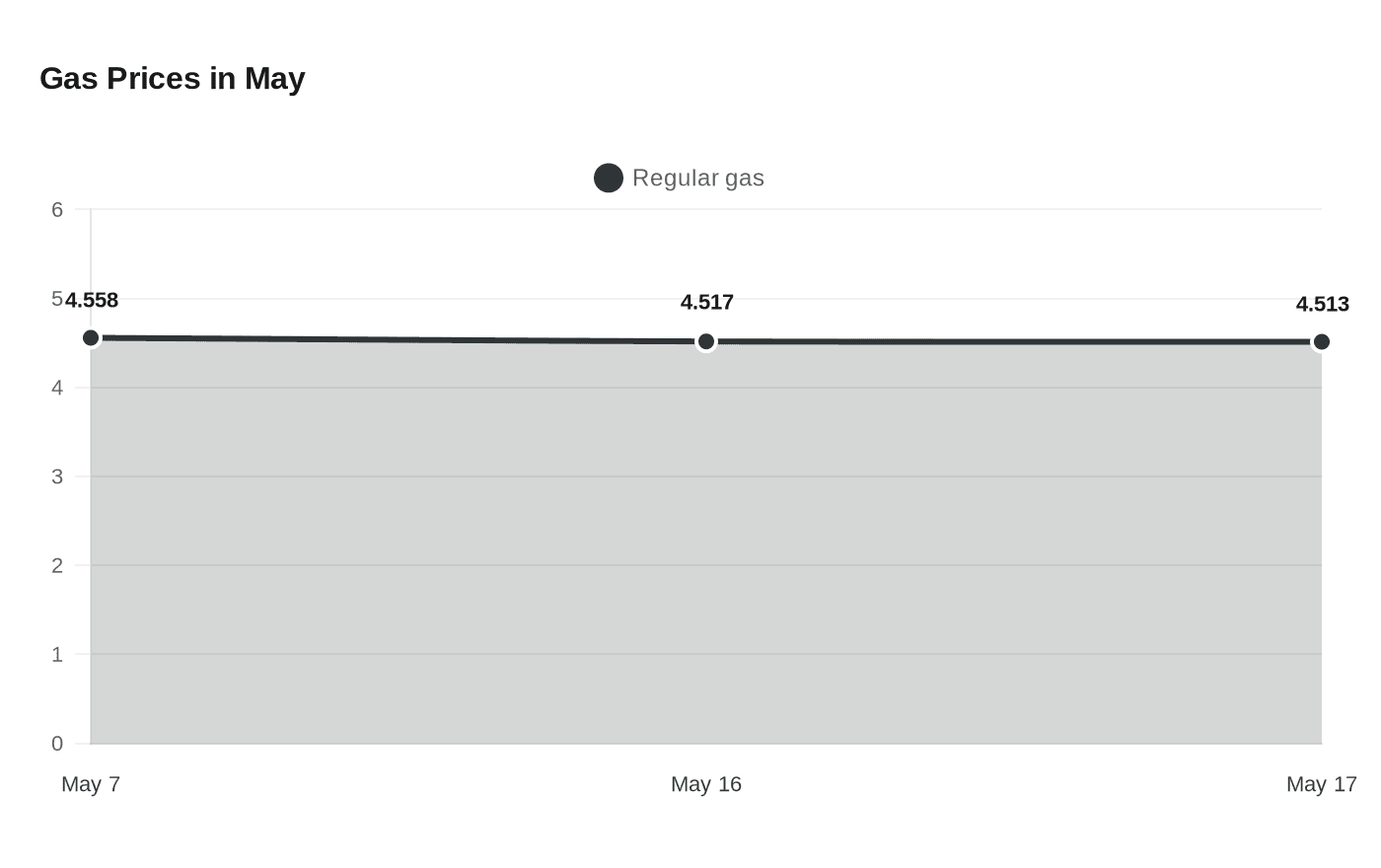
Gasoline prices have moved fast enough to keep pressure on household budgets even before the next election. AAA said the national average for regular gas was $4.517 on May 16 and $4.513 on May 17, after gasoline had already reached $4.558 on May 7, roughly 40 cents higher than a month earlier. Those gains hit hardest in car-dependent regions, where commuting, school runs and weekend errands all become more expensive at once.
The broader warning is that the shock is not limited to fuel. The World Bank projected on April 28 that energy prices would surge 24% this year to their highest level since Russia’s invasion of Ukraine in 2022, saying the war in the Middle East was sending a severe shock through global commodity markets. That matters because higher energy costs can flow into trucking, shipping, packaging and the production of everything from bread to household goods, squeezing consumers well beyond the gas station.
The political risk is rising with the prices. Trump administration officials have been scrambling to contain the economic and political fallout, including discussion of a gas-tax holiday, as officials in Washington try to blunt the impact before the election. Trump has publicly downplayed Americans’ financial concerns and said his focus is preventing Iran from getting a nuclear weapon, leaving Democrats to argue that the cost of the conflict is being passed directly to working families.
For lower- and middle-income households, the shock lands fastest because fuel and food take up a larger share of the monthly budget. April’s CPI report showed that energy was doing an outsized share of the damage, and with gasoline still above $4.50 a gallon nationally, the war abroad is already translating into smaller grocery baskets and tighter spending at home.
This article was produced by Prism’s automated news system from verified source data, official records, and press releases, then run through automated quality and moderation checks before publishing. The system is built and supervised by the people who set the standards it runs under. Read our full AI policy.
Did this article answer your question?
%3Amax_bytes(150000)%3Astrip_icc()%2FCertificate-of-deposit-2301f2164ceb4e91b100cb92aa6f868a.jpg&w=1920&q=75)