South Korea vows intervention to avert Samsung chip plant strike
Seoul pledged emergency arbitration as Samsung workers threatened a strike, warning a one-day shutdown could cost up to 1 trillion won and shake global chip supply.
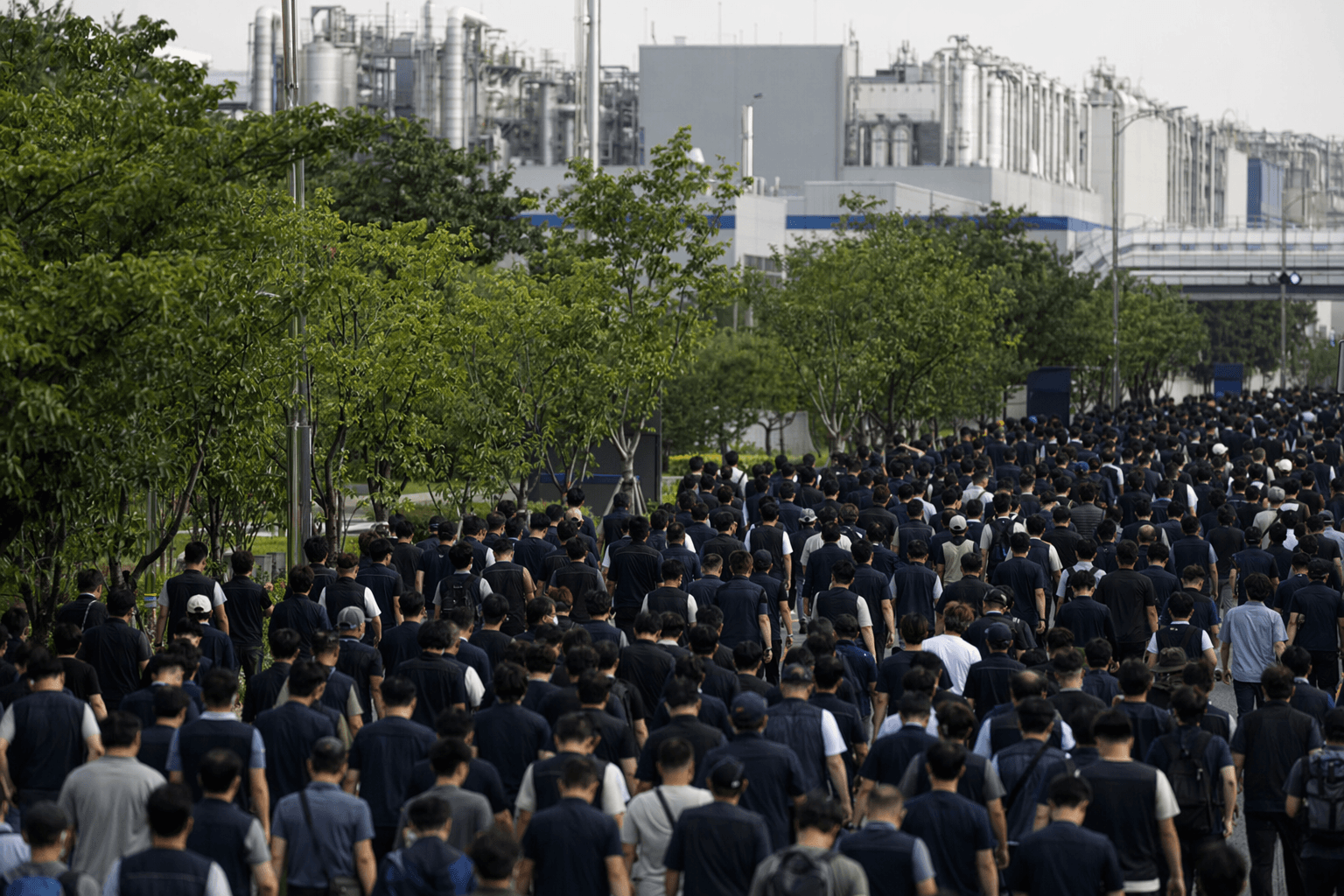
South Korea’s government said it would use every available tool, including emergency arbitration, to stop a strike at Samsung Electronics, turning a wage dispute into a direct test of how far Seoul will go to shield its most important industrial employer.
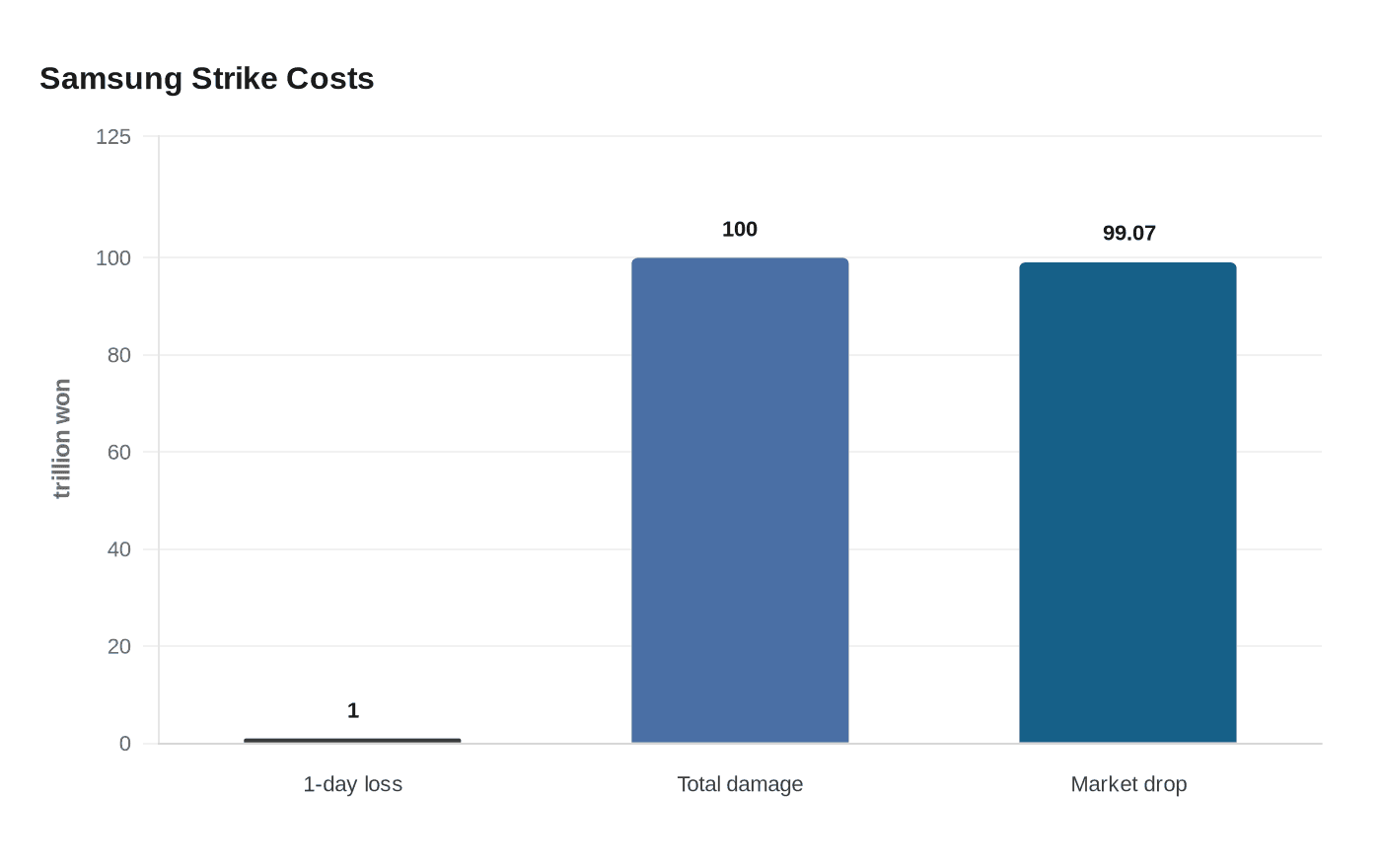
Prime Minister Kim Min-seok warned after an emergency meeting with ministers that even a single day of shutdown at Samsung’s semiconductor lines could inflict direct losses of as much as 1 trillion won, or about $667.68 million. He said the deeper danger was a wider disruption that could last for months, force materials to be discarded and push the total economic damage as high as 100 trillion won.
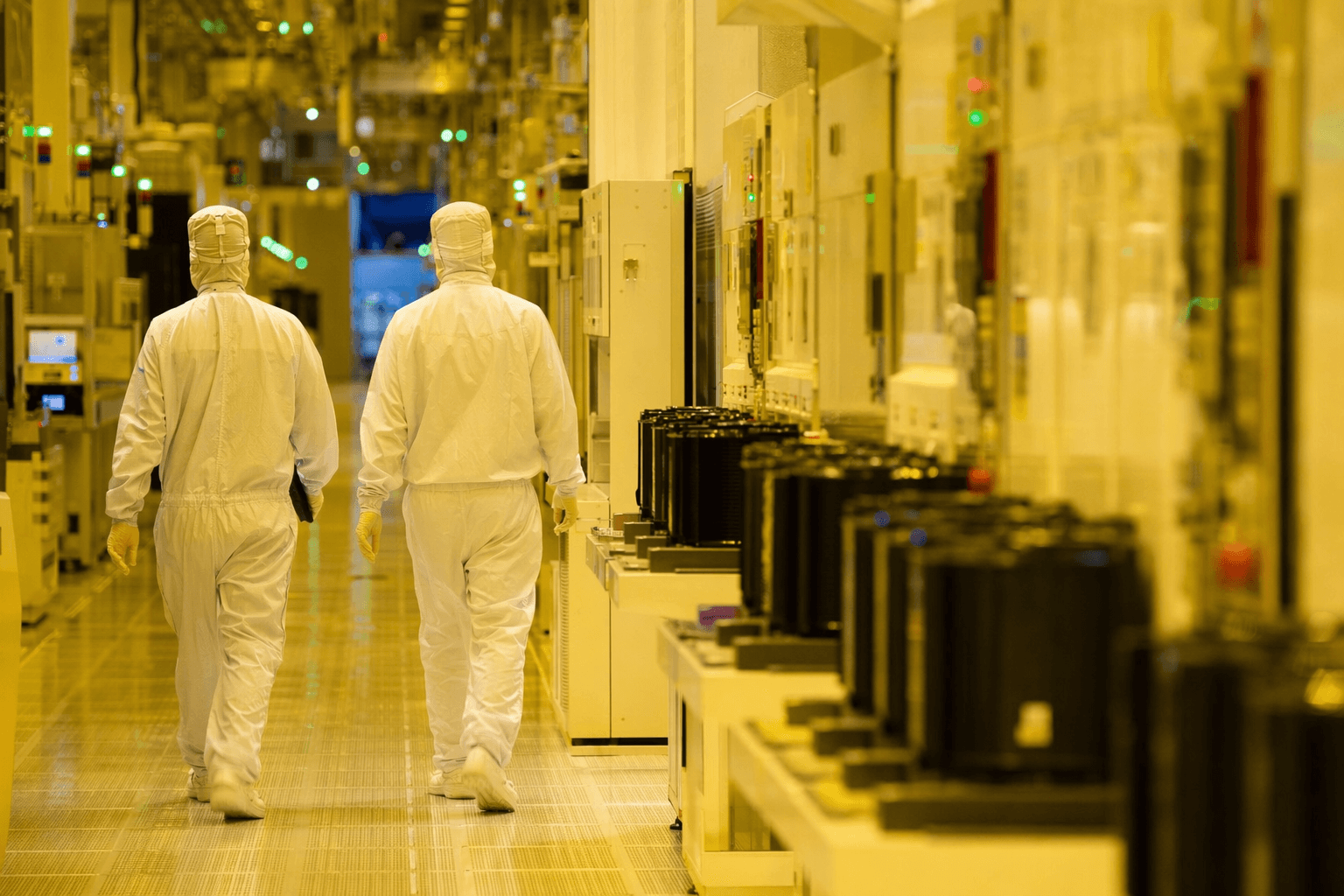
The stakes are unusually high because Samsung is not just another large company. It is the world’s largest memory chipmaker, accounts for 22.8 percent of South Korea’s exports, and makes up 26 percent of the domestic stock market. The company employs more than 120,000 people and works with 1,700 suppliers, making any prolonged stoppage a threat far beyond its own factory gates.
Samsung and its South Korean labor union were scheduled to resume pay talks on Monday with a government mediator, keeping open the possibility of a negotiated settlement. If those talks failed, officials could invoke emergency arbitration, a rarely used legal tool that can suspend strike action for up to 30 days while mediation continues. For a government that is generally sympathetic to labor, the prospect of using that power underscored how seriously it viewed the dispute.
The conflict escalated after government-mediated talks broke down on May 11 and 12. The union then said it remained committed to a strike starting May 21, and later signaled an 18-day walkout if no deal was reached. South Korea’s Labor Commission urged both sides to return for another round of mediation, and Samsung management proposed resuming talks.
The market has already registered the risk. Samsung lost as much as 99.07 trillion won, or $66.18 billion, in intraday market value on May 13 after the wage talks failed, before recovering part of that decline. The dispute centers on performance-based bonuses linked to earnings from Samsung’s artificial-intelligence-related chip business, with workers pressing for a larger share of those gains and an end to bonus caps.
Lee Jae-yong, Samsung Electronics’ executive chairman, publicly apologized on May 16 in his first public comments on the dispute and said he would bear responsibility. Samsung executives had issued a rare public apology a day earlier. With 262,647 employees in 76 countries and 125,297 in Korea at the end of 2024, Samsung’s labor fight has become a national industrial-policy problem with consequences that reach memory prices, electronics manufacturing and the global semiconductor race.
This article was produced by Prism’s automated news system from verified source data, official records, and press releases, then run through automated quality and moderation checks before publishing. The system is built and supervised by the people who set the standards it runs under. Read our full AI policy.
Did this article answer your question?
%3Amax_bytes(150000)%3Astrip_icc()%2FCertificate-of-deposit-2301f2164ceb4e91b100cb92aa6f868a.jpg&w=1920&q=75)