Amazon sued over tariff costs shoppers say should have been refunded
Shoppers say Amazon kept tariff-driven price hikes after the Supreme Court voided Trump’s tariffs, turning a refund fight into a test of platform accountability.
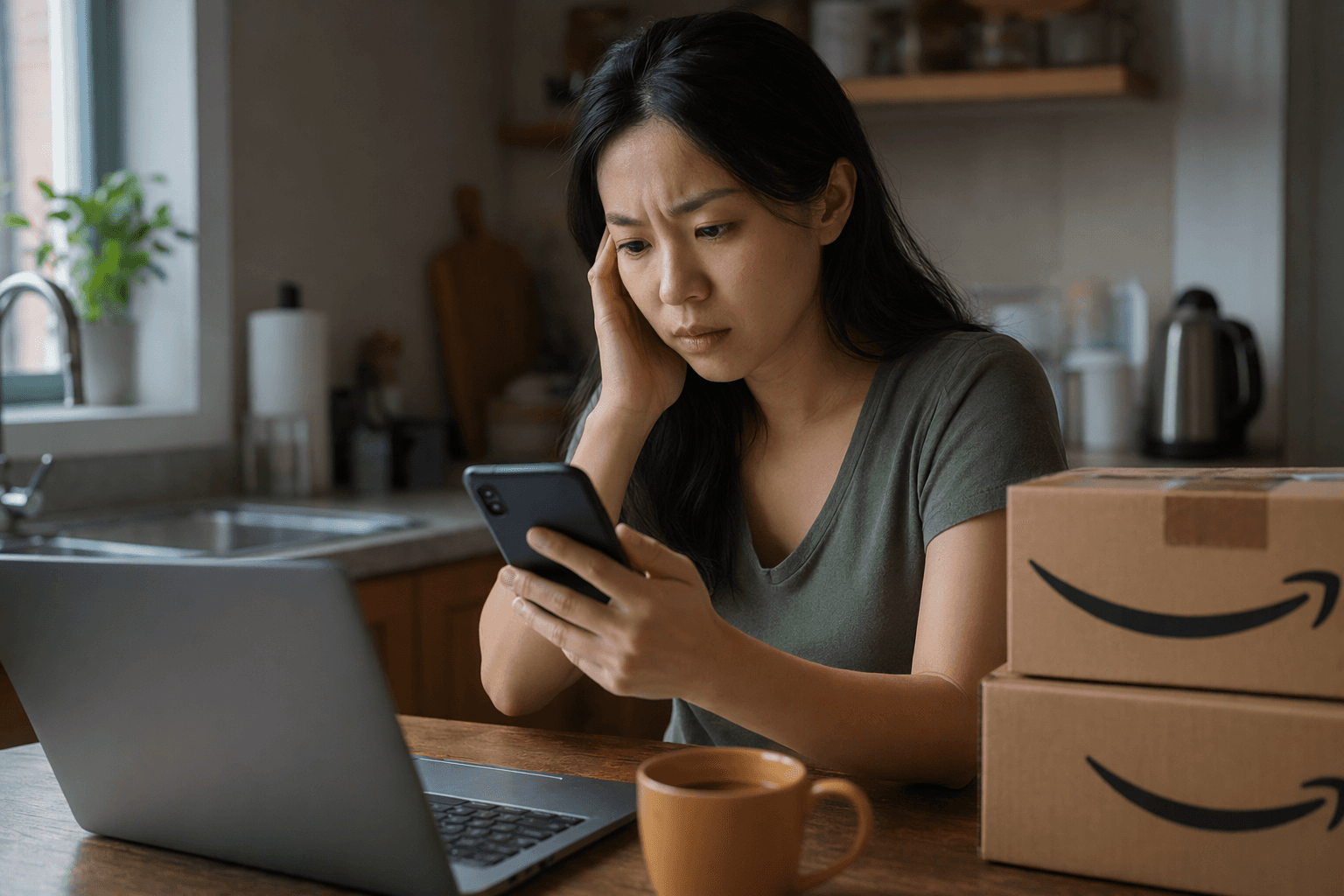
Amazon is facing a proposed class-action lawsuit from shoppers who say the company kept tariff-related price increases that should have been returned once the Supreme Court ruled Donald Trump’s tariffs unlawful. The case asks a basic consumer-rights question: if a platform passed a government-imposed cost on to customers, who keeps the money after the legal basis for that cost disappears?
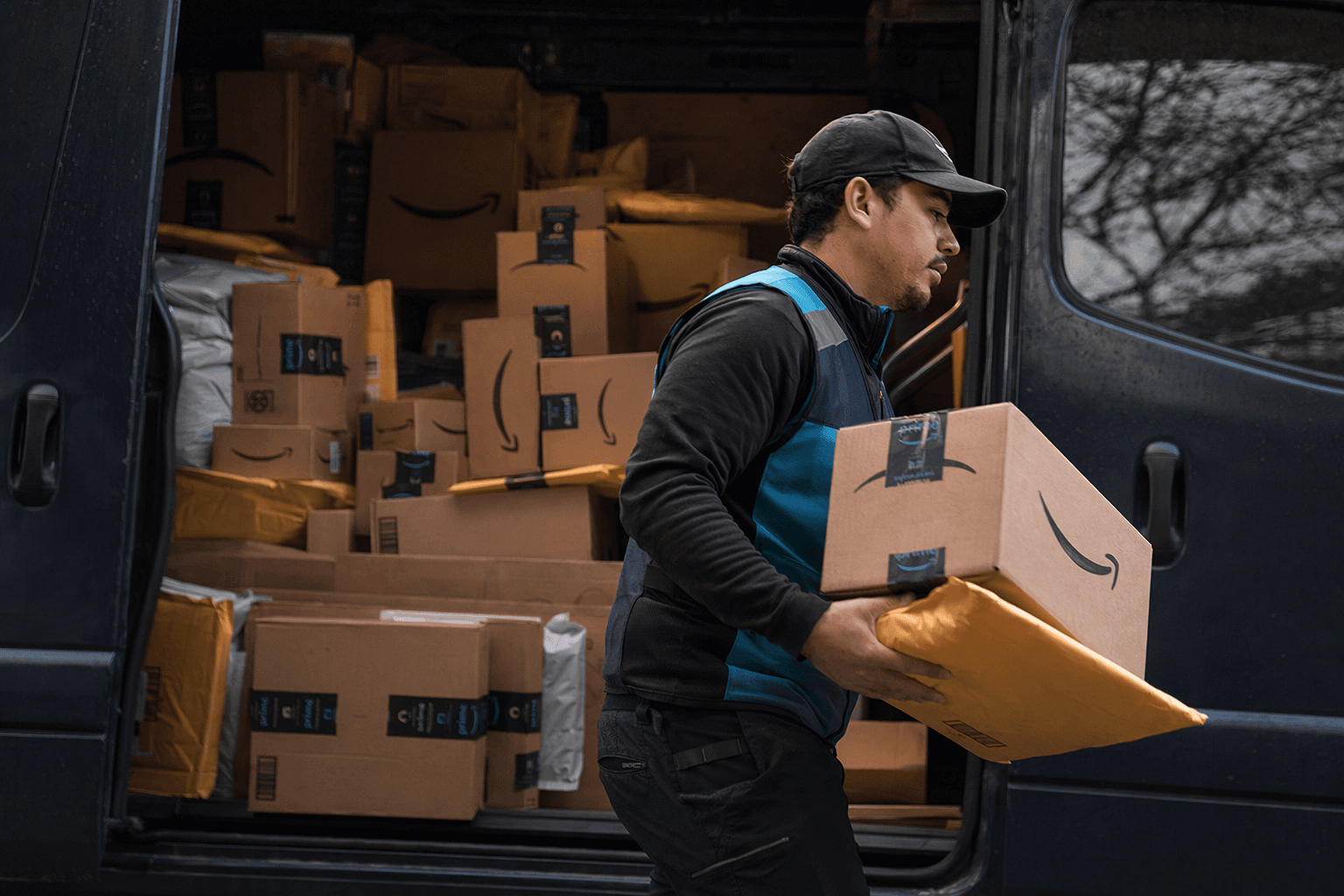
The complaint was filed May 15, 2026, in the U.S. District Court for the Western District of Washington in Seattle. It says Amazon.com Inc. increased prices on imported goods it sold directly to consumers beginning in February 2025, when the Trump administration started imposing tariffs under the International Emergency Economic Powers Act. The plaintiffs say Amazon later declined to pursue refunds after the Supreme Court struck down that tariff regime.
In a 6-3 decision on February 20, 2026, the court ruled in Learning Resources, Inc. v. Trump and Trump v. V.O.S. Selections, Inc. that IEEPA does not authorize the president to impose tariffs. That ruling opened the door for thousands of companies to seek refunds, and reporting on the decision said the affected tariff programs had already collected about $175 billion in revenue. The consumers suing Amazon argue that shoppers should not be left absorbing charges tied to a policy the court invalidated.
The lawsuit, backed by Hagens Berman, says Amazon increased the price of 1,200 low-cost goods by 5.2% during the tariff period, while Walmart lowered prices on the same items by nearly 2%. The complaint uses that comparison to argue Amazon passed tariff costs through to shoppers and then failed to give them back when the tariffs fell. Because consumers did not pay customs duties directly to the government, they cannot file tariff refund claims themselves, making the case an attempt to force a retailer to pass along the benefit of the Supreme Court ruling.
The complaint raises unjust enrichment and Washington state consumer-protection claims. It also alleges Amazon chose not to seek refunds because it wanted to curry favor with Trump, a charge that pushes the dispute beyond pricing and into politics. The case extends tariff litigation into the consumer market, where the central question is no longer just who imported the goods, but who ultimately gets to keep the money after an unlawful trade policy is unwound.
This article was produced by Prism’s automated news system from verified source data, official records, and press releases, then run through automated quality and moderation checks before publishing. The system is built and supervised by the people who set the standards it runs under. Read our full AI policy.
Did this article answer your question?
%3Amax_bytes(150000)%3Astrip_icc()%2FCertificate-of-deposit-2301f2164ceb4e91b100cb92aa6f868a.jpg&w=1920&q=75)