Trump’s China summit leaves farmers hopeful, but uncertain
Farmers saw a possible thaw with China, but tariffs, weak crop prices and rising fuel and fertilizer costs still pinched margins.

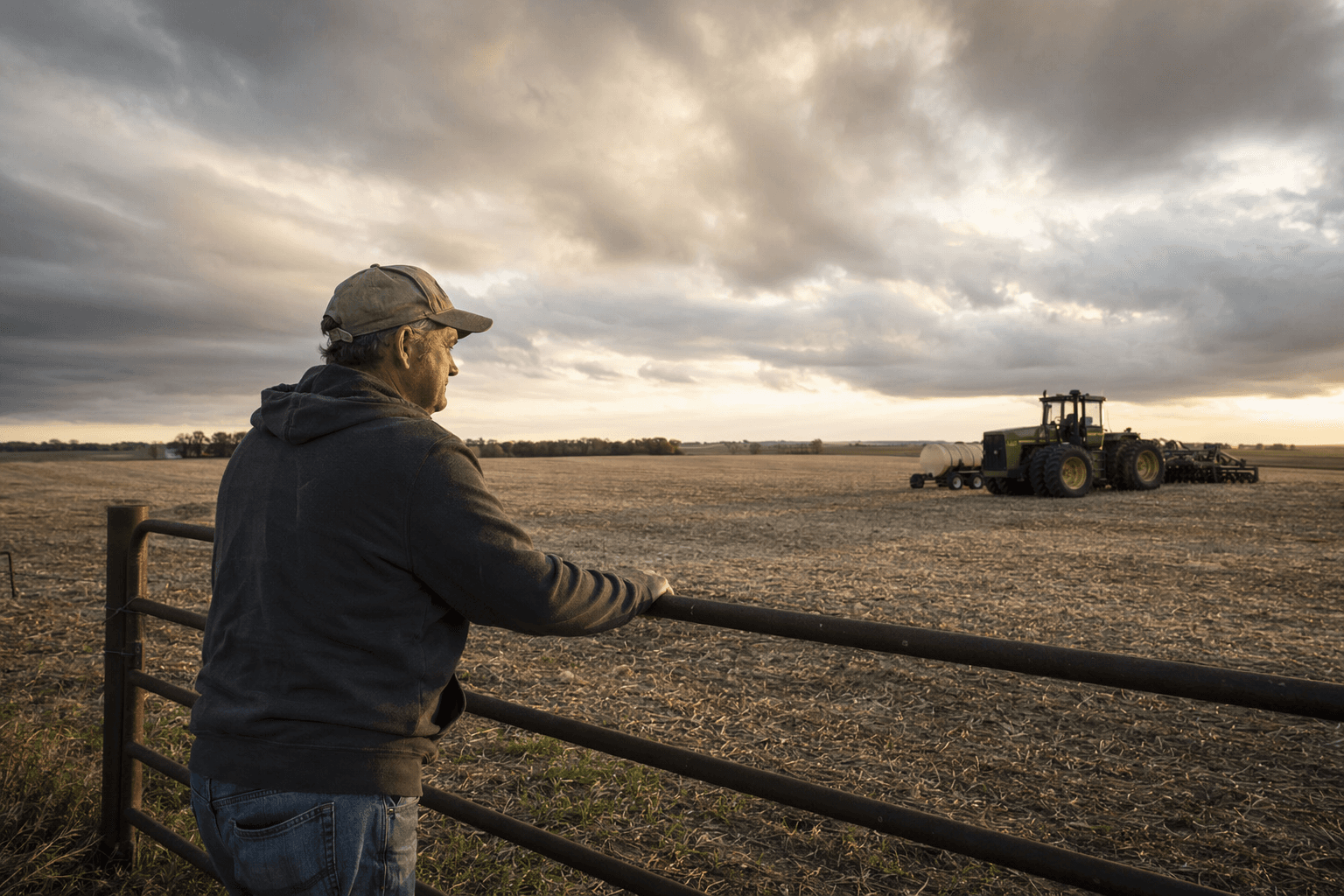
American farmers entered Donald Trump’s China summit with a familiar mix of hope and anxiety: a chance to reopen a market that once bought billions in crops, and no guarantee that the deal would be big enough to matter on the farm.
The pressure has built for years. China’s retaliatory tariffs on U.S. agricultural products began in 2018 and swept in more than 500 additional food and farm goods, including soybeans. The Congressional Research Service said about 99% of the value of U.S. food and agricultural exports was hit by those tariffs, a reminder of how thoroughly the trade fight reached into rural America. U.S. agricultural exports to China then climbed to a record $40.9 billion in 2022 before falling sharply as tensions deepened and buyers shifted sourcing.
After the summit, China and the United States agreed to expand agricultural trade through tariff reductions and to address non-tariff barriers and market access problems. That language gave farmers reason to hope for better access, especially in soybeans, the crop that has become the clearest bargaining chip in any truce. China is the world’s largest soybean importer, and the global market is concentrated in the hands of the U.S., Brazil and Argentina, which makes every diplomatic move carry real pricing consequences.
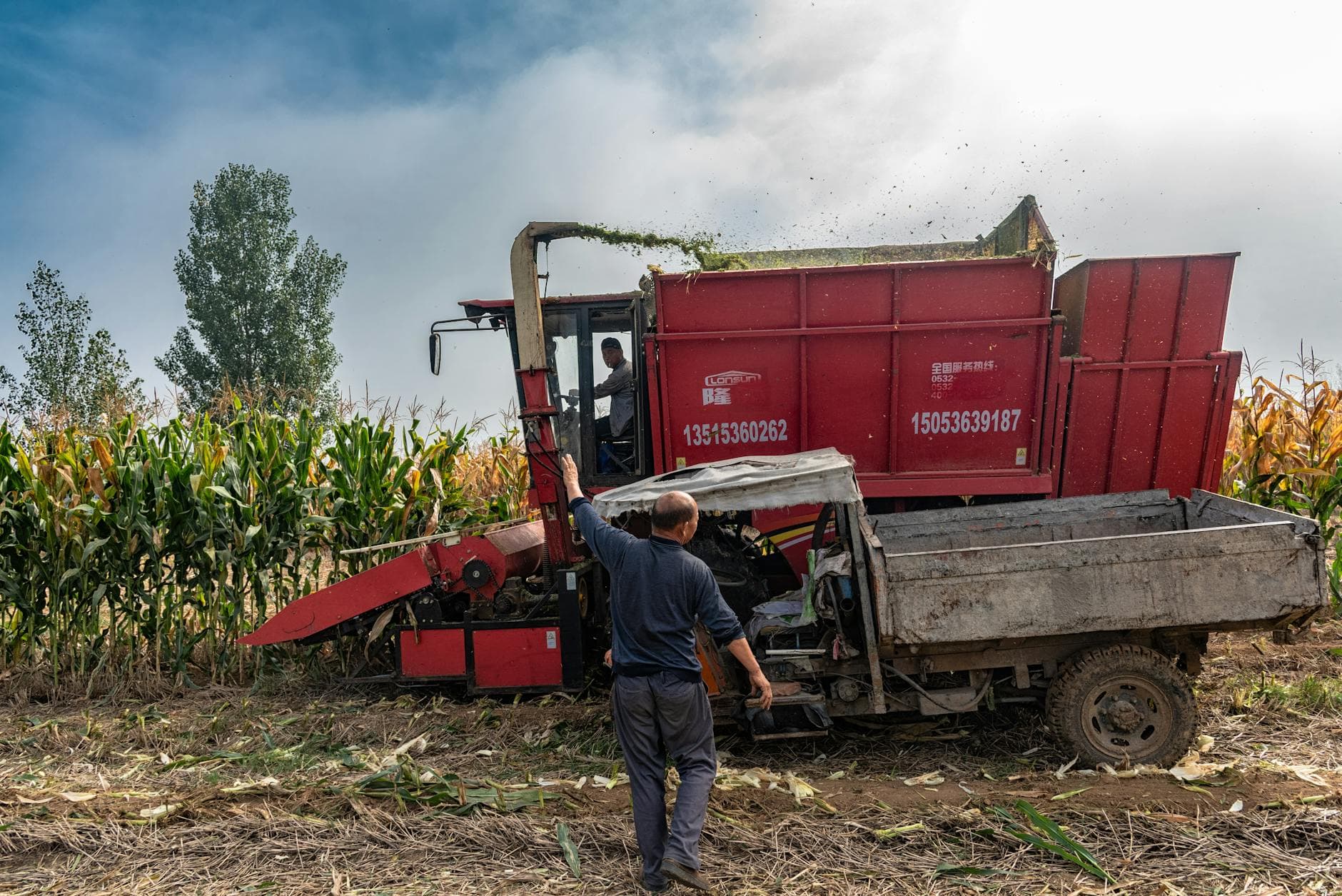
Still, the relief may be limited. Analysts and farm-policy observers said a narrower deal would not be enough to erase weak farm economics or restore the trade flows that were lost when China began diversifying suppliers. The Center for Strategic and International Studies has warned that longer-term structural shifts make a quick fix unlikely, even if Washington and Beijing can trim tariffs and clear some market barriers.
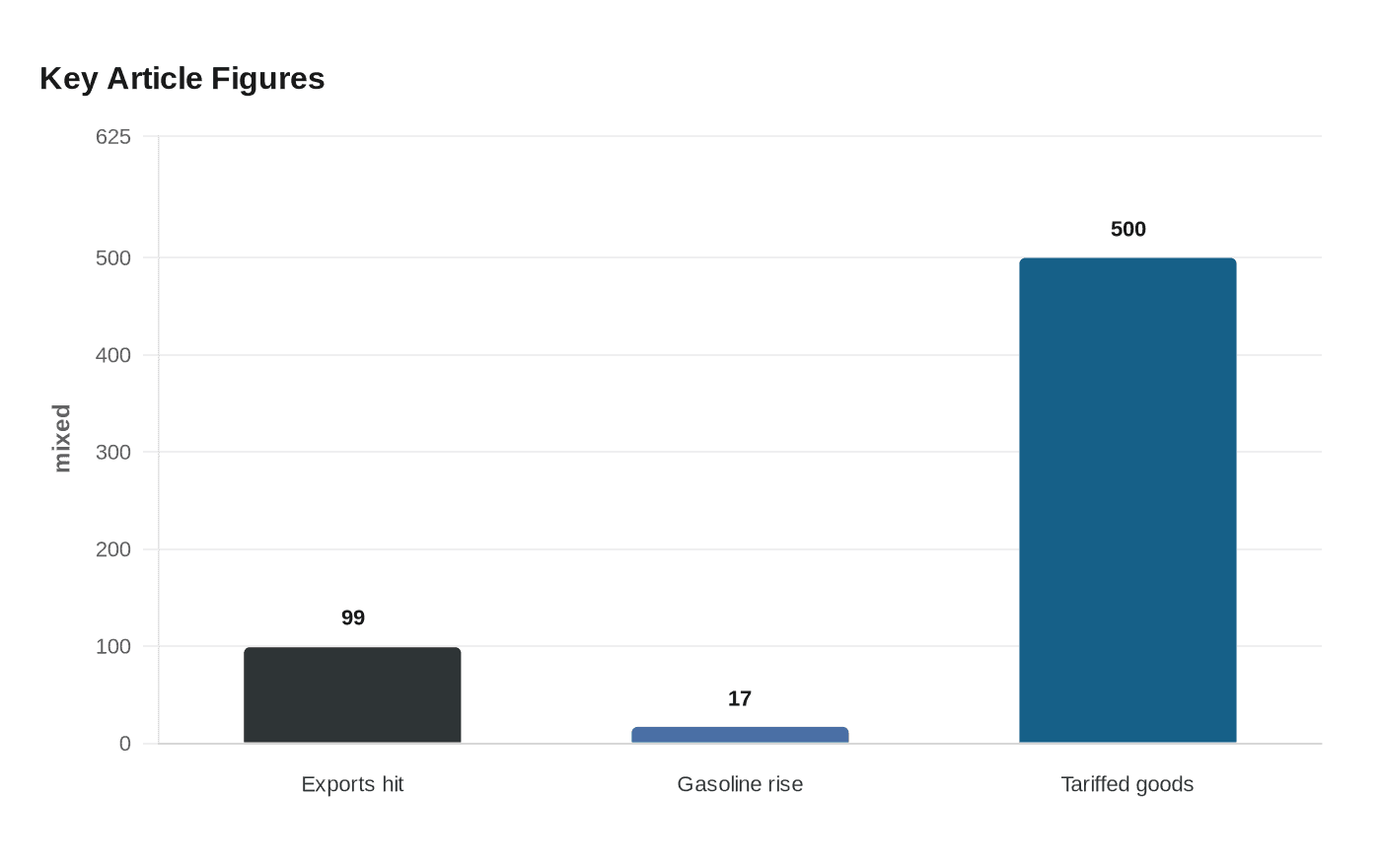
The other squeeze is coming from the war in Iran, where higher fuel and input costs are already reaching the countryside. Purdue University researchers said gasoline prices rose roughly 17% in the first two weeks of the conflict, with diesel following closely behind. For many growers, though, the larger worry is nitrogen fertilizer, which can move margins far more than fuel because it hits directly at planting and yield decisions. That leaves farmers making a difficult calculation: plant as usual and hope for stronger exports, or cut costs now and accept thinner returns later. The summit may have opened the door to more trade with China, but it did not remove the two pressures now shaping rural America, geopolitics and the cost of putting a crop in the ground.
This article was produced by Prism’s automated news system from verified source data, official records, and press releases, then run through automated quality and moderation checks before publishing. The system is built and supervised by the people who set the standards it runs under. Read our full AI policy.
Did this article answer your question?