Iran War Triggers Asia Energy Shock, China Gains Regional Influence
Fuel shortages from the Iran war pushed Asia into emergency mode as China turned energy relief into leverage with neighbors that once tried to hedge against it.
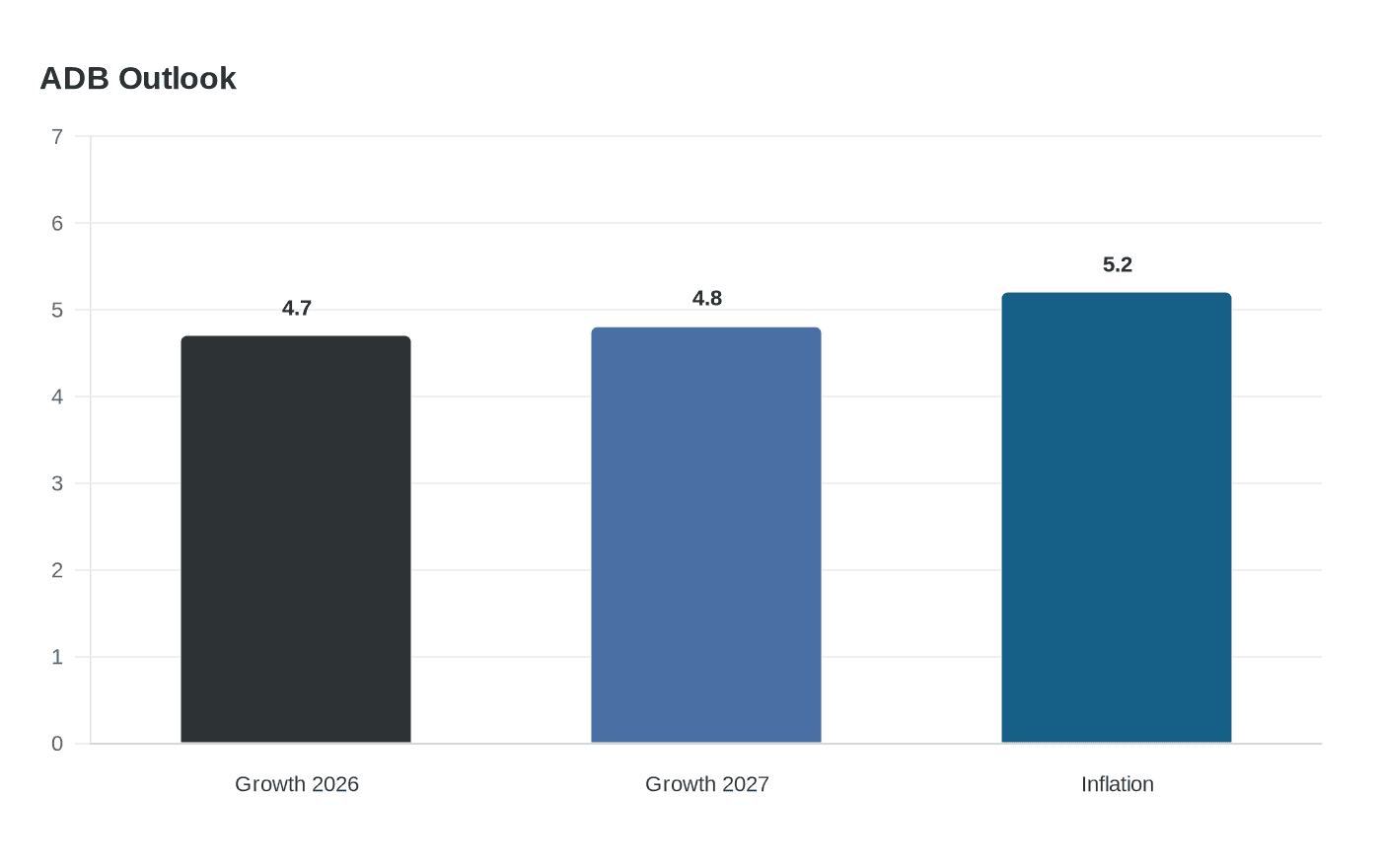
The war in Iran has turned Asia’s dependence on Gulf energy into a strategic trap. As shipping through the Strait of Hormuz came under threat, governments across the region scrambled for alternatives, while the Asian Development Bank cut its developing Asia growth forecast to 4.7% for 2026 and 4.8% for 2027 and raised its inflation outlook to 5.2%.
The pressure point is unmistakable. Asia takes about 85% of Gulf crude shipments, and oil imports to the region fell 30% in April from a year earlier to the lowest level since October 2015, based on Kpler data. The Strait of Hormuz normally carries around a fifth of global oil and LNG trade, and nearly all of those flows are tied to Asia, leaving countries from Southeast Asia to South Asia exposed to immediate price shocks, supply disruptions and fuel rationing.
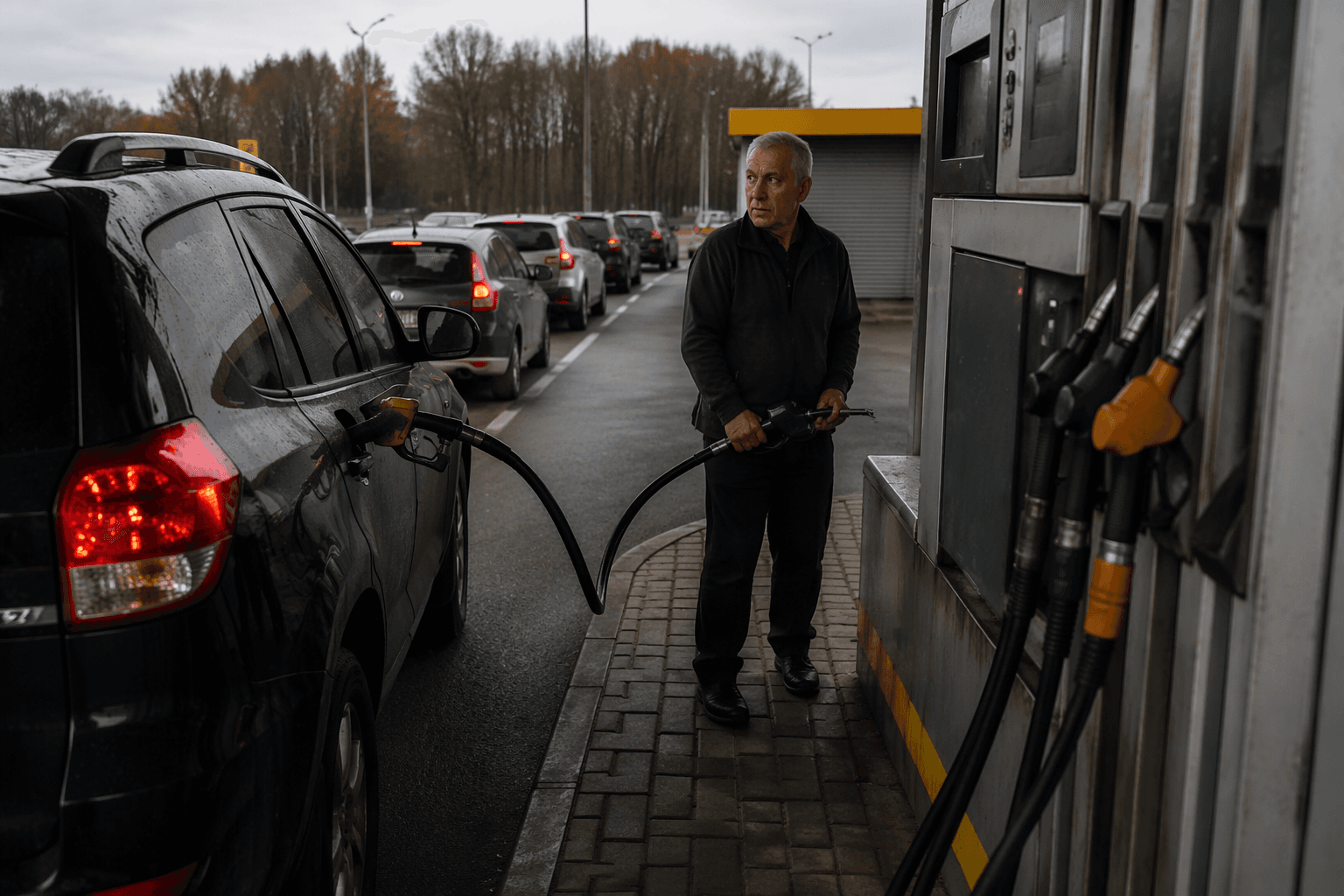
The fallout has already reached daily life. The Philippines declared a national energy emergency in March, with officials warning that grounding flights because of jet fuel shortages was a distinct possibility. Some government offices moved to four-day workweeks to cut fuel use. Thailand saw long queues at petrol stations and diesel shortages, while India’s prime minister warned Parliament that any disruption to Hormuz could hit energy security, shipping and trade. Across the region, governments have reached for subsidies, tax cuts, reserve releases and emergency diplomacy to keep economies moving.
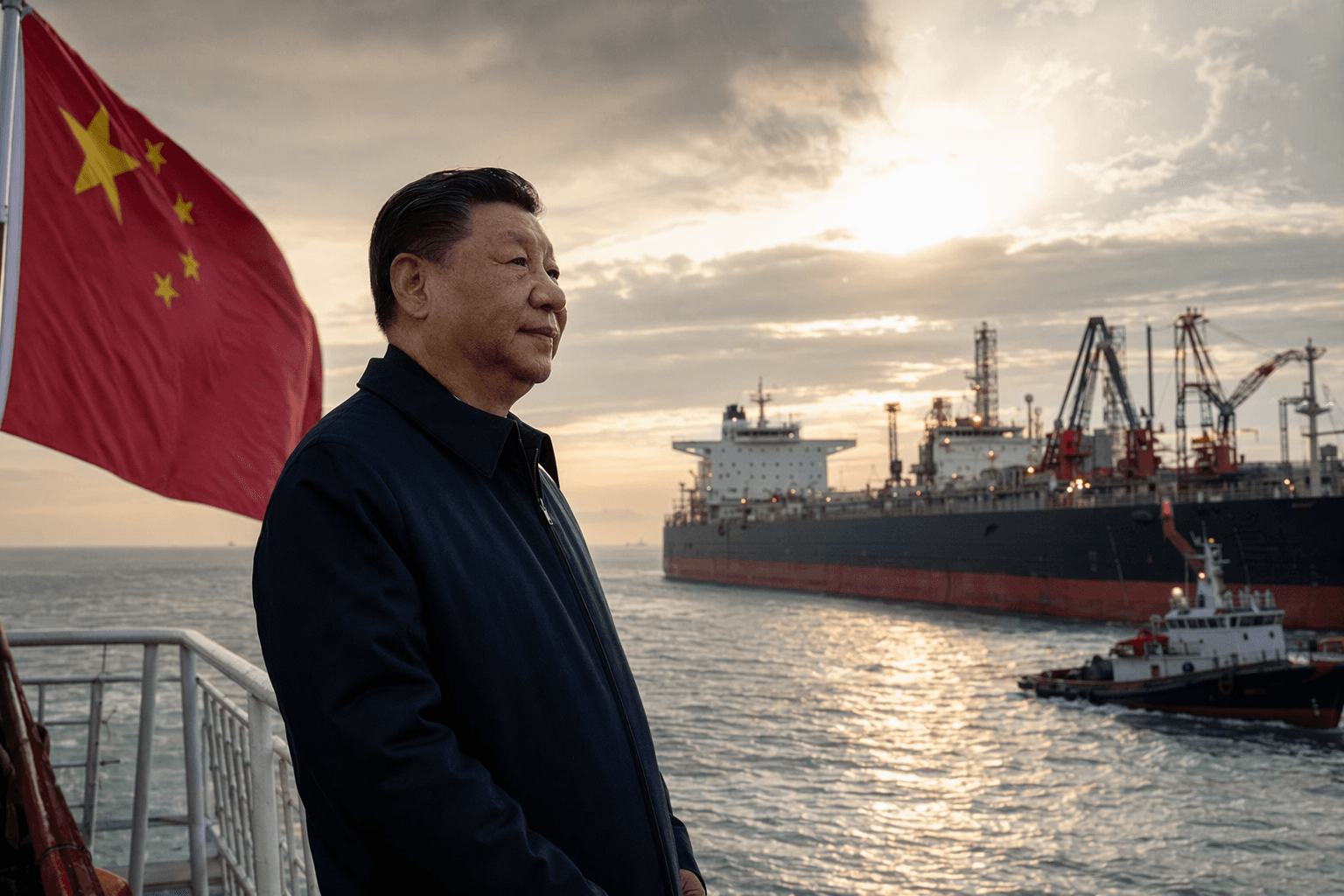
Beijing has moved quickly to turn that desperation into influence. China has offered to ease shortages for fuel-starved neighbors while pressing renewable energy technology, even as it protects itself with large reserves, a diverse supply chain and export curbs on fuel and fertilizer. Reuters reported that Beijing has made exceptions for some regional buyers, including Australia and Myanmar, giving China another way to decide who gets relief and on what terms. That makes China look, to many in Southeast Asia, like a steadier partner than Washington at a moment of fear and uncertainty.
The crisis arrived just as ASEAN leaders met in Cebu, the Philippines, where energy and food supply security were among the bloc’s top priorities. The war has sharpened the U.S.-China rivalry in Southeast Asia, but it has also widened Beijing’s opening: nations that once tried to balance against China now need fuel, financing and clean-energy hardware. Because China dominates supply chains for solar panels, batteries and electric vehicles, the push away from Middle Eastern oil could deepen Beijing’s long-term leverage just as Asia tries to buy itself more room to breathe.
This article was produced by Prism’s automated news system from verified source data, official records, and press releases, then run through automated quality and moderation checks before publishing. The system is built and supervised by the people who set the standards it runs under. Read our full AI policy.
Did this article answer your question?