Two drones from Russia crash in Latvia, one hits oil storage site
Two drones crossed into Latvia before dawn, one slamming an oil storage site in Rēzekne and forcing border towns into emergency lockdown.

Each new drone crossing on NATO’s northeastern flank is testing a different line, from civilian safety to alliance resolve. In Latvia, two drones entered from the direction of Russia and crashed on Thursday morning, one striking an oil storage facility in Rēzekne and pushing authorities to issue border alerts, close schools and raise the alarm across Latgale.
Police were called to the oil storage site on Komunāla Street in Rēzekne at about 3:30 a.m., when smoke was visible. Latvian authorities sent drone alerts at 4:09 a.m. local time and told residents near the Russian border to stay indoors. Schools were suspended for the day in Rēzekne, Rēzekne municipality and Ludza municipality as officials tried to gauge whether the airspace breach was an accident, a spillover from fighting in Ukraine or a more deliberate pressure tactic.
The National Armed Forces said early warning systems had picked up a sound similar to an explosion in the Krāslava region, and wreckage from the drone was later found. No further threat to civilians was identified. LSM said the drones entered Latvian airspace from the direction of Russian territory, but that did not necessarily mean they were Russian drones. Similar incidents have turned out to involve Ukrainian drones aimed at Russian targets, a reminder that the war’s air campaign can ricochet across borders even when the original target lies elsewhere.
The episode lands in a region already conditioned to treat such incursions as more than isolated accidents. On March 25, a drone struck the Auvere power station chimney in Estonia, in Ida-Viru County, without injuring anyone or damaging power infrastructure. Latvia later said debris recovered from that incident showed the drone was of Ukrainian origin, and that no civilians were injured and no civilian infrastructure was damaged. Those March 25 Baltic incidents occurred during a large Ukrainian drone attack on northwestern Russia, underscoring how strikes launched far from NATO territory can still spill into it.
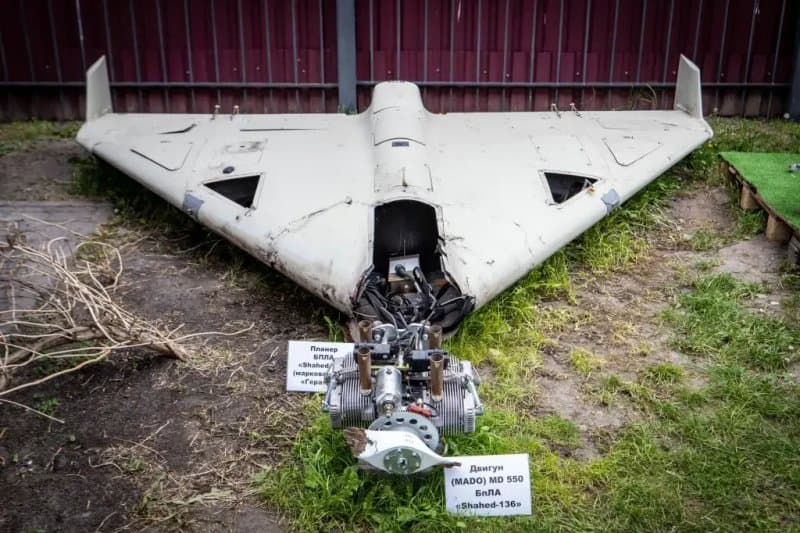
Latvia’s armed forces have said such incidents may continue while Russian aggression against Ukraine continues. They have also strengthened air-defense capabilities along the eastern border by deploying additional units, a sign that Riga sees this not as a one-off scare but as a recurring security challenge. The broader risk now is not only the physical damage from a single crash, but the gradual normalization of drone and debris incidents near NATO airspace, where even a small breach can trigger emergency measures and sharpen pressure on allies to define the threshold for a wider response.
This article was produced by Prism’s automated news system from verified source data, official records, and press releases, then run through automated quality and moderation checks before publishing. The system is built and supervised by the people who set the standards it runs under. Read our full AI policy.
Did this article answer your question?


