Trump meets Chevron and ExxonMobil officials to discuss Venezuela oil future
Trump met Chevron and ExxonMobil executives as Washington weighed whether Venezuela could reopen to U.S. oil money, sanctions relief and security guarantees.
Donald Trump met with top officials from Chevron and ExxonMobil to discuss Venezuela, keeping the country’s oil fields at the center of his energy and sanctions agenda. The meeting underscored how deeply commercial interests, foreign policy and energy security had become intertwined as Washington weighed its next move on Caracas.
No policy changes were announced after the discussion, but the fact that Trump brought both companies into the conversation signaled that Venezuela remained a live strategic question, not a passing diplomatic dispute. The White House had already been pressing major U.S. oil firms to consider opportunities there as part of a broader effort to revive production in a country with enormous reserves but years of political and commercial turmoil.
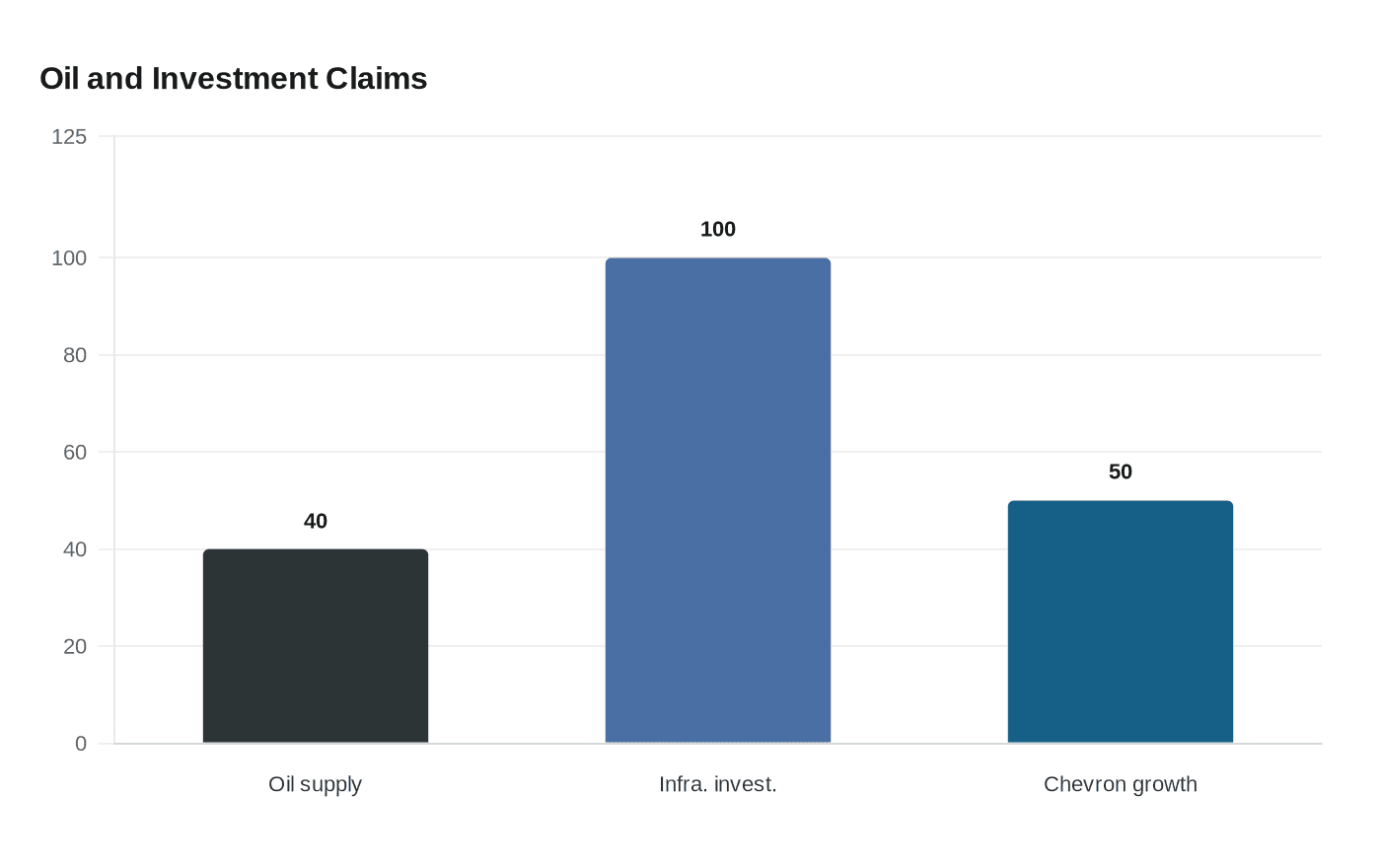
The latest meeting built on a series of earlier moves in January. Trump said then that Venezuela would provide the United States with 30 million to 50 million barrels of oil at market price. The White House also organized a January 9 meeting with U.S. oil executives about Venezuela, with Chevron, ExxonMobil and ConocoPhillips expected to take part. Trump said the effort to rebuild Venezuela’s oil infrastructure could require $100 billion in investment, and that security guarantees would be provided.
ExxonMobil chairman and chief executive Darren Woods, who attended the White House meeting, was blunt about the country’s risks. He called Venezuela “uninvestable” under current legal and commercial conditions, said Exxon first entered the country in the 1940s, and noted that the company had seen its assets seized there twice. After that skeptical response, Trump said on January 12 that he was “inclined” to keep ExxonMobil out of Venezuela.
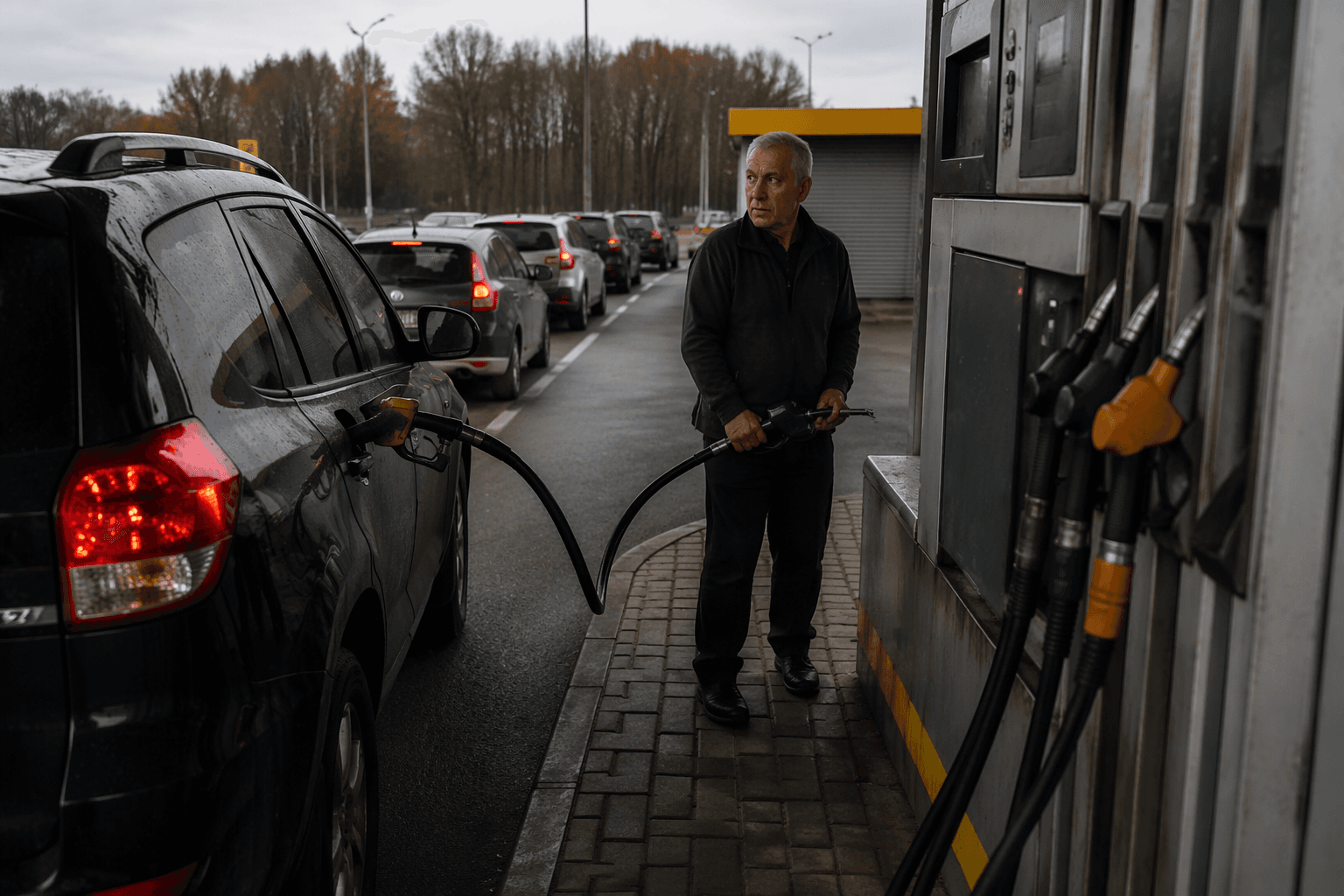
Chevron took a different line. After the January meeting, the company said it remained committed to Venezuela and was ready to help build a better future while strengthening U.S. energy and regional security. Mike Wirth said Chevron aimed to increase production in Venezuela by 50% over 18 to 24 months by improving existing infrastructure.
The stakes go beyond corporate expansion. Trump’s administration had already seized tankers carrying Venezuelan oil and sought to control sales of 30 million to 50 million barrels of previously sanctioned crude. Trump also signed an executive order on January 9 seeking to protect Venezuelan oil revenue held by the United States from being used in judicial proceedings. Together, those steps showed a more direct American hand in the country’s oil future, with Chevron and ExxonMobil now positioned at the center of a policy fight that could shape what comes next for Venezuela and for U.S. energy power.
This article was produced by Prism’s automated news system from verified source data, official records, and press releases, then run through automated quality and moderation checks before publishing. The system is built and supervised by the people who set the standards it runs under. Read our full AI policy.
Did this article answer your question?