Iran expected to answer U.S. war-ending proposal on Thursday
Iran was expected to answer a U.S. proposal that would pause the war without settling the nuclear file or the Strait of Hormuz, a sign the deal may be thin and fragile.
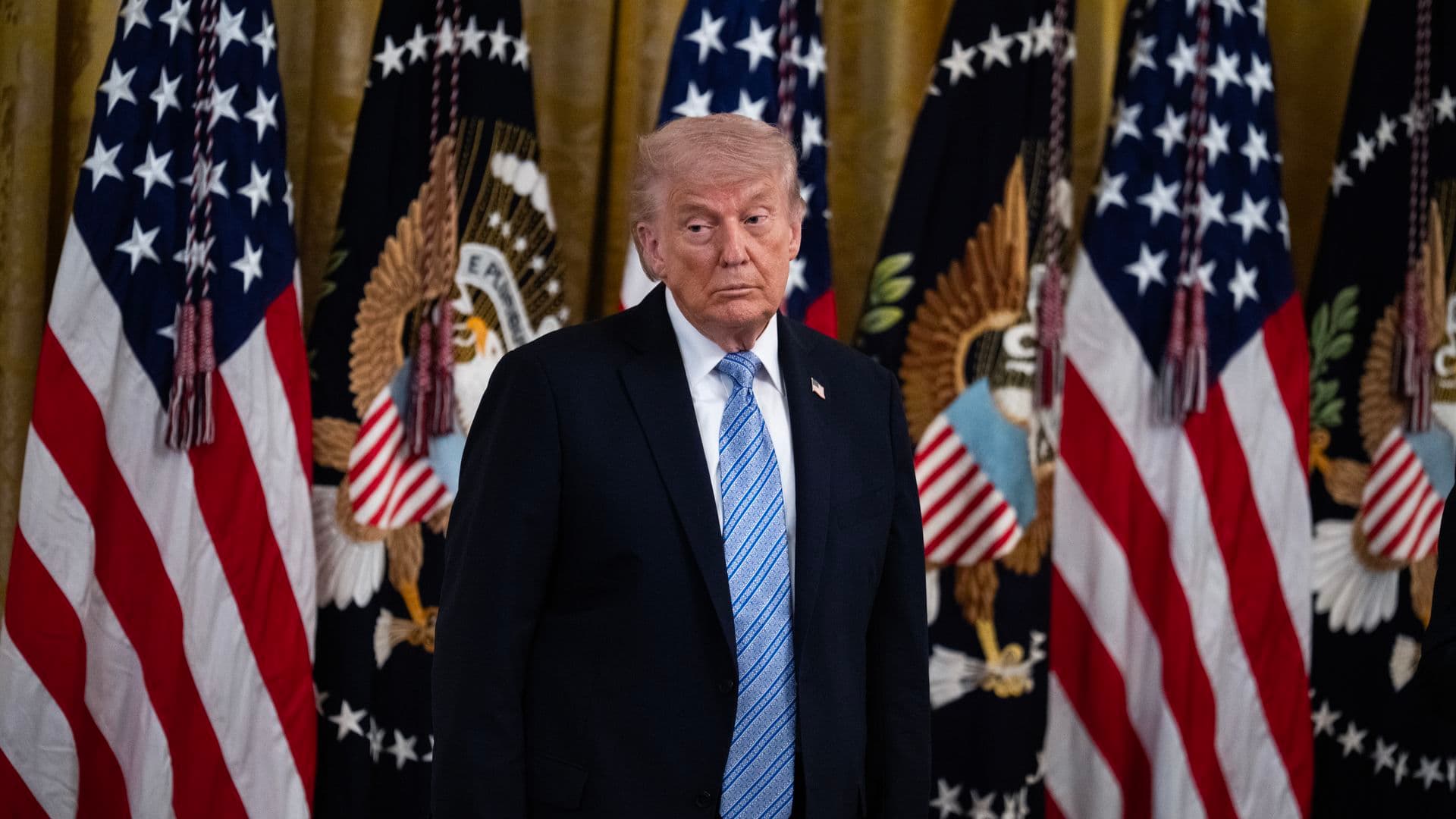
Iran was expected to deliver its answer Thursday to a U.S. proposal that would end the war while leaving the hardest questions unresolved, a sign that the talks had moved from battlefield pressure to a high-stakes test of whether diplomacy could hold. The draft under discussion would stop short of a full settlement and would instead set up a framework for later nuclear negotiations, even as it left open Iran’s nuclear program and the reopening of the Strait of Hormuz.
The proposal being weighed was described as a short memorandum, roughly 14 points, and the White House believed it was closing in on a one-page understanding. Iran was reviewing the new offer and planned to send its response through mediators, with Pakistan cited as one channel in the exchange. That makes the coming reply less a ceremonial statement than a measure of whether Tehran is prepared to accept a limited ceasefire-and-negotiation structure or push the dispute back toward force.
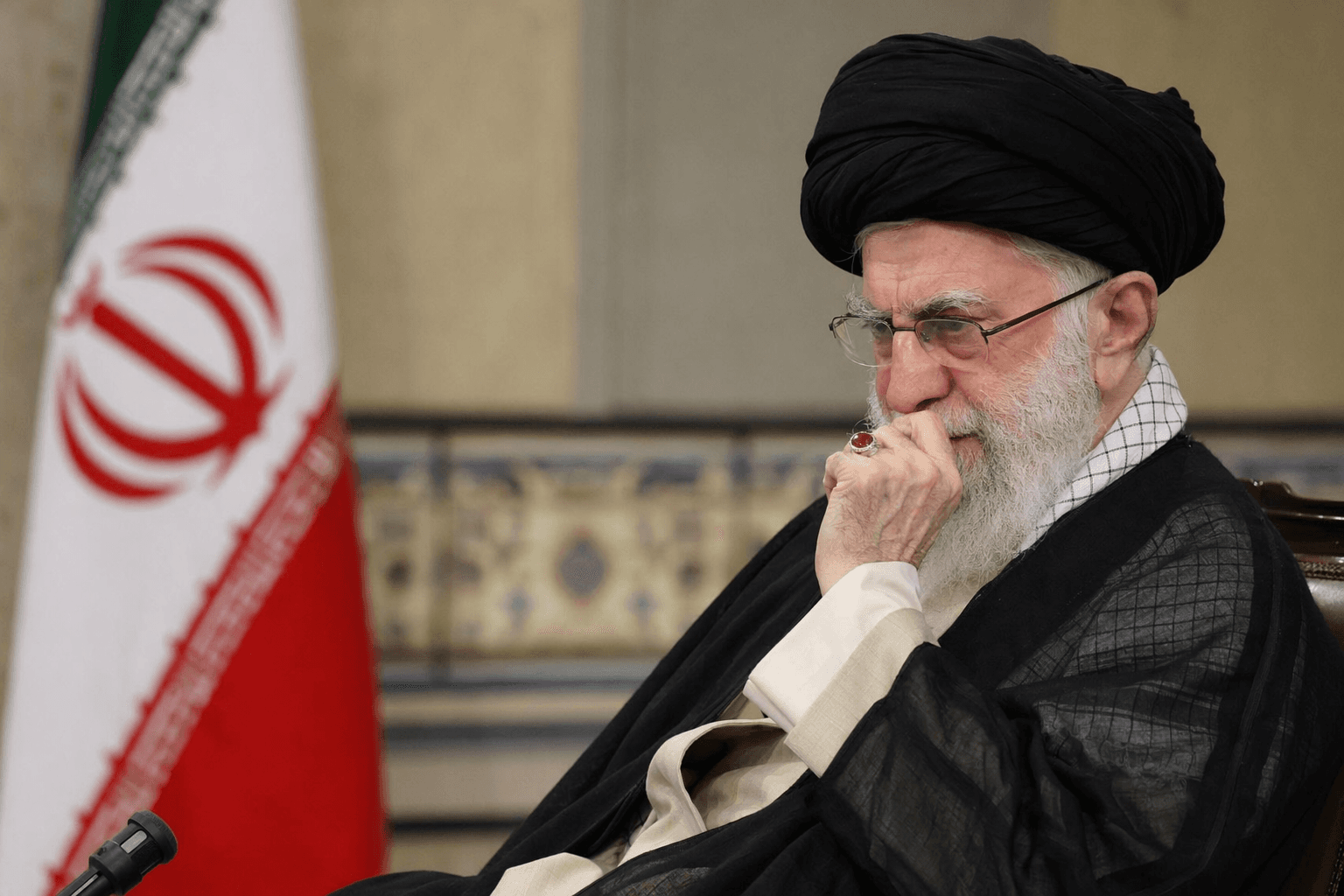
President Donald Trump kept the pressure on while the diplomacy advanced. He said the United States had had “very good talks” with Iran over the previous 24 hours, but he also warned that “bombing starts” again if no agreement is reached. Earlier attempts to schedule more meetings after one round of talks had failed, a reminder that the channels are still narrow and that the current opening remains fragile.
The stakes reach well beyond Washington and Tehran. The conflict has already disrupted energy supplies, roiled world markets and sharpened fears of a global economic downturn. If the proposal collapses, the immediate consequence would be another round of escalation risks across the Gulf, where any move around the Strait of Hormuz could rattle oil flows and raise pressure on U.S. military planners and regional allies in Tel Aviv and across the Gulf. If Iran answers with even a partial acceptance, the payoff would be narrower but significant: a pause in fighting, a framework for harder talks and a chance to see whether both sides can turn diplomatic theater into a working ceasefire.
This article was produced by Prism’s automated news system from verified source data, official records, and press releases, then run through automated quality and moderation checks before publishing. The system is built and supervised by the people who set the standards it runs under. Read our full AI policy.
Did this article answer your question?