Iran warns it could enrich uranium to weapons-grade after attack
Tehran threatened to push uranium to 90% after any new strike, raising the stakes around a stockpile of more than 400 kg already enriched to 60%.
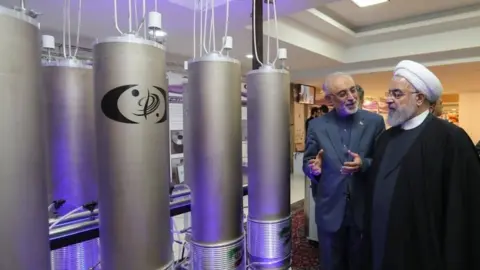
Iran is warning that another attack could drive it toward 90% uranium enrichment, a threshold widely treated as weapons-grade and a sharp signal that the nuclear standoff remains far from settled. The message landed as Donald Trump said the ceasefire with Iran was "on life support" after rejecting Tehran’s response to a U.S. proposal, underscoring how fragile the political channel has become.
Ebrahim Rezaei, the spokesman for Iran’s parliamentary national security and foreign policy commission, said one option after another strike would be to move to 90% enrichment and that lawmakers would review the issue in parliament. The statement matters because it is not just another warning line. It suggests Iranian officials are keeping the most alarming nuclear step available as both a deterrent and a bargaining chip, while signaling to Washington and Israel that military pressure could carry direct proliferation consequences.
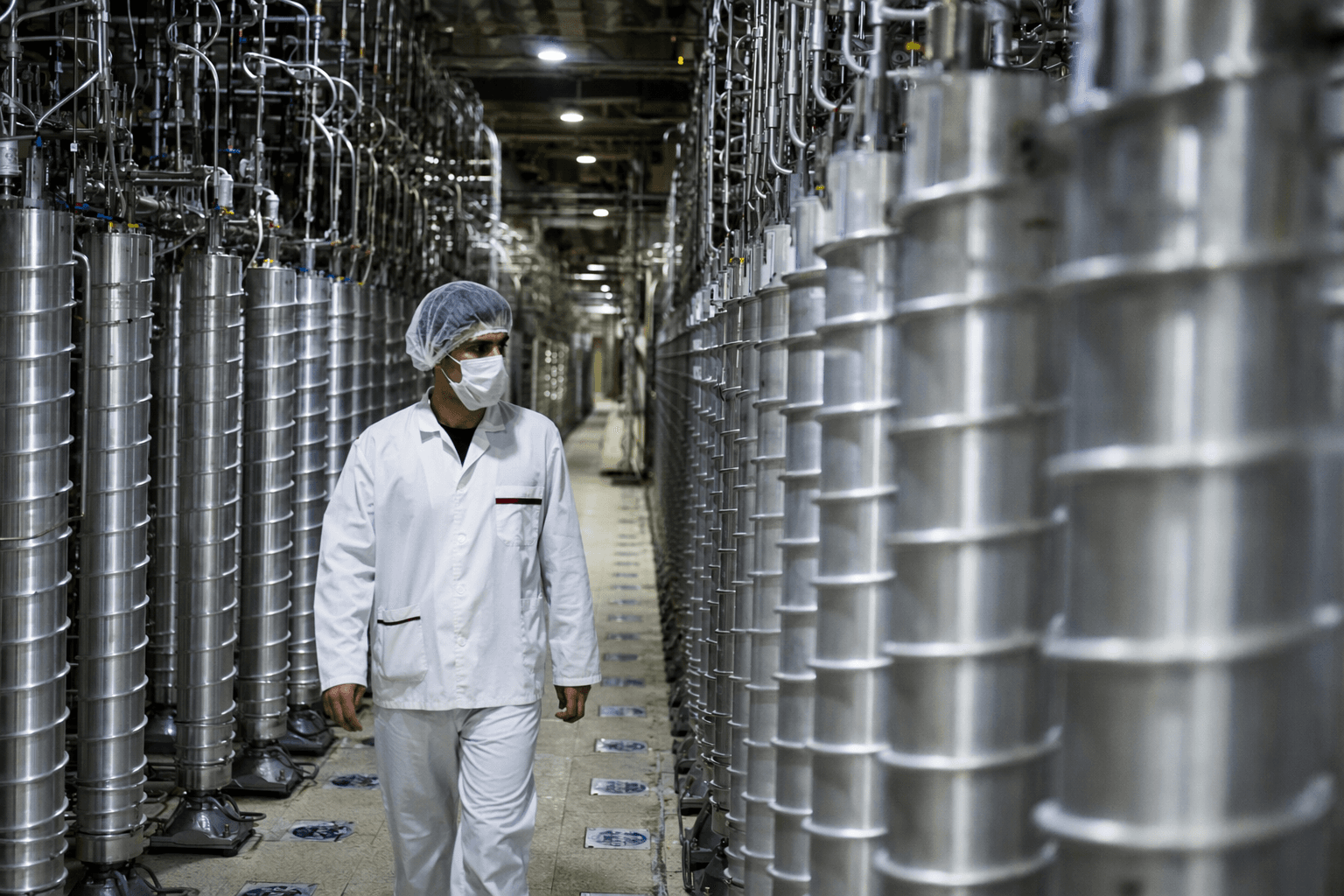
The technical distance between what Iran already has and 90% is far smaller than the work required to get from natural uranium to 60%. Arms-control analysts say moving material from 60% to 90% requires far less separative work than the earlier stages of enrichment, which is why a stockpile already above 400 kilograms of uranium enriched to 60% has drawn such concern. The International Atomic Energy Agency said it last verified that stockpile a few days before the 13 June 2025 strikes, and its formal safeguard report for 17 May 2025 put Iran’s total enriched uranium stockpile at 9,247.6 kilograms.
The warning also lands against a backdrop of damage claims and unresolved accounting. The IAEA said Israeli strikes on 13 June 2025 hit the Natanz Fuel Enrichment Plant, including the above-ground Pilot Fuel Enrichment Plant where Iran had been producing uranium enriched up to 60% U-235. The agency has said its inspectors remained in Iran and were ready to verify inventories again, especially the 60% stockpile, while Director General Rafael Grossi told the United Nations Security Council that any agreement would require inspections to establish "facts on the ground."
That makes the latest threat look less like isolated rhetoric than escalation signaling in a still-open crisis. Washington wants Iran to move its highly enriched uranium abroad and renounce domestic enrichment; Tehran wants the nuclear issue handled later in the process. With the stockpile still partly unverified and the ceasefire under strain, the warning to go to 90% suggests the nuclear file remains tightly tied to the risk of another round of military action.
This article was produced by Prism’s automated news system from verified source data, official records, and press releases, then run through automated quality and moderation checks before publishing. The system is built and supervised by the people who set the standards it runs under. Read our full AI policy.
Did this article answer your question?


