Iran warns U.S. of sweeping retaliation if attacked - escalation risk rises
Iran’s foreign minister vows full retaliation if attacked, deepening regional tensions and raising new risks for energy markets and global supply chains.
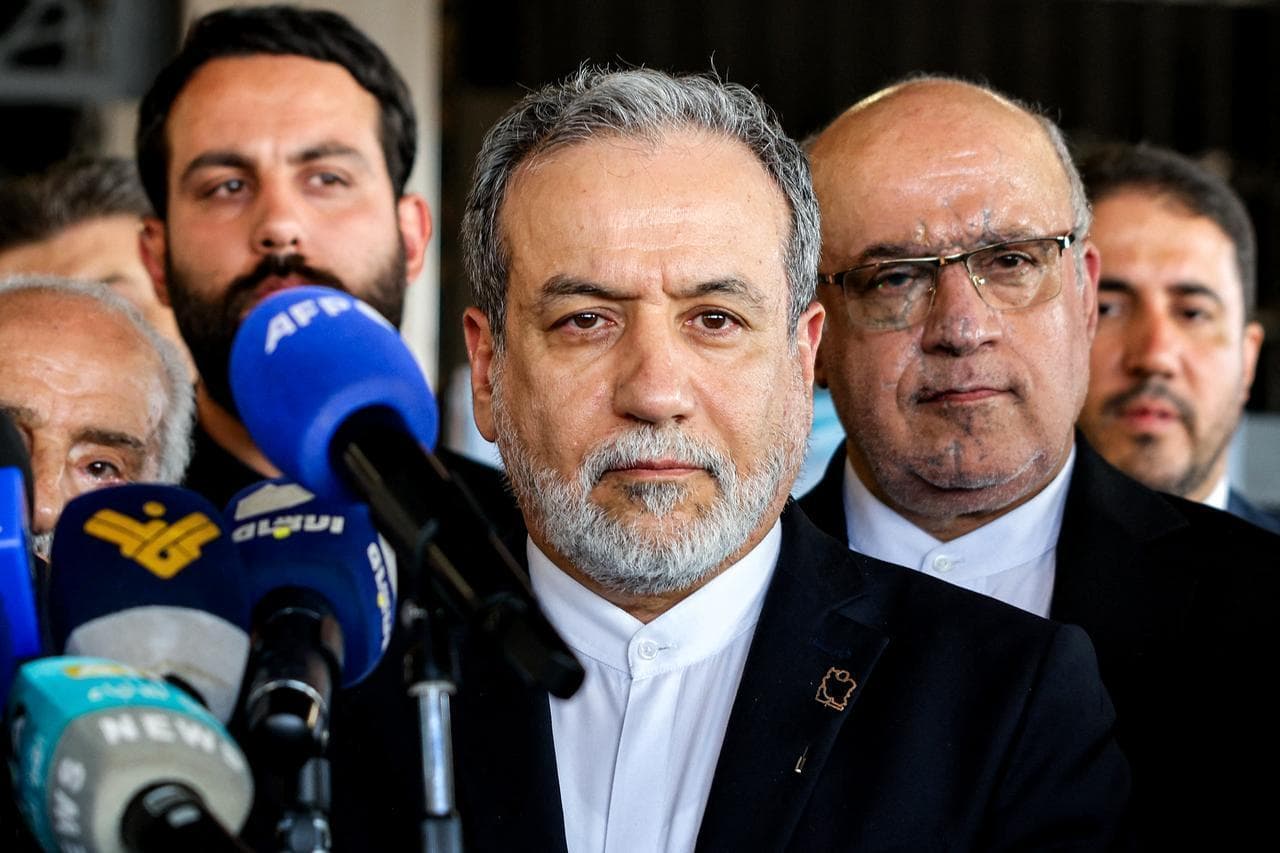
Iran’s foreign minister published a stark warning that the Islamic Republic "will be firing back with everything we have if we come under renewed attack," framing the pledge as a response to mounting unrest at home and growing threats from abroad. The declaration, carried in an opinion piece and amplified in interviews, signals a harder military posture and complicates efforts to prevent a wider regional confrontation.
Abbas Araghchi wrote that "unlike the restraint Iran showed in June 2025, our powerful armed forces have no qualms about firing back with everything we have if we come under renewed attack," and said he was conveying the position "not as a threat, but a reality I feel I need to convey explicitly, because as a diplomat and a veteran, I abhor war." He added that "an all-out confrontation will certainly be ferocious and drag on far, far longer than the fantasy timelines that Israel and its proxies are trying to peddle to the White House. It will certainly engulf the wider region and have an impact on ordinary people around the globe."
Araghchi sought to rebut allegations about the government’s crackdown, rejecting higher casualty tallies and saying fatalities were "in the hundreds" and that "hanging is out of the question." Those figures are at odds with other estimates that range from roughly 2,500 to more than 12,000 fatalities. Videos and eyewitness material that emerged despite Internet restrictions have been cited by observers as appearing to show security forces using live fire against demonstrators; those images were not addressed in Araghchi’s piece.
The minister also invoked the June 2025 12-day conflict with Israel as context for Tehran’s threat of retaliation, saying Iran had exercised restraint during that war but would respond differently to any future attack. Iran’s senior military leadership has warned of unprecedented destruction, saying the country has "never faced this volume of destruction," and a senior Iranian official informed regional governments that "U.S. bases in those countries will be attacked" if the United States targets Iran. Direct contacts between Araghchi and the U.S. special envoy have been suspended.

The escalation carries immediate economic consequences. Roughly one-fifth of the world’s seaborne oil shipments transit the Strait of Hormuz, and explicit threats to U.S. facilities and regional escalation raise the risk of supply disruptions, higher freight and insurance costs, and a surge in the regional risk premium. Markets tend to price in such shocks quickly through energy futures, shipping rates and currency moves in Gulf markets; the prospect of protracted fighting could prompt investors to re-price longer-term exposures to Middle Eastern assets and accelerate diversification of global energy sourcing.
Policy choices in Washington and among Gulf partners now face tougher trade-offs. Military options risk drawing in allied bases named as potential targets; diplomatic disengagement reduces pathways for de-escalation and raises the chance of miscalculation. International condemnation of the crackdown has already been strong, with foreign ministers describing the repression as among "the most violent" in Iran’s recent history.
A sustained period of heightened tension would likely have lasting effects on defense spending in the region, energy investment decisions and the pace at which buyers shift toward alternative suppliers and strategic reserves. For markets and policymakers alike, the immediate imperative is to contain the political spiral while preparing for the real economic costs of a wider confrontation.
This article was produced by Prism’s automated news system from verified source data, official records, and press releases, then run through automated quality and moderation checks before publishing. The system is built and supervised by the people who set the standards it runs under. Read our full AI policy.
Did this article answer your question?


