Iranian Missiles Breach Israel's Air Defenses, Strike Negev Residential Neighborhoods
Two Iranian ballistic missiles hit towns near Israel's nuclear site, injuring over 150 as cluster munitions struck Tel Aviv, exposing gaps in Israel's missile defense.
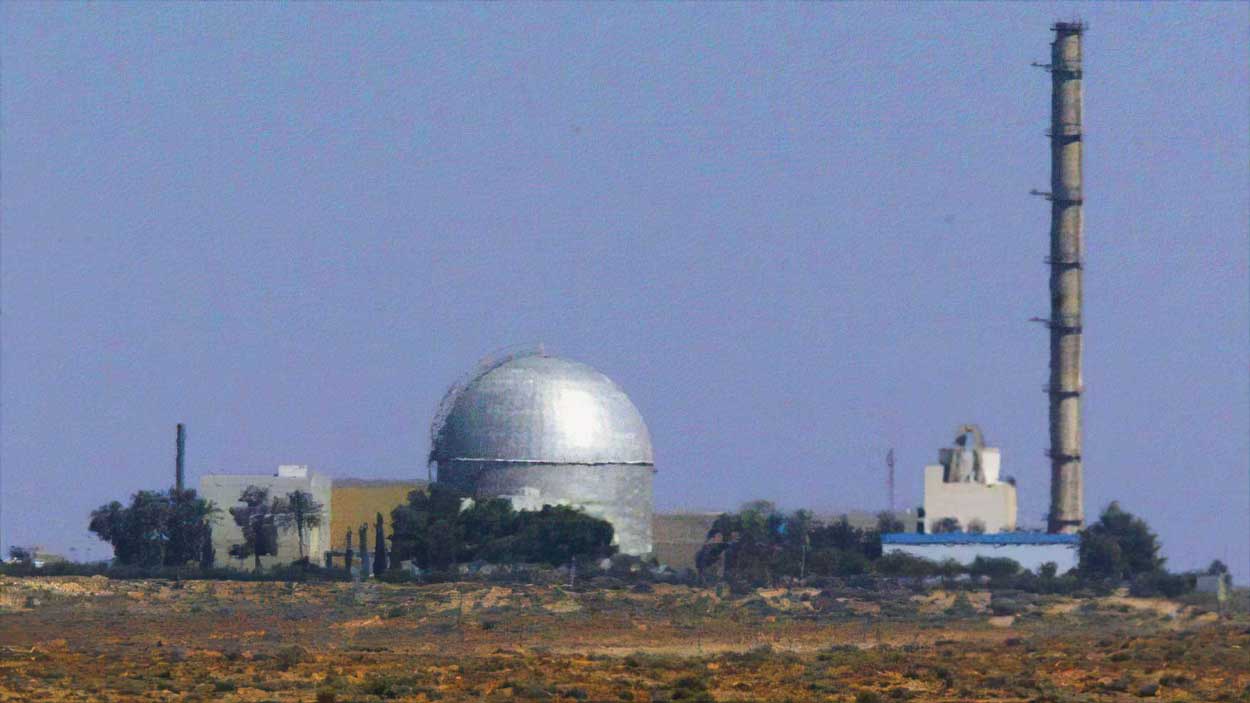
Two Iranian ballistic missiles crashed into residential neighborhoods in the Negev Desert towns of Dimona and Arad on Saturday night, striking about three hours apart and evading Israel's vaunted air defenses in what military officials acknowledged was a significant interception failure. A separate barrage struck Tel Aviv with cluster munitions, injuring at least seven people and damaging homes and roads, with emergency services reporting multiple bomblet impact sites that raised fears of wider casualties.
The Times of India reported more than 150 people were injured in Dimona and Arad combined. Both towns sit near a heavily guarded nuclear facility in the Negev, and even battle-hardened Israelis seemed rattled by the scenes of destruction that followed.
The Israeli military admitted it had tried to intercept the missiles but that the attempts failed. Officials said they are investigating what went wrong but have been tight-lipped about the details. The Israeli Air Force, for its part, insisted the interception failures were coincidental and denied any systemic flaws in the country's multilayered defense architecture, citing a 92 percent success rate across its operations.
That claim has done little to quiet the discomfiting questions now swirling around Israel's ability to protect civilians as the conflict with Iran intensifies. The failures renewed concerns that the military may be holding back on deploying its most costly and sophisticated interceptors, following reports that stockpiles were significantly drained during a 12-day war with Iran last year.
Those fears took on added weight when Lt. Gen. Eyal Zamir, the Israeli military's chief of staff, said Saturday that the current campaign against Iran might be only midway through. The remark, paired with the interception failures, deepened anxiety about whether Israel's missile defense inventory can sustain the demands of a prolonged conflict.
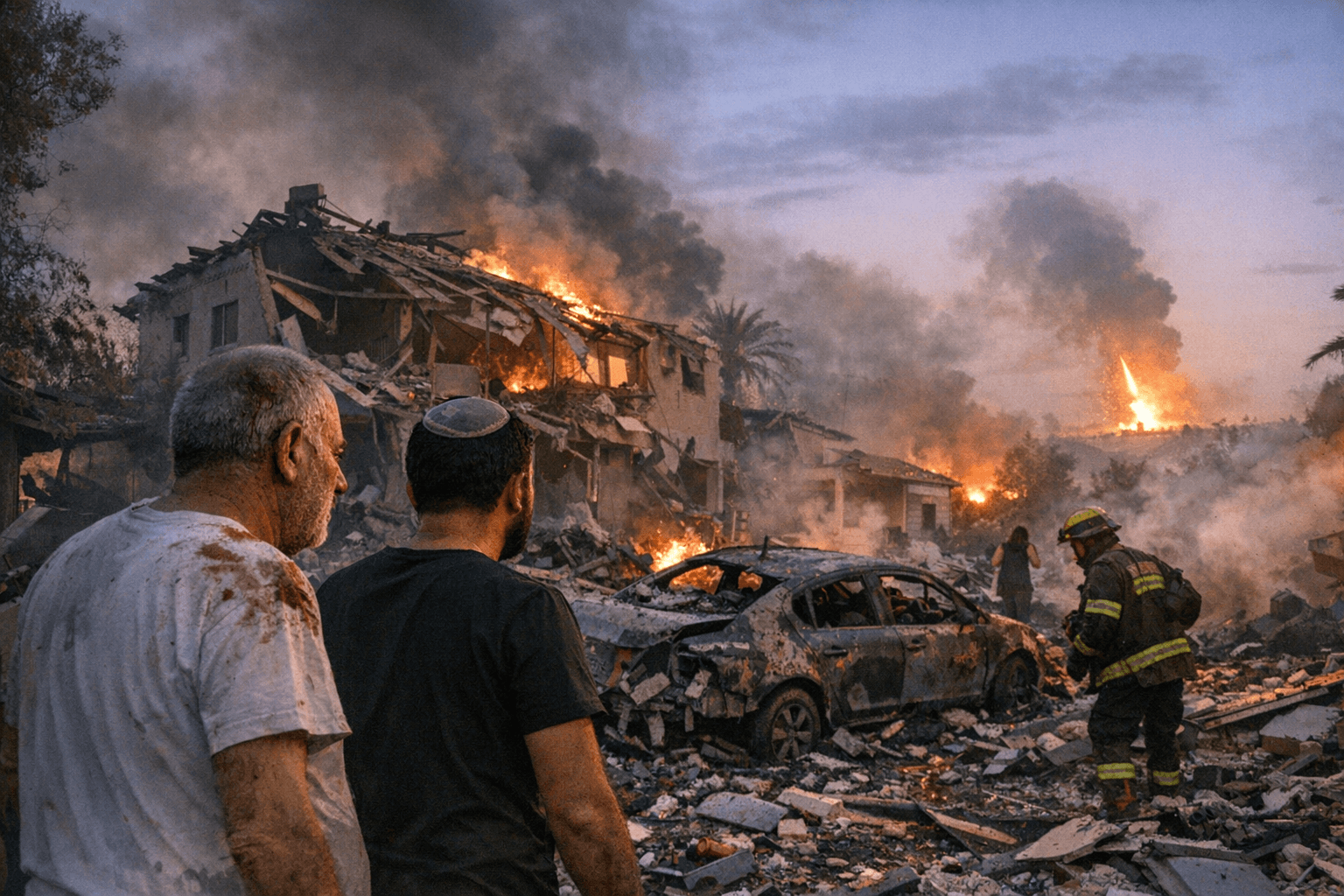
The use of cluster munitions in Tel Aviv represents a significant escalation in the munitions profile of the attacks. Cluster weapons disperse submunitions across a wide area, and the presence of multiple bomblet impact sites within a densely populated city raises serious humanitarian concerns. International humanitarian law restricts their use in civilian areas because of the indiscriminate harm they cause and the danger unexploded submunitions pose long after a strike.
The strikes exposed a growing tension at the heart of Israel's defense strategy: the trade-off between conserving high-end interceptors for future engagements and the obligation to protect civilian populations now. Each successful penetration of Israeli airspace carries not only immediate human costs but also a psychological toll on a public that has long counted on its missile shield as a near-absolute guarantee.
Israeli military investigators face pressure to explain, with specificity, which interceptors were fired, why they failed, and whether the 92 percent success rate the Air Force cites reflects the current threat environment or an earlier, less complex one. The rapid evolution of Iranian missile and drone capabilities, including the reported deployment of advanced Arash-2 drones targeting Ben Gurion Airport, suggests the threat is outpacing the defenses designed to stop it.
For residents of Dimona and Arad, those strategic calculations are abstract. What is concrete is the rubble in their neighborhoods, and the questions their government has not yet answered.
This article was produced by Prism’s automated news system from verified source data, official records, and press releases, then run through automated quality and moderation checks before publishing. The system is built and supervised by the people who set the standards it runs under. Read our full AI policy.
Did this article answer your question?


