Iranians fear harsher crackdown as regime emerges from war intact
After weeks of bombing, many Iranians feared the state would answer damage and isolation with more arrests, executions and surveillance.
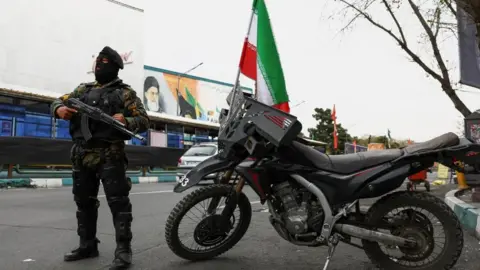
After weeks of U.S. and Israeli bombing, many Iranians were trying to stitch together a normal day again, reopening routines around damaged streets, unstable internet and a battered economy. What unsettled them most was not only the war’s physical toll, but the fear that a regime that survived intact would now tighten its grip at home.
That anxiety has grown as rights groups and U.N. officials describe a deeper crackdown. Human Rights Watch said on Feb. 4, 2026, that Iranian authorities had carried out executions on a scale unseen since the late 1980s and had conducted mass and arbitrary arrests. The Office of the United Nations High Commissioner for Human Rights said in October 2025 that the crackdown after the June 2025 airstrikes further constricted civic space and due process.
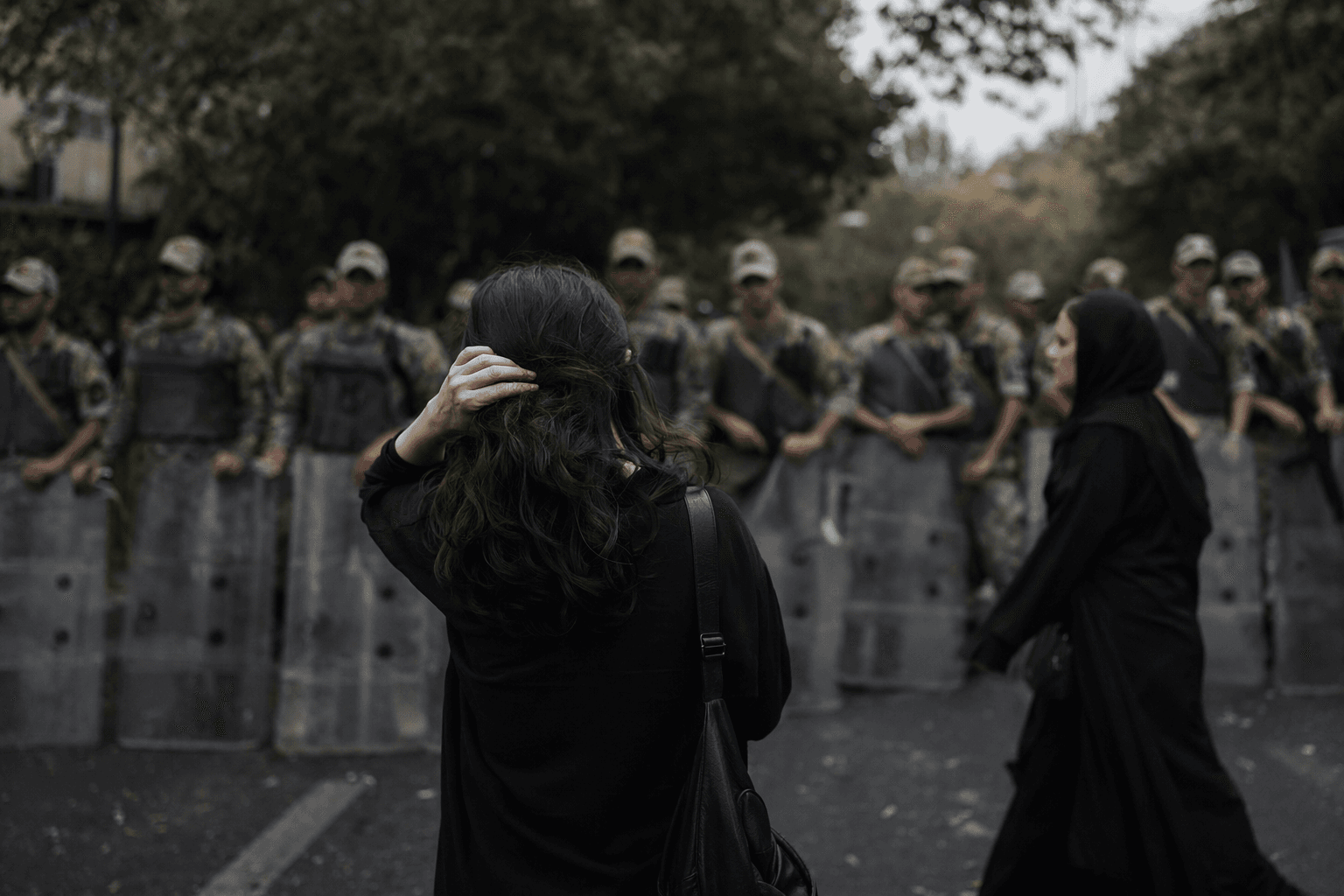
By late April, U.N. High Commissioner for Human Rights Volker Türk said at least 21 people had been executed and thousands more arrested, including people tied to the January 2026 protests, opposition groups and espionage accusations. Amnesty International said in July 2025 that Iranian authorities had intensified repression after the 12-day war with Israel. Rights advocates have compared the climate to the 1988 mass killings of political prisoners, a warning that postwar repression could become even more severe.
The political logic is plain to many observers in Tehran and beyond. Authorities have leaned on national-security rhetoric, arrests and executions to reassert control, deflect blame and deter dissent. With Ali Khamenei still at the center of power, Iran’s revolutionary theocracy has emerged from the conflict looking as entrenched as ever, even as the war exposed the strain of airstrike damage, internet cuts and worsening economic pressure.
For ordinary Iranians, that has sharpened the daily calculations of what to say, what to avoid and what to expect. Many now fear a harsher mix of surveillance, economic squeeze and punishment for criticism, rather than any easing of pressure. The result is a country trying to resume ordinary life while bracing for a state that appears more willing, not less, to use the war’s aftermath to deepen control.
This article was produced by Prism’s automated news system from verified source data, official records, and press releases, then run through automated quality and moderation checks before publishing. The system is built and supervised by the people who set the standards it runs under. Read our full AI policy.
Did this article answer your question?


