Iranians want peace, but leaders reject U.S. terms in talks
Tehran is bargaining as if it can wait out Washington. Iranians want relief, but not a settlement that looks like surrender.
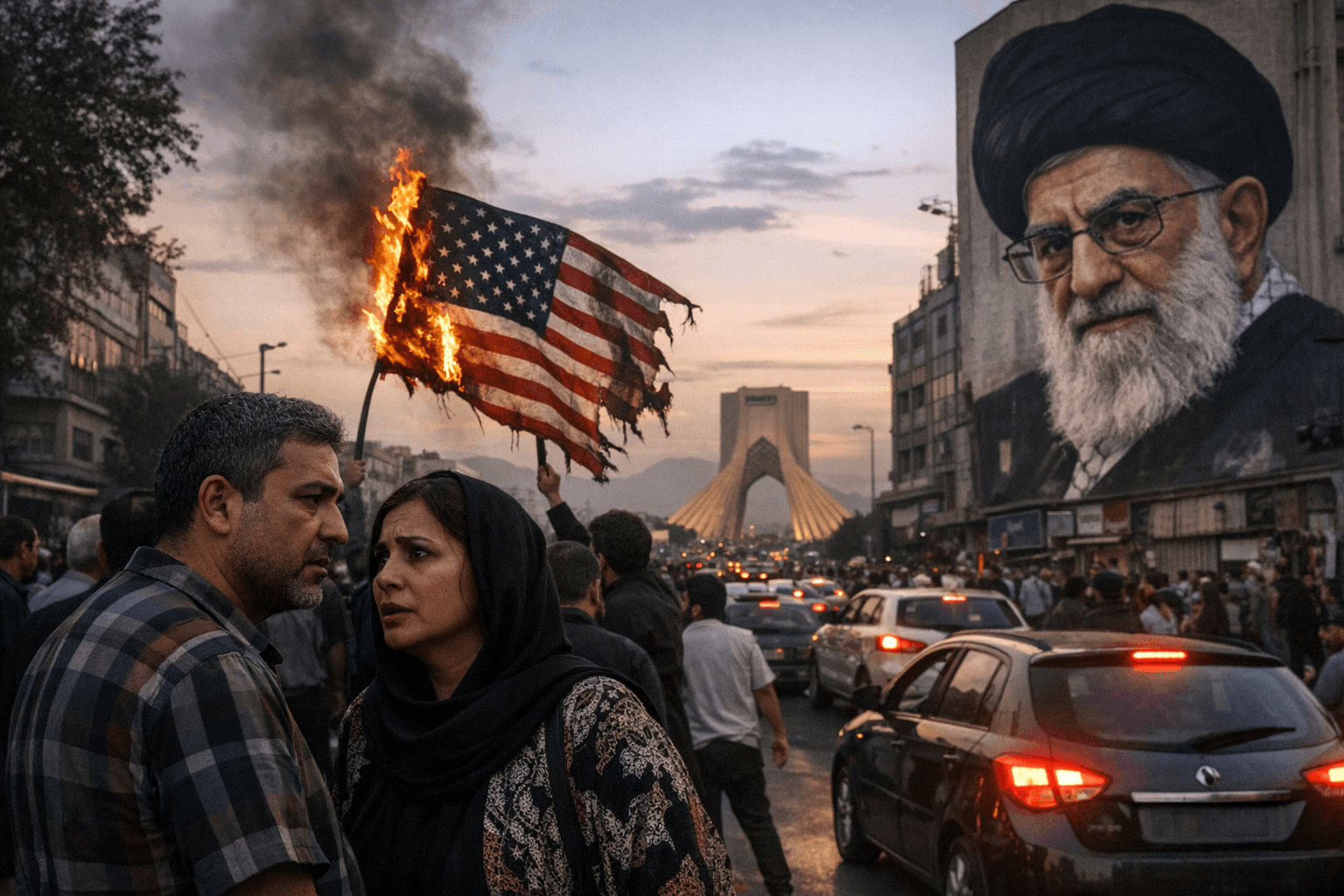
Tehran is not behaving like a capital that believes it has lost. That gap between outside expectations and Iran’s internal calculation is now driving diplomacy, and it is why the ceasefire and peace talks have remained so fragile even as many Iranians say they want an end to war.
The United States and Iran agreed to a two-week ceasefire on April 8, with Pakistan helping to mediate the talks, but the next round of negotiations quickly ran into the same core dispute: Iran wants sanctions relief and an end to bombing, while Washington has pressed for a longer suspension of nuclear activity and broader concessions. U.S. negotiators led by Vice President JD Vance left Pakistan on April 11 after more than 20 hours of talks without a deal.
Iran has already floated a suspension of nuclear activity for up to five years, according to reporting cited in recent coverage, but the proposal did not bridge the gap. The New York Times reported that Vance sought a 20-year suspension in the weekend negotiations, underscoring how far apart the two sides remained. Reuters has said the talks could resume in Pakistan, but the broader diplomatic channel still looks vulnerable to collapse if no agreement can be sold at home.
That domestic test matters because Iranian leaders are framing the conflict around resilience, not defeat. Lyse Doucet has said Iran is unlikely to buckle under Donald Trump’s threats, and that posture matches what current reporting has described in Iran itself: a public weary of war and sanctions, but unwilling to accept a settlement that looks like capitulation. Masoud Pezeshkian and other Iranian officials face pressure to preserve national dignity even as ordinary Iranians absorb the costs.
Those costs have mounted over nearly seven weeks of war that began on February 28. Airstrikes, a blockade of the Strait of Hormuz and the resulting shock to oil markets have intensified the stakes for both governments. Analysts say the fighting has exposed limits in Iran’s regional strategy and placed heavier pressure on ordinary Iranians, yet it has not produced the kind of strategic collapse that Washington and European capitals may have expected.
That is the central problem for U.S. policy. If Tehran does not believe it has been beaten, then diplomacy is not a search for surrender terms. It is a contest over who can claim resilience, and that makes a negotiated settlement far harder to frame on American terms.
This article was produced by Prism’s automated news system from verified source data, official records, and press releases, then run through automated quality and moderation checks before publishing. The system is built and supervised by the people who set the standards it runs under. Read our full AI policy.
Did this article answer your question?


