Iran’s hard-liners attack leaders over U.S. deal talks
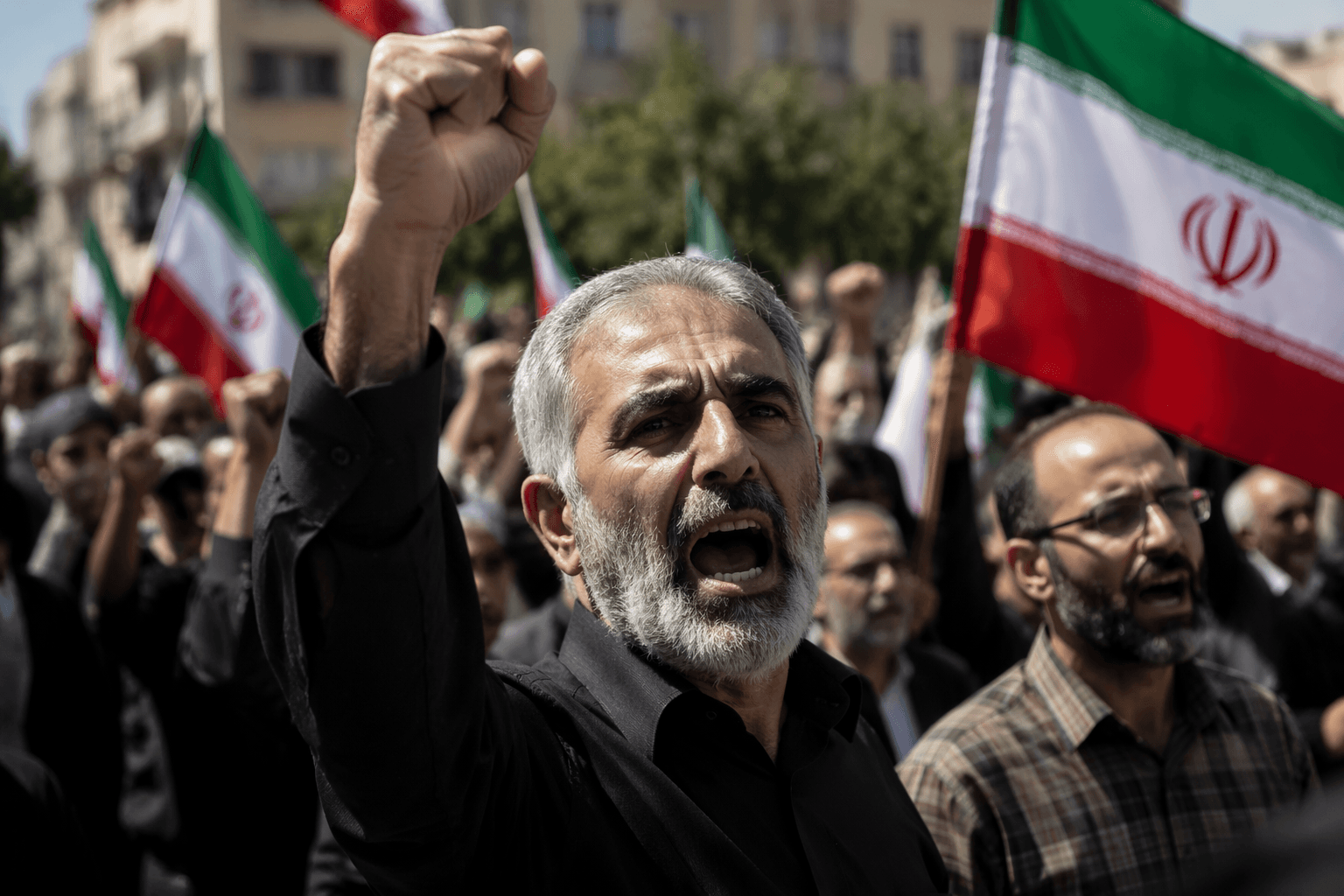
Hard-line protesters shouted “Death to the compromiser” as Iran’s president defended talks with Washington and warned that branding negotiators traitors deepened divisions.
Hard-line protesters in Tehran and Mashhad turned their anger on Foreign Minister Abbas Araghchi and Parliament Speaker Mohammad Bagher Ghalibaf as the government pushed ahead with talks on a U.S.-Iran framework deal. Chants of “Death to the compromiser” and “Araghchi, resign” turned the dispute over diplomacy into a public fight over who speaks for the Islamic Republic.
President Masoud Pezeshkian moved to shield the negotiating team, saying criticism of the talks was legitimate but that defamation was not. He said calling negotiators traitors to the homeland was unfair and contrary to national interests, and warned that such attacks would deepen divisions and serve Iran’s enemies.
The most aggressive opposition is linked to the Paydari Front, also known as Jebhe-ye Paydari, an ultra-hard-line bloc that has long resisted engagement with the United States. The faction has become a central source of pressure on officials who favor any opening to Washington, raising the political cost of compromise as negotiations continue.
The clash is over how the Islamic Republic should survive. Hard-liners fear losing influence if the state shifts from defiance to compromise, and officials see some form of deal as essential to regime survival. That divide gives the hard-liners leverage in the streets and in conservative institutions, while Pezeshkian and his allies are trying to keep the negotiating track alive.
The talks, carried out through foreign mediators, center on a framework agreement that could shape sanctions relief, frozen assets and Iran’s regional posture. Opponents argue a deal could weaken Tehran’s leverage over the Strait of Hormuz.
This article was produced by Prism’s automated news system from verified source data, official records, and press releases, then run through automated quality and moderation checks before publishing. The system is built and supervised by the people who set the standards it runs under. Read our full AI policy.
Did this article answer your question?