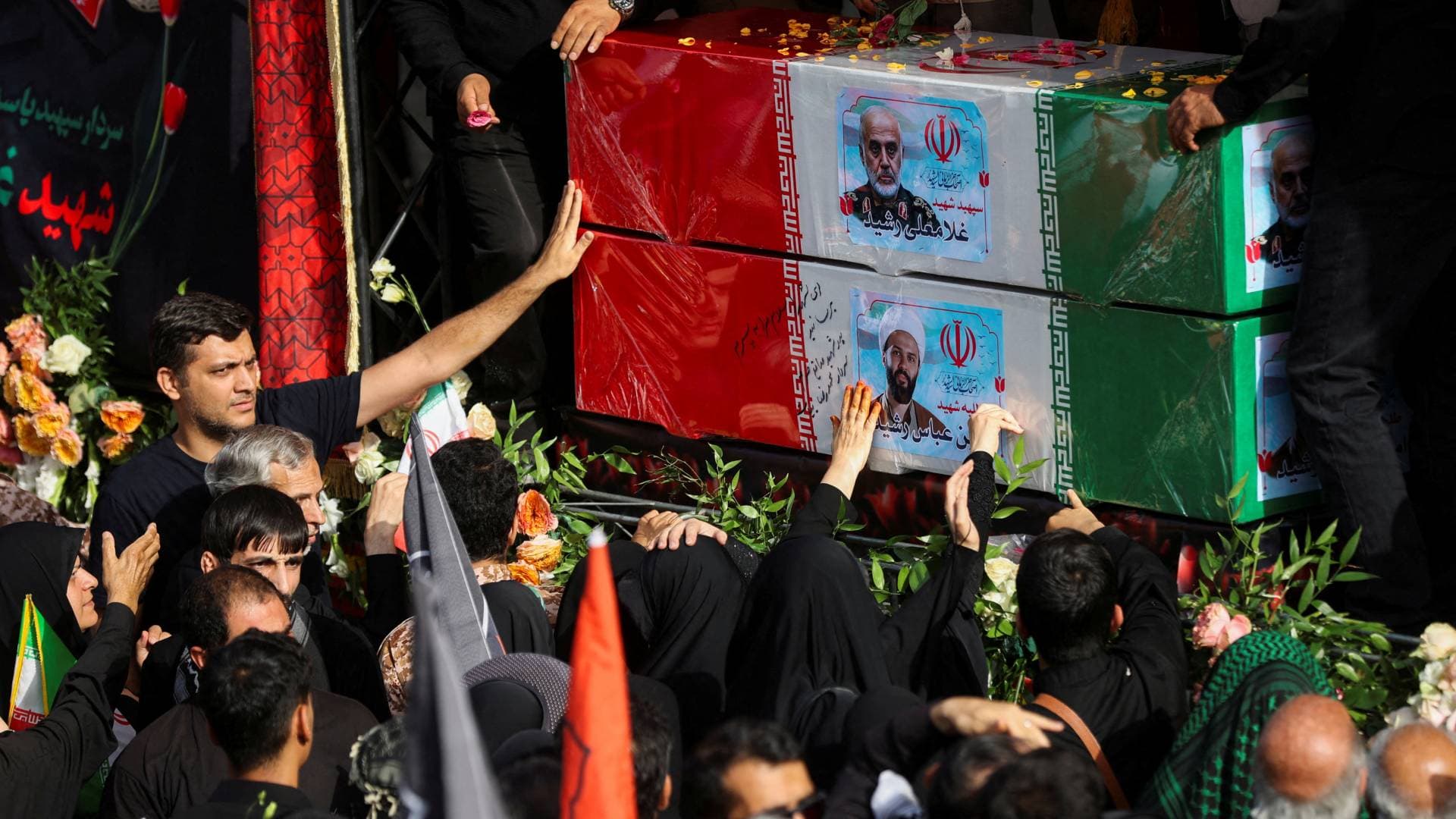
U.S. strikes Iran after attacks on shipping in Strait of Hormuz
U.S. forces hit more than 80 Iranian targets after attacks on three commercial ships, raising fears the Strait of Hormuz could slide into a wider war.
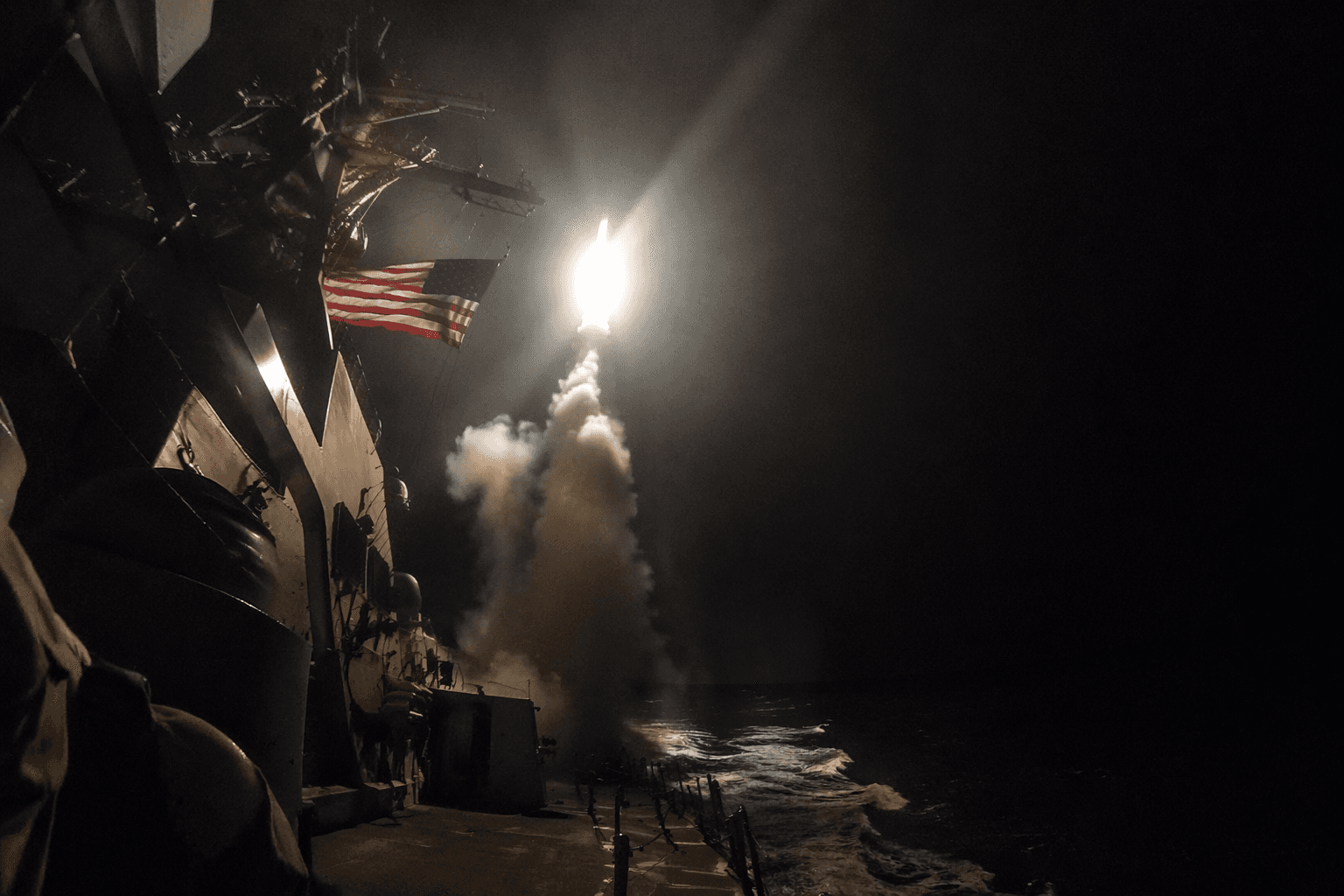
U.S. Central Command said it launched a series of strikes against Iran after Tehran attacked three commercial vessels transiting the Strait of Hormuz, widening a confrontation centered on the world's most important oil chokepoint. CENTCOM said the operation was intended to impose heavy costs for targeting commercial shipping and to further degrade Iran’s ability to threaten freedom of navigation in the strait.
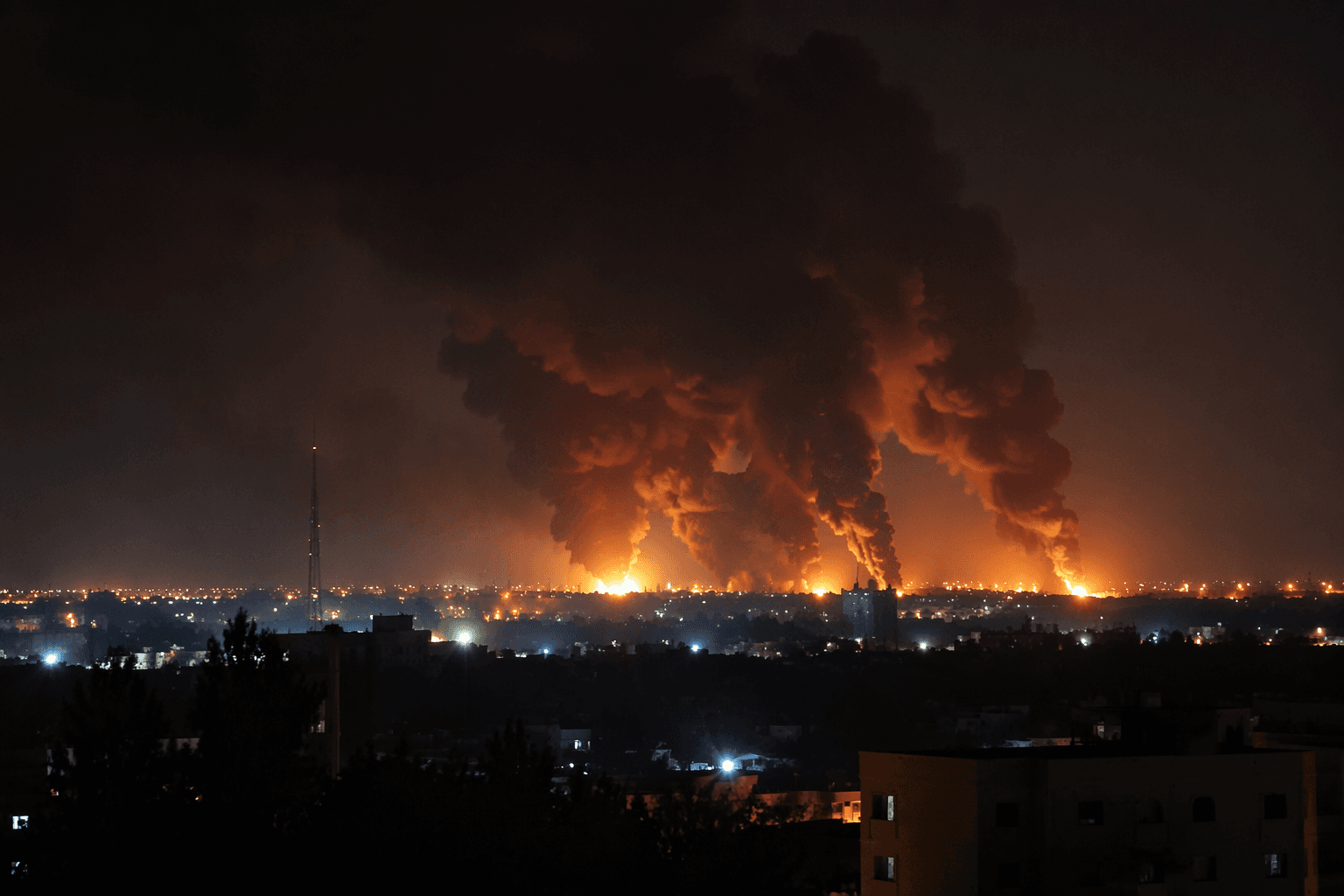
The strikes were carried out after a second day of attacks, and later reporting said the United States hit more than 80 targets, including air-defense systems, command-and-control networks, coastal radar sites, anti-ship missile capabilities and more than 60 small boats in and near the waterway. CENTCOM framed the action as a direct response to attacks on civilian shipping crews in an international passage that handles roughly 20 million barrels of oil a day.
Donald Trump sharpened the pressure on Tehran even before the strikes, saying at the NATO summit in Ankara, Turkey, that he thought a three-week-old cease-fire was over. “I think it’s over,” he said, adding that he did not want to deal with Iran anymore. The summit, held on July 7 and 8, unfolded as the cease-fire was already under strain and markets were bracing for more disruption.
Oil traders read the escalation as a threat to flows through Hormuz, where about one-fifth to one-quarter of global seaborne oil trade passes and a major share of liquefied natural gas exports also moves, including a large portion of Qatar’s LNG shipments. The International Energy Agency has said about 80% of oil and oil products transiting the strait are destined for Asia, making any interruption a direct risk to refiners and importers from Japan to India and China. WTI and Brent rose sharply after Trump’s remarks, reflecting concern that even a short shutdown or a sustained harassment campaign could rattle prices well beyond the Gulf.
The other major escalation risk is military. Reuters and AP reporting indicated that Iran targeted U.S. military sites in Bahrain and Kuwait during the exchange, suggesting the fight could spread from shipping lanes to bases housing American personnel. That makes the current phase look less like a single retaliatory strike and more like a contest over whether Washington can keep the conflict confined to maritime security, or whether Iran will answer in ways that pull U.S. troops and regional energy flows deeper into the confrontation.
This article was produced by Prism’s automated news system from verified source data, official records, and press releases, then run through automated quality and moderation checks before publishing. The system is built and supervised by the people who set the standards it runs under. Read our full AI policy.
Did this article answer your question?