Iran’s hostage diplomacy keeps Americans trapped in prison bargaining
Iran's prisons still function as bargaining chips, with Americans caught in a system that dates to the 1979 embassy seizure. The latest detentions show how little bluster matters when prisoners become leverage.
A pattern that started with the embassy seizure
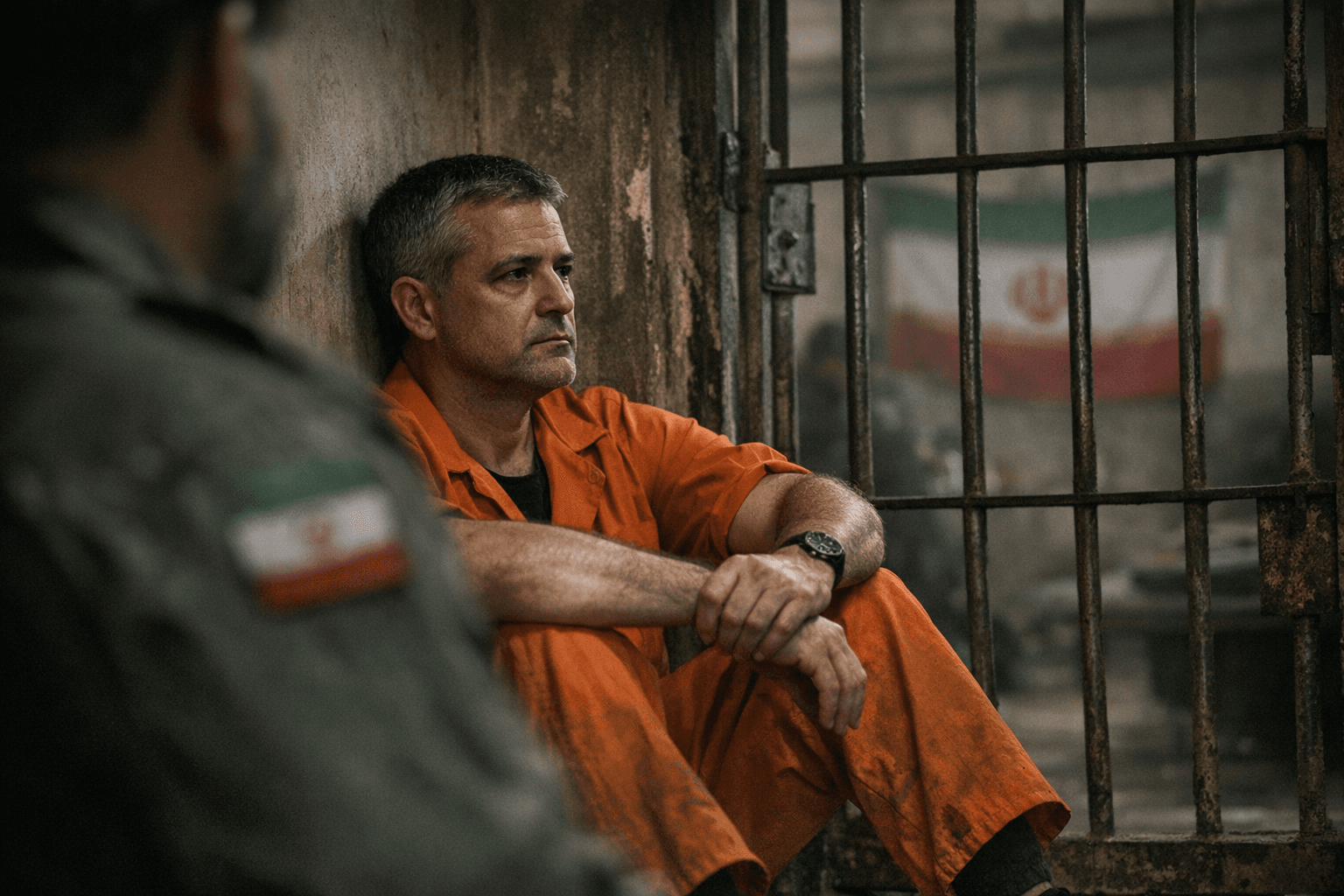
Iran's detention of Americans cannot be understood as an isolated crisis. Critics trace the practice to the 1979 seizure of the U.S. Embassy in Tehran, when 52 American diplomats and citizens were held for 444 days before the standoff ended in early 1981 after the Algiers Accords. That history matters because it established the template that still shadows every later arrest: a detainee becomes a bargaining chip, and the value of that chip rises when pressure between Washington and Tehran is already high.
Since then, critics say Iran has repeatedly detained dual nationals and foreign citizens and used those cases to gain leverage in disputes with the United States and Europe. The alleged goals are familiar and concrete: prisoner swaps, sanctions relief, and access to frozen assets. That is why the phrase hostage diplomacy keeps resurfacing, even when Tehran rejects it.
Why the leverage endures
The tactic works because detainees sit at the intersection of politics and pain. A prisoner can be traded, quietly or publicly, for an outcome that would be harder to win in an open negotiation. When nuclear talks, sanctions disputes, or regional-security tensions are already in motion, a detention case gives Tehran one more chip to place on the table.
That dynamic also explains the limits of presidential posturing. Blunt threats and moral condemnation may satisfy a domestic audience, but they do not change the basic logic of a system that treats detainees as diplomatic leverage. The harder the United States pushes on other fronts, the more valuable those detainees can become to Iranian authorities seeking relief, recognition, or concessions.
The latest Americans in custody
Reporting in August 2025 said at least four Iranian Americans were in Iranian custody. Two were reportedly seized after the June 2025 U.S.-Israeli attacks on Iranian targets, while two others had been held since 2024. A separate count from the Foley Foundation put the total number of U.S. nationals in Iranian custody at at least five, underscoring how quickly the picture can widen as arrests are tracked and reclassified.
One of the clearest examples is Reza Valizadeh, a dual U.S.-Iranian citizen and former Radio Farda correspondent. He was arrested on September 22, 2024, and the U.S. State Department formally designated him wrongfully detained in May 2025. That designation signals that Washington sees the case as politically charged rather than routine criminal justice, even as Iran insists otherwise.

For families, the difference between those narratives is not academic. Every new detention lengthens the gap between public statements and private fear, and every passing month makes the prospect of a negotiated release feel less like justice and more like survival through diplomacy.
What Washington says, and what it cannot say
U.S. officials have repeatedly warned Americans not to travel to Iran, saying the government routinely denies consular access to dual nationals. They have also said the detention cases are a top priority for the Trump administration. At the same time, the State Department says it does not share details of internal or diplomatic discussions on detainees for privacy, safety, and operational reasons.
That silence is not the same as inaction, but it does reveal the shape of the problem. Washington can apply pressure, issue warnings, and keep cases in the public eye. It can also use sanctions tools, including Treasury designations tied to hostage-taking and wrongful detention under Executive Order 14078. What it cannot do, at least not quickly, is force Tehran to stop using detainees as leverage if the broader political bargain is not changing.
Tehran’s denial and the broader bargain
Iran denies that it has a hostage-taking policy and says foreigners in its prisons are there under lawful judicial process. That denial is a central feature of the standoff: Tehran treats each arrest as a legal matter, while critics see a recurring state strategy that has survived multiple administrations and multiple rounds of diplomacy.
The deeper lesson is that detainee cases do not sit outside the nuclear file, sanctions policy, or regional-security talks. They are part of the same pressure system. When Tehran wants movement from the United States or Europe, Americans and other foreign nationals can become the currency of that pressure, and families are left waiting for negotiations that often move at the pace of larger geopolitical bargains rather than human urgency.
That is why the hostage-diplomacy frame remains so potent, and so grim. It captures a structure that has outlived presidents, outlasted threats, and turned private lives into instruments of statecraft.
This article was produced by Prism’s automated news system from verified source data, official records, and press releases, then run through automated quality and moderation checks before publishing. The system is built and supervised by the people who set the standards it runs under. Read our full AI policy.
Did this article answer your question?