Venezuela says amnesty law ending, but hundreds of political prisoners remain jailed
Delcy Rodríguez said the amnesty was ending even as Foro Penal counted 473 political prisoners still jailed and families said the releases had not gone far enough.
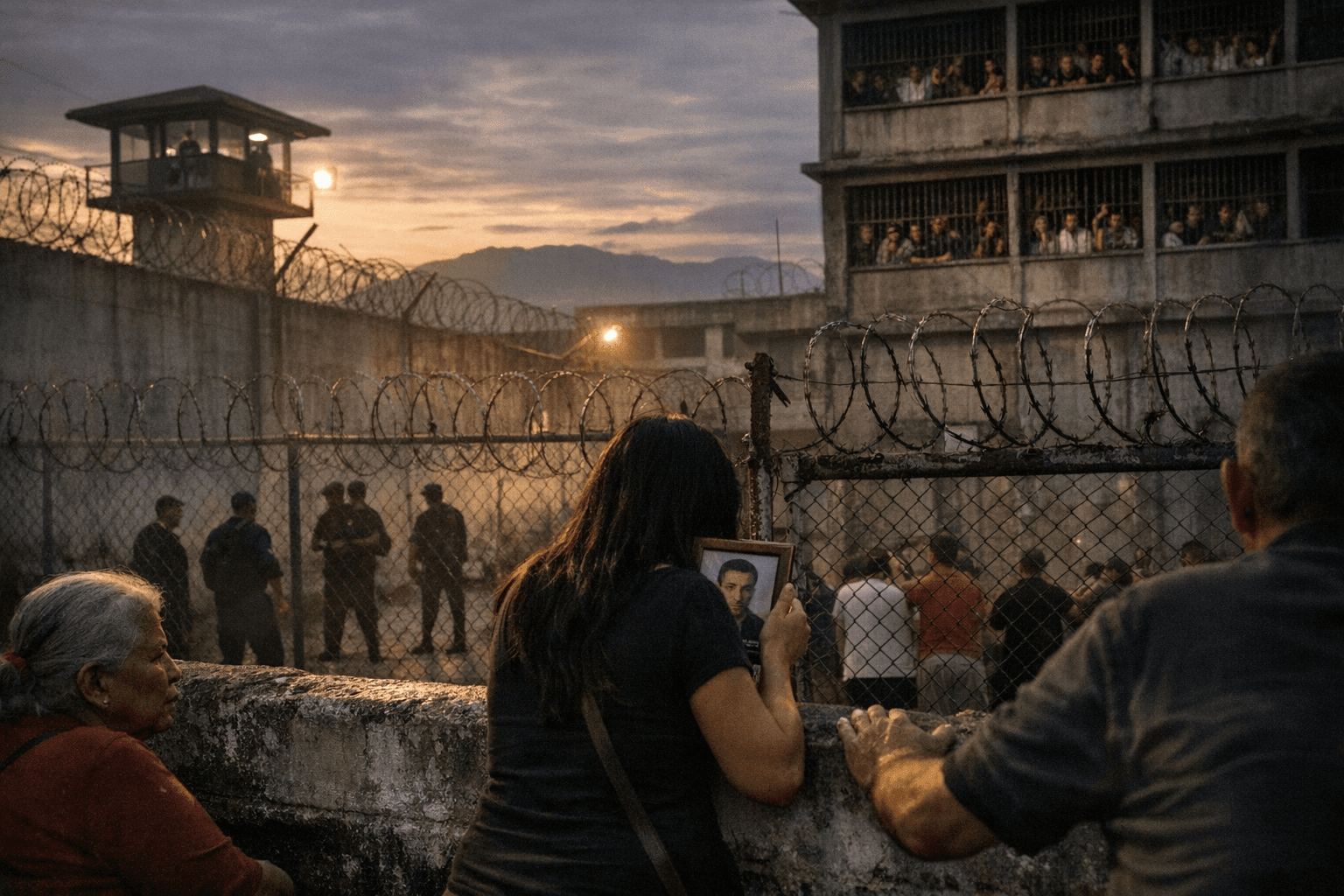
Venezuela’s government is moving to close its amnesty drive while hundreds of political prisoners remain behind bars, underscoring the gap between official claims of reconciliation and the reality facing detainees and their families. On April 24, acting president Delcy Rodríguez said the Amnesty Law for Democratic Coexistence was “coming to an end.”
Rights monitors say the numbers still do not add up. Foro Penal said on April 20 that 473 people were still classified as political prisoners in Venezuela, even after the government’s staged release scheme freed thousands in waves. Other reporting in April placed the remaining total at 477, while earlier estimates said more than 500 and, at points, more than 600 people were still in custody for political reasons.
The law was approved by the Venezuelan National Assembly on February 19 after being announced in late January. Officials presented it as a broad reconciliation measure covering political cases from 1999 through 2026, but the text and the rollout have left major categories outside its reach, including serious abuses, killings and drug trafficking. Human rights groups also say some military cases and other detainees appear to fall outside the law’s scope altogether.
For families and advocates, the bigger complaint has been not only who remains jailed, but how the releases have been handled. Rights groups say the process has been opaque and incomplete, and that some prisoners who were freed still face media gag orders, periodic court appearances and other restrictions. Foro Penal said it had tallied hundreds of releases since January 8, yet its own counts show many civilians and military personnel still in custody.
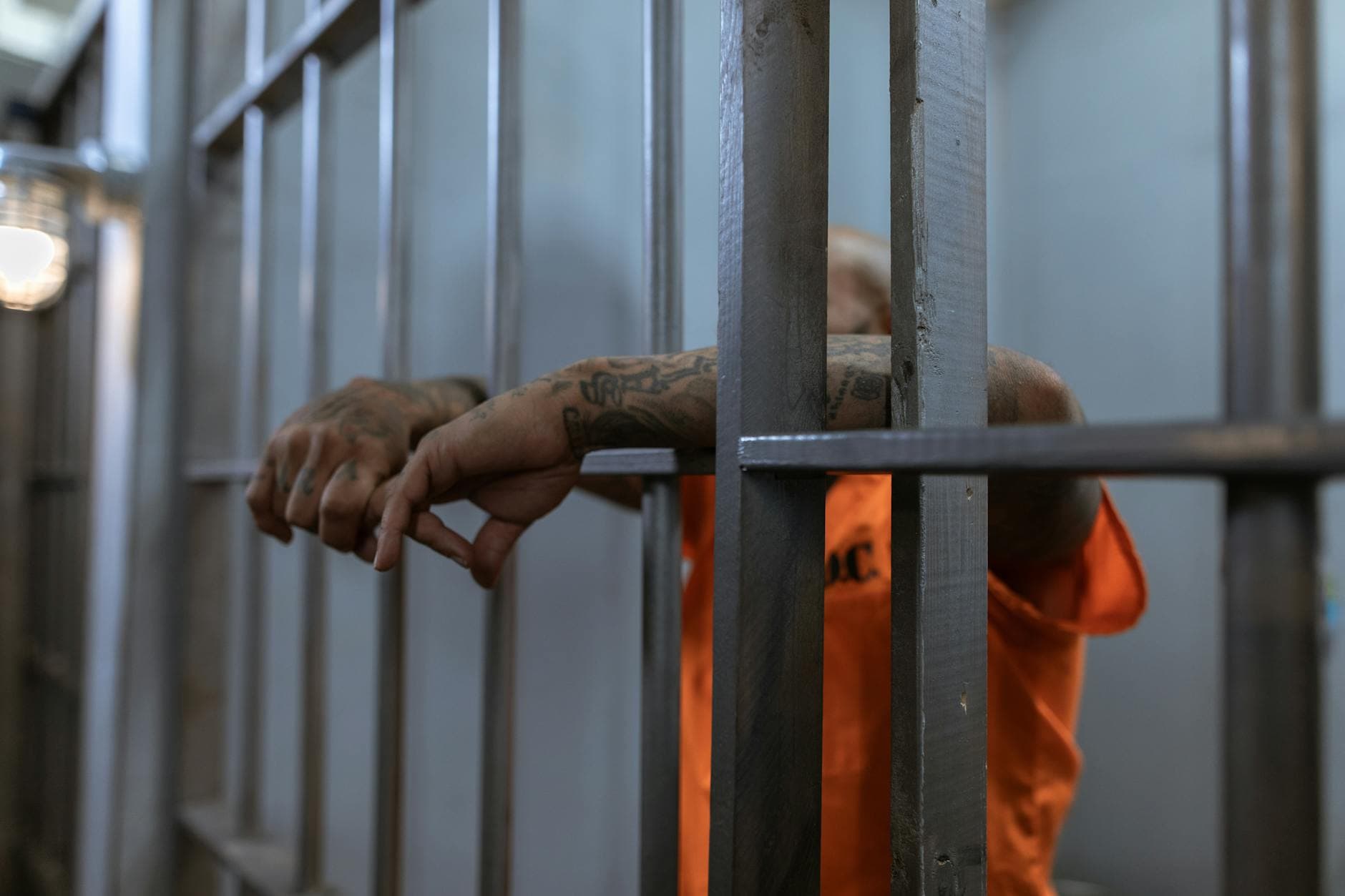
The United Nations human rights system welcomed the draft cautiously, saying it should apply to all victims of unlawful prosecution and be part of a broader transitional justice process. That warning reflects the central question now hanging over Caracas: whether the amnesty was meaningful reform, a temporary pressure valve, or a reputational maneuver after the crackdown that followed the disputed 2024 presidential election. For opposition leaders and detainees’ relatives, the issue remains immediate. They want release now, not another round of selective relief.
This article was produced by Prism’s automated news system from verified source data, official records, and press releases, then run through automated quality and moderation checks before publishing. The system is built and supervised by the people who set the standards it runs under. Read our full AI policy.
Did this article answer your question?


