Iran’s Isfahan nuclear site remains a key target after U.S. strikes
Isfahan’s tunnel complex now sits at the center of Trump’s next move, with uranium, missiles and energy sites all on the table after earlier U.S. strikes.
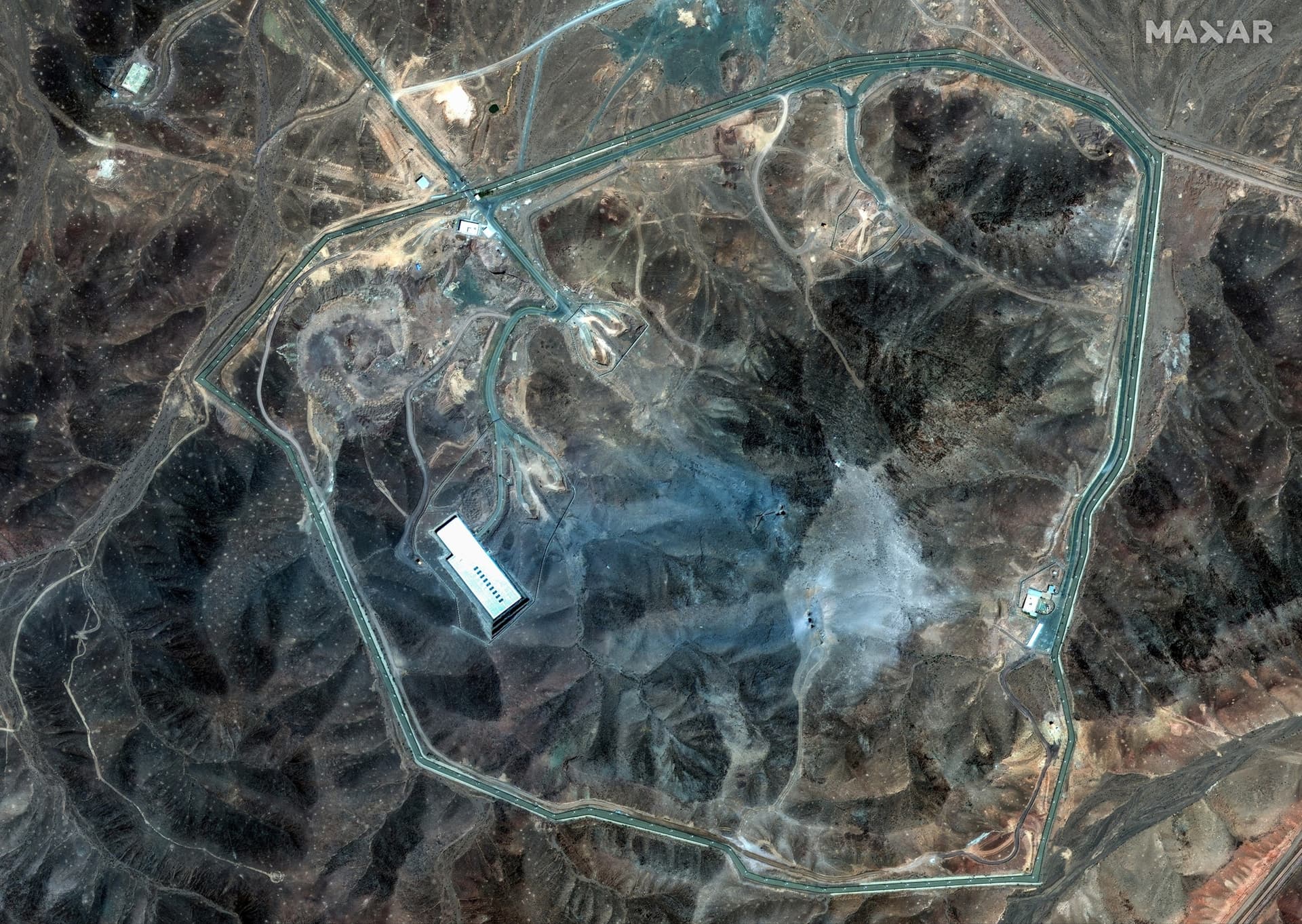
Isfahan has emerged as the most consequential surviving target in Iran, a place where highly enriched uranium, missile infrastructure and underground storage all converge. The International Atomic Energy Agency said in confidential reporting in February 2026 that some of Iran’s uranium, enriched to as much as 60% purity, was being kept in an underground tunnel complex at the site, making it central to any discussion of another strike.
That calculation is sharpened by what the U.S. military hit before. In June 2025, U.S. strikes targeted the entrances to tunnels used to store part of Iran’s enriched uranium stockpile at the sprawling Isfahan nuclear complex. The result was not a clean elimination of the site, but a warning that the underground network remained part of Iran’s nuclear posture and part of Washington’s target set. The IAEA has continued to press Iran to allow inspectors access to its nuclear sites as tensions over the program have deepened.
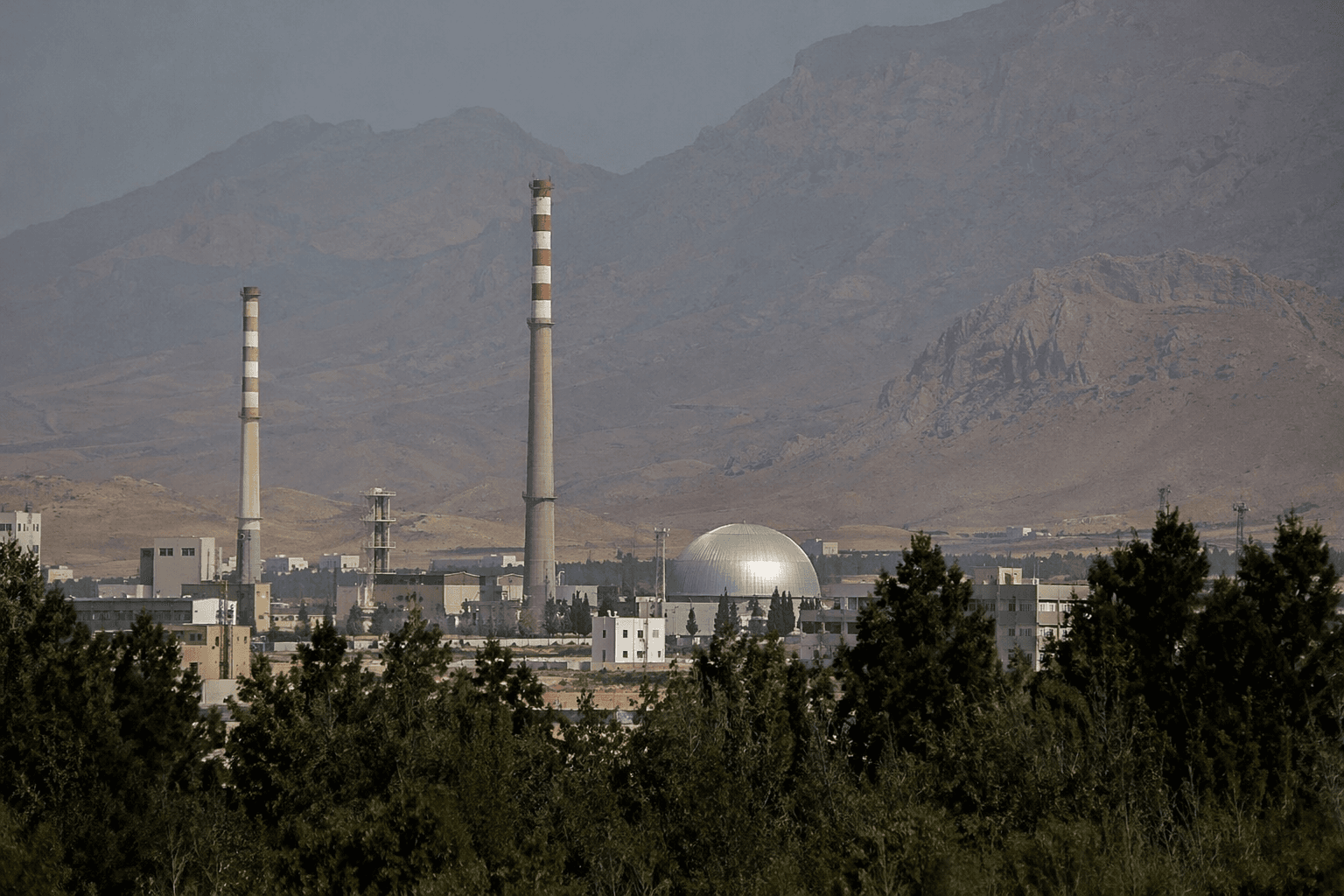
For Trump, the choice is less about whether there are targets than about which kind of pressure he wants to apply. Another strike on Isfahan could signal resolve and reinforce deterrence, especially if Washington believes Iran is preserving sensitive material underground. But it would also risk widening the confrontation around a site that the IAEA has already flagged as a point of concern. Hitting the tunnel complex again could invite retaliation and push the United States deeper into a cycle of escalation centered on Iran’s nuclear program.
Other military options carry different trade-offs. Energy facilities left untouched in earlier action remain exposed, and striking them could put immediate pressure on Iran’s economy while rattling oil markets far beyond the region. Missile sites are another live target: by April 2026, reporting cited Israeli military assessments that Iran still had hundreds of launchers and about 1,000 missiles, many protected underground. That means a campaign aimed at launchers could degrade Iran’s ability to respond, but it would not remove the threat entirely and could widen the battlefield.
The broader decision tree now reaches beyond military targeting. A heavier strike package could strengthen Trump’s hand with allies who want Iran constrained, but it could also strain regional alliances if partners fear blowback, disrupted shipping or a sharper regional war. A more limited strike could avoid immediate escalation, yet leave Iran’s underground stockpiles and missile force intact. Isfahan, in other words, is not just a target list item. It is the test case for whether force can deter Tehran without pulling the United States further into the conflict it is trying to control.
Know something we missed? Have a correction or additional information?
Submit a Tip