Iran’s leadership crisis deepens as U.S. diplomacy with Tehran stalls
Tehran’s succession fight has left U.S. negotiators facing an unclear chain of command. The title sits above the president, but the injuries to Mojtaba Khamenei raise doubts about who can actually act.
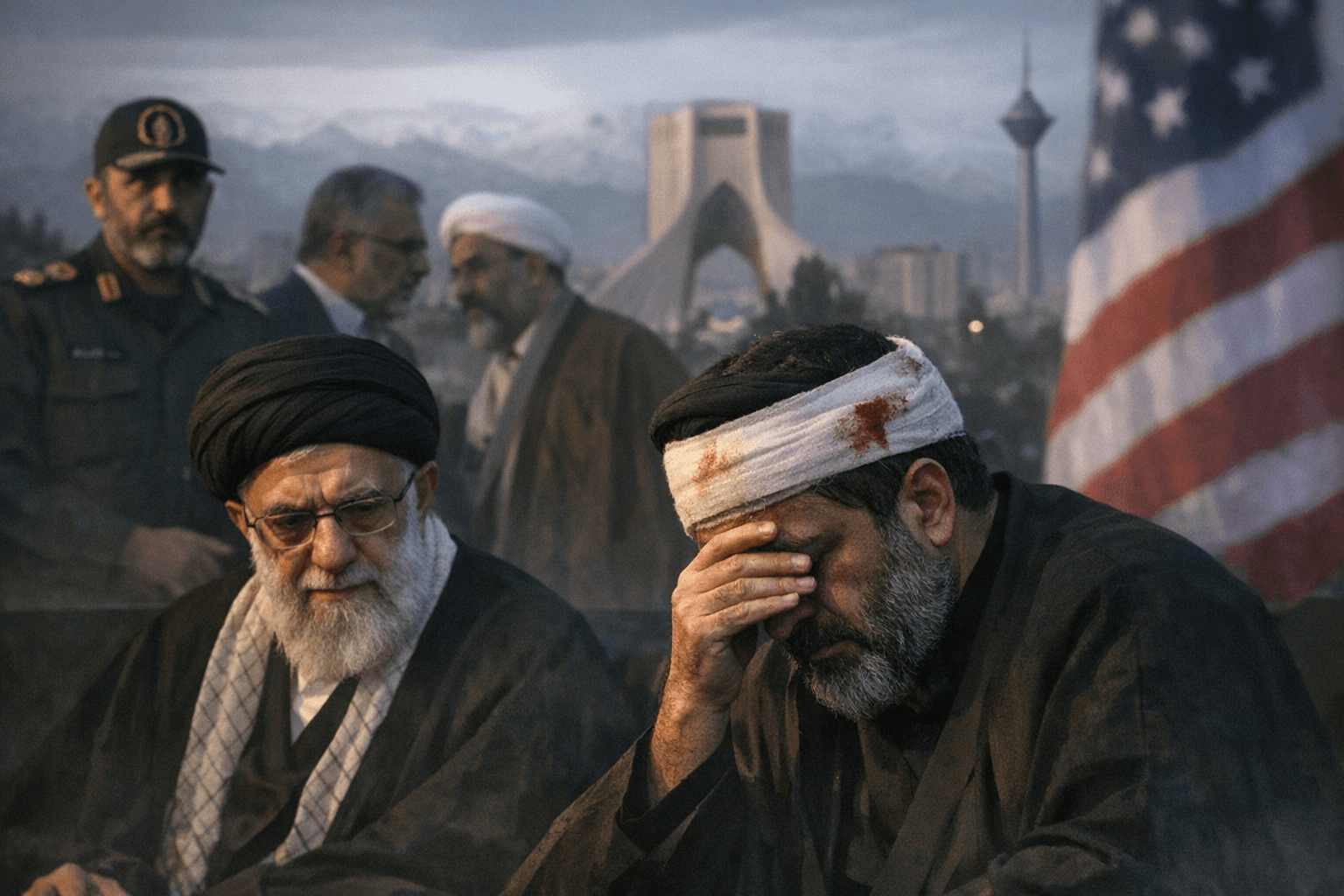
Iran’s diplomacy with Washington is colliding with a deeper problem in Tehran: no one is sure who can truly make a deal. Under Iran’s constitution, the Supreme Leader is the head of state, outranks the president, and holds the power to steer the armed forces, nuclear policy, security policy and foreign policy. The Assembly of Experts chooses the Supreme Leader and can dismiss him, which makes the succession issue central to any opening with the United States.
That uncertainty sharpened after Ali Khamenei was killed in U.S.-Israeli strikes on Feb. 28, 2026, after serving as Supreme Leader since 1989. He was 86 and had been the longest-serving ruler in the Middle East when he died. Reuters reported that Iran’s Assembly of Experts named Mojtaba Khamenei, his son, as the country’s new Supreme Leader on March 8 and 9, but the transition has not settled the question of how power is being exercised day to day.
Reuters also reported on April 11 that Mojtaba Khamenei was still recovering from severe facial and leg injuries from the same airstrike that killed his father. That detail has added a practical complication to an already fraught succession: even with the title of Supreme Leader, visibility, authority and the ability to manage the state apparatus may not line up neatly.
The diplomatic stakes are immediate. AP reported on April 11 that U.S. Vice President J.D. Vance said negotiations with Iran ended in Pakistan after 21 hours without agreement. Just days earlier, AP reported on April 6 that President Donald Trump had widened his threats against Iran’s infrastructure, including power plants and bridges, before backing away from immediate strikes. AP then reported on April 7 that the two sides agreed to a two-week ceasefire as Trump pulled back.
That sequence matters because Washington is not just testing whether Tehran wants a deal. It is testing whether Tehran has a leader who can authorize one. In Iran’s system, the president remains subordinate, while the Supreme Leader and the Assembly of Experts determine the real lines of power. Until that chain of command is clear, negotiations can stall even when both sides are talking.
This article was produced by Prism’s automated news system from verified source data, official records, and press releases, then run through automated quality and moderation checks before publishing. The system is built and supervised by the people who set the standards it runs under. Read our full AI policy.
Did this article answer your question?


