Iran’s strait fee threat rattles global shipping and oil markets
A proposed Iranian fee on Strait of Hormuz traffic jolted shipping as the narrow passage carries about 20 million barrels of oil a day.
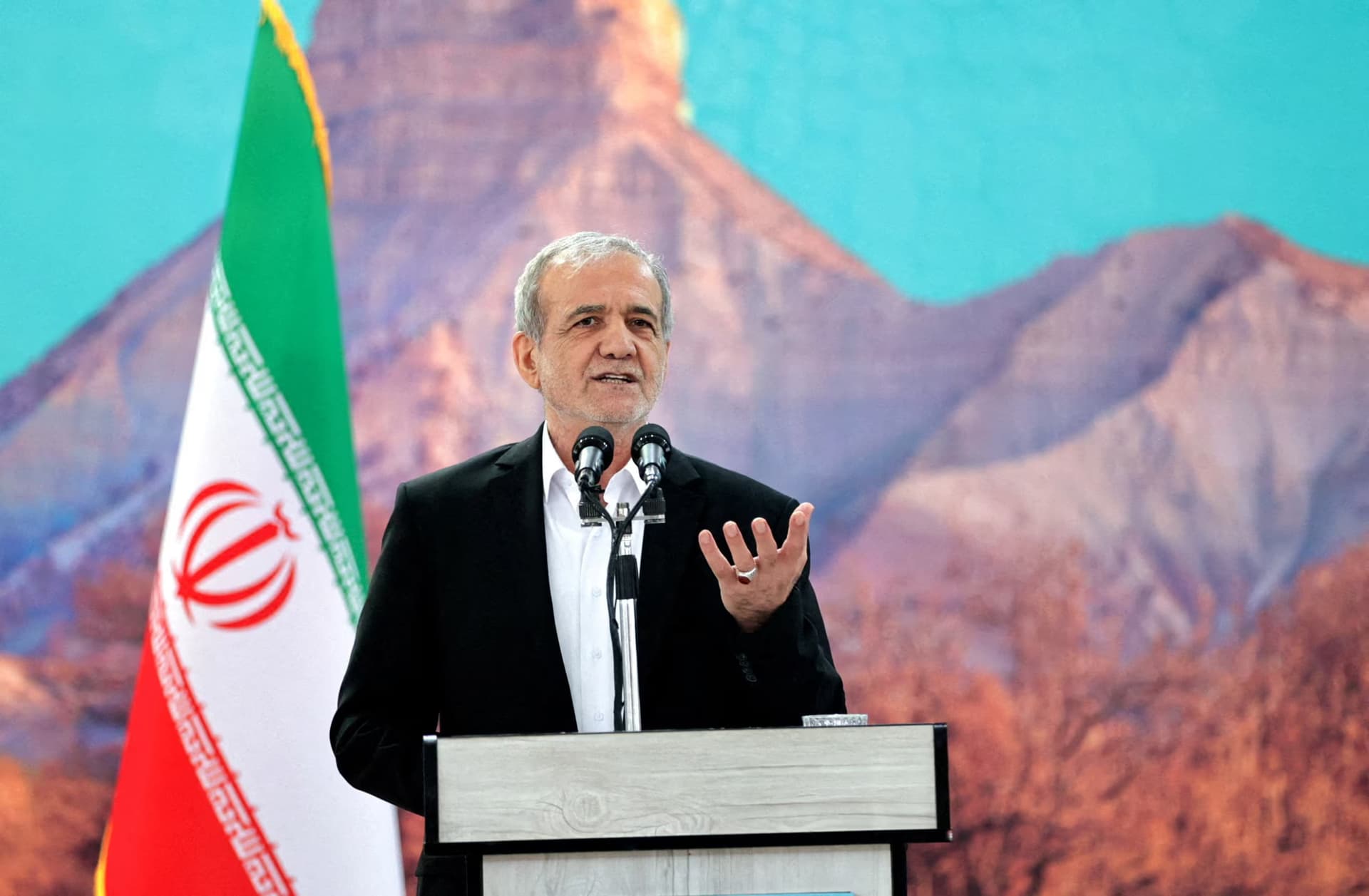
Masoud Pezeshkian’s government is testing a dangerous idea: trying to charge ships for passage through the Strait of Hormuz. The move is unlikely to become routine, but the threat alone has rattled insurers, tanker operators and oil traders because the waterway is one of the most important chokepoints in the global energy system.
The strait is only 29 nautical miles wide at its narrowest point, with two navigable channels that are each about 2 miles wide and separated by a buffer zone. That geometry matters. When one narrow passage carries so much of the world’s fuel supply, even talk of interference can force carriers to rethink routes, insurers to reprice risk and traders to bid up crude.
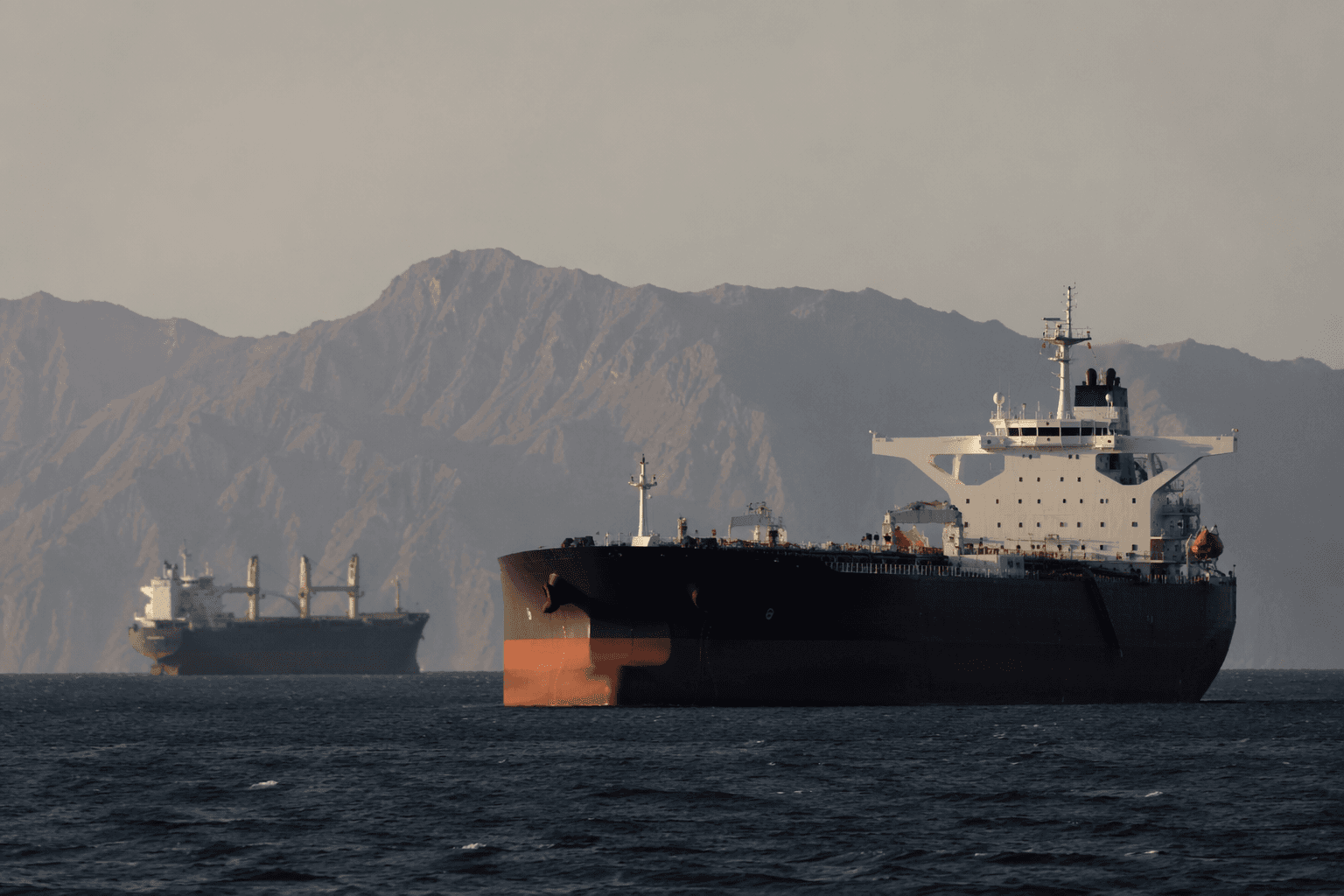
The scale is enormous. The U.S. Energy Information Administration said oil flow through the strait averaged 20 million barrels per day in 2024, or about 20% of global petroleum liquids consumption. The International Energy Agency said an average of 20 million barrels per day of crude oil and oil products moved through the Strait of Hormuz in 2025. That volume links a strip of water between Iran and Oman directly to gasoline prices, freight rates and inflation expectations in the United States.
Markets have already reacted. The Energy Information Administration noted Brent crude climbed from $69 a barrel on June 12 to $74 a barrel on June 13 after regional tensions sharpened. Shipping traffic has also reportedly thinned sharply as carriers respond to war-risk concerns, a sign that the market does not need an actual blockade to start paying more for caution.
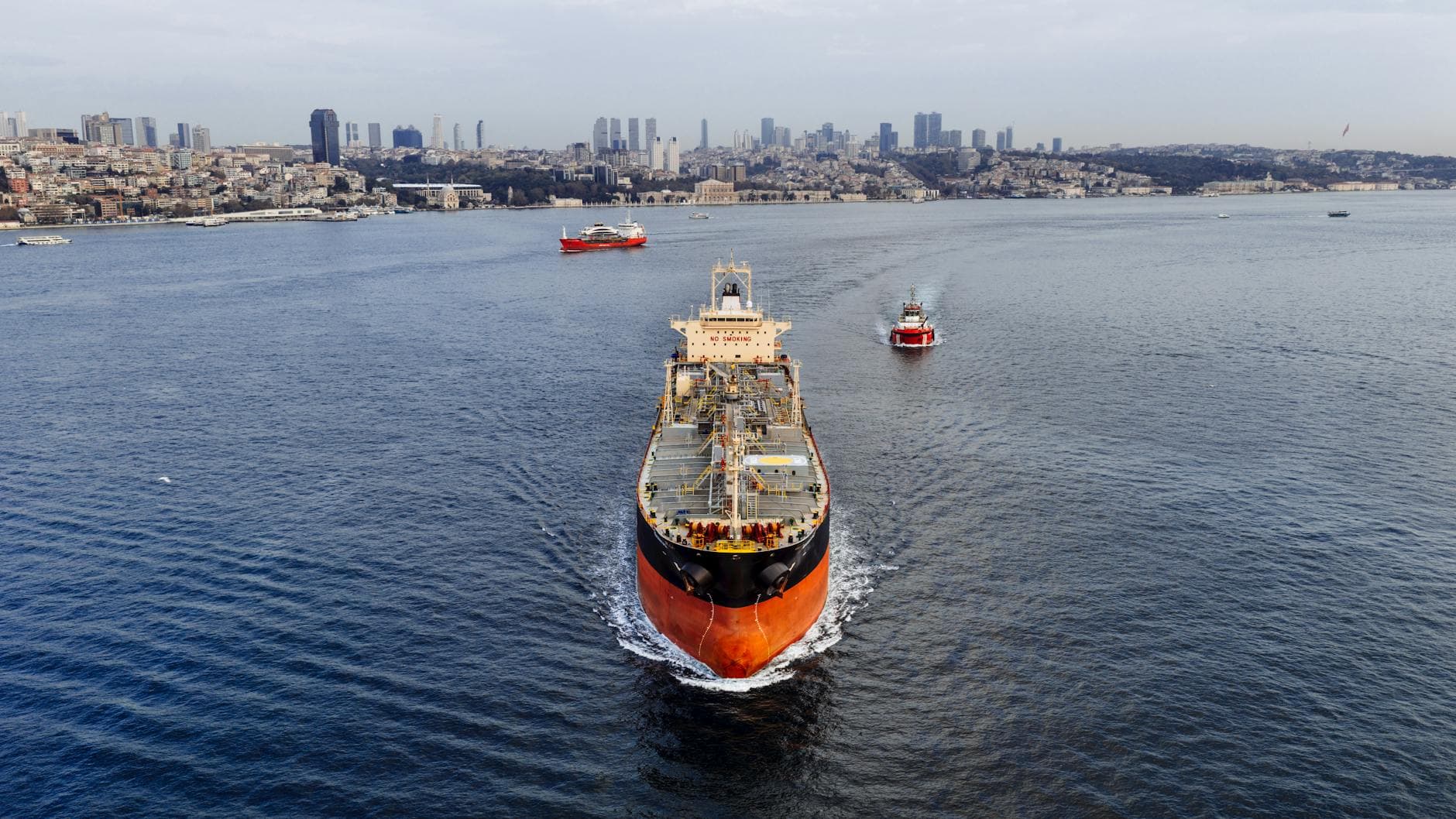
Washington has added its own warning. The United States government has said shippers that pay tolls or other fees to Iran for passage through the strait could face sanctions. That raises the stakes of any fee system Tehran tries to impose. A Reuters-reported estimate cited this spring suggested Iranian officials had discussed charges as high as about $2 million per tanker, a level that would materially raise operating costs even before insurers add war-risk premiums.
The historical backdrop is grim. During the 1981-1988 Tanker War, attacks on merchant vessels in the Persian Gulf and the Strait of Hormuz drew in outside powers, including the United States. Congressional Research Service analysis says Iran’s attempts to disrupt Gulf energy commerce in 1987 and 1988 brought it into direct conflict with the United States, and that a prolonged disruption of Middle East oil trade could produce market conditions with no true historical precedent.
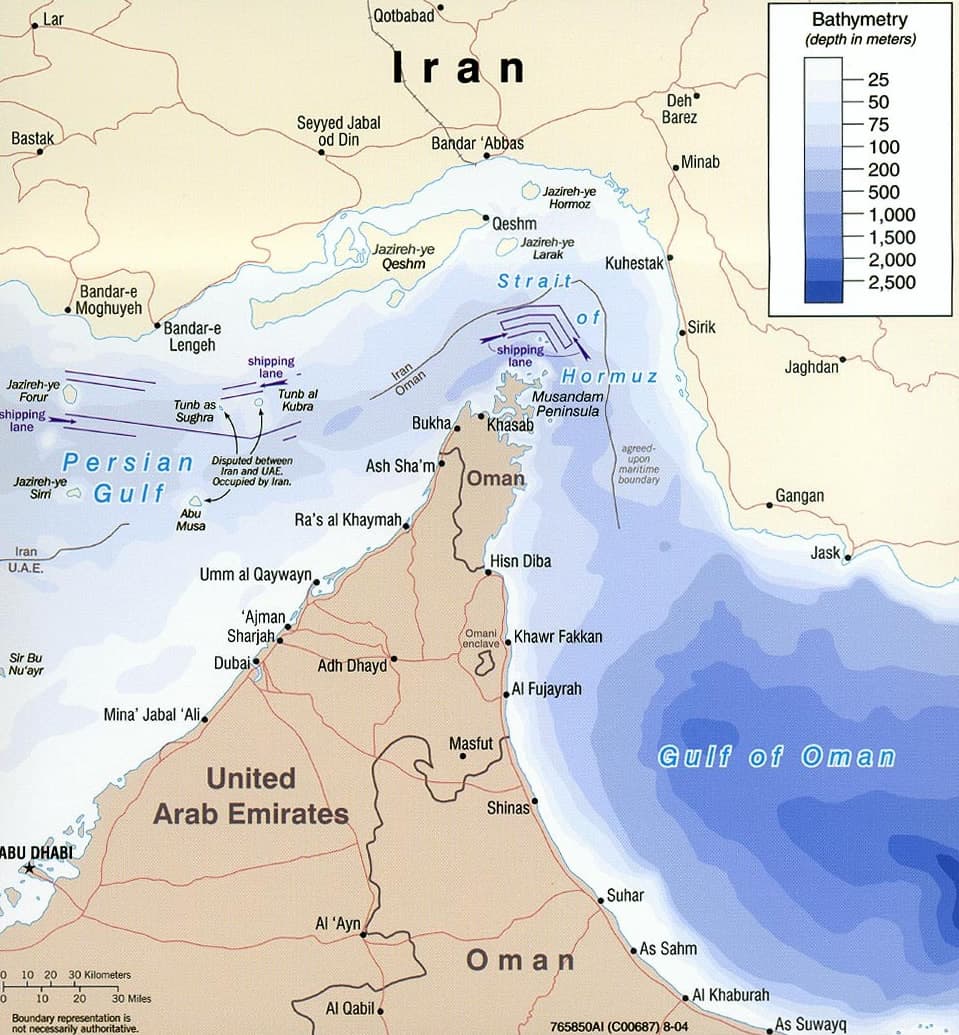
That is why a fee threat in one narrow waterway can matter far beyond the Gulf. If Iran normalizes a toll regime, maritime and energy analysts warn, other sea lanes could face similar pressure. For U.S. consumers, the path from a tanker checkpoint to the gas pump is short, and the inflationary ripple can arrive faster than any ship.
Know something we missed? Have a correction or additional information?
Submit a Tip