Iraq arrests lawmakers and officials in sweeping corruption probe
Counter Terrorism Service units raided the Green Zone and detained lawmakers and officials in a probe tied to oil ministry statements and campaign-finance abuse.

Elite Counter Terrorism Service units raided Baghdad’s Green Zone before dawn and detained politicians, lawmakers and senior officials in a corruption probe ordered by Prime Minister Ali al-Zaidi. Iraqi state media said the case was built on statements from former Deputy Minister of Oil Adnan al-Jumaili, who had been arrested last month.
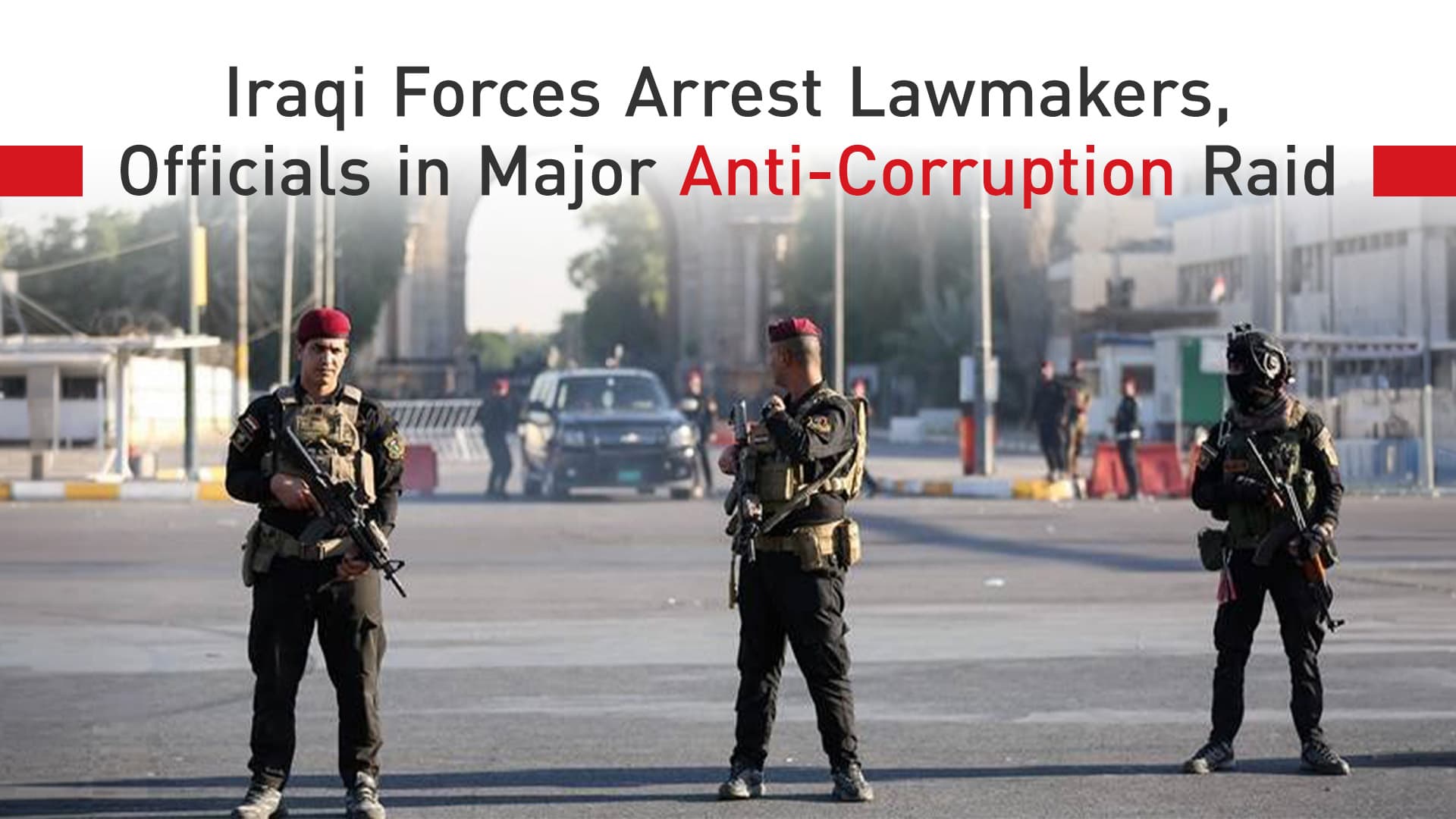
Security forces sealed the entrances to the fortified district, which holds Iraq’s parliament, key government institutions and several embassies, including the U.S. Embassy in Baghdad. Later accounts put the total number of detainees at 47, although it was not clear whether all of those arrests happened the same day. Some reports said 13 lawmakers were among them.
State media released names for 15 people, including 12 sitting lawmakers, one former legislator, a former adviser to former Prime Minister Mohammed Shia al-Sudani and a senior oil ministry official. Additional reporting identified Muthanna al-Samarrai, the leader of the Sunni Azm Alliance, and Ali Maarej, the deputy oil minister for distribution affairs, among those detained. The names and party links pointed to a sweep that cut across Iraq’s Shiite and Sunni political camps.
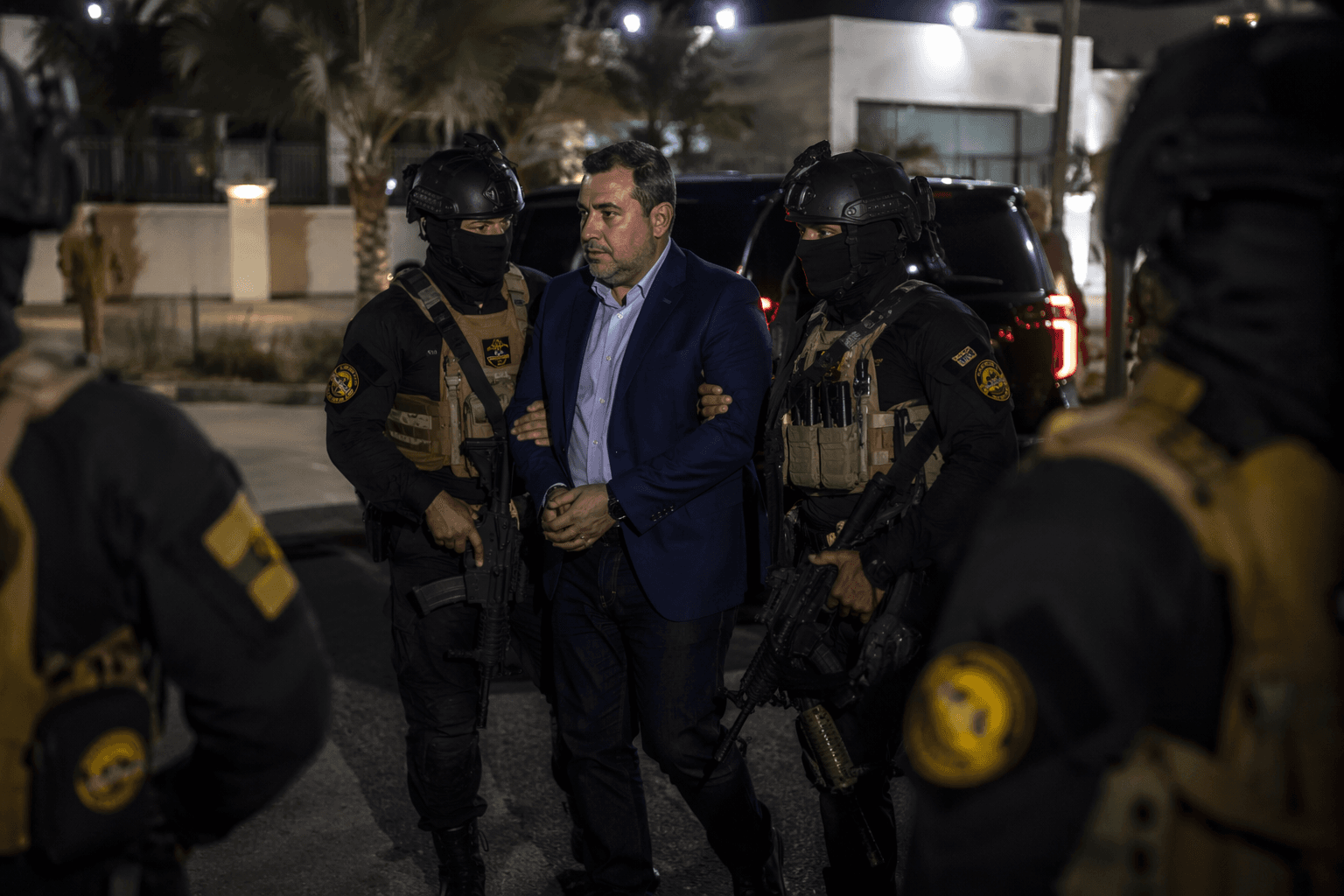
The investigative judge said the case began in October after reports that some candidates had spent huge sums on campaigns using state resources and support from influential figures. Investigators later found lawmakers using public resources for electioneering and benefiting from government contracts, directly or indirectly, to obtain commissions and personal advantages. That makes the case more than a routine anti-graft operation: it reaches into campaign finance, patronage and the use of public money for political gain.
The Green Zone has long been a symbol of elite insulation in Baghdad, protected by concrete barriers and guarded access while ordinary Iraqis have faced corruption, poor services and weak accountability. The political stakes are high because anti-corruption anger helped drive the Tishreen protests that began in October 2019, when demonstrators across the country denounced corruption, unemployment, failing public services and sectarian politics.
Iraq remains near the bottom of global corruption rankings. Transparency International’s 2025 Corruption Perceptions Index gave the country a score of 28 out of 100 and placed it 136th of 182 countries. Amnesty International said in 2025 that Iraq had still not delivered meaningful justice for killings and disappearances tied to the 2019 protests.
The test now is whether the arrests lead to public charges, convictions and asset recovery across factional lines, or whether the Green Zone sweep becomes another selective purge inside Iraq’s ruling system.
This article was produced by Prism’s automated news system from verified source data, official records, and press releases, then run through automated quality and moderation checks before publishing. The system is built and supervised by the people who set the standards it runs under. Read our full AI policy.
Did this article answer your question?