Iraq Journalist Kidnapped in Baghdad, One Suspect Arrested
Armed men abducted a journalist in Baghdad Tuesday; one suspect was arrested but the reporter's identity remains officially undisclosed as authorities searched for those still at large.
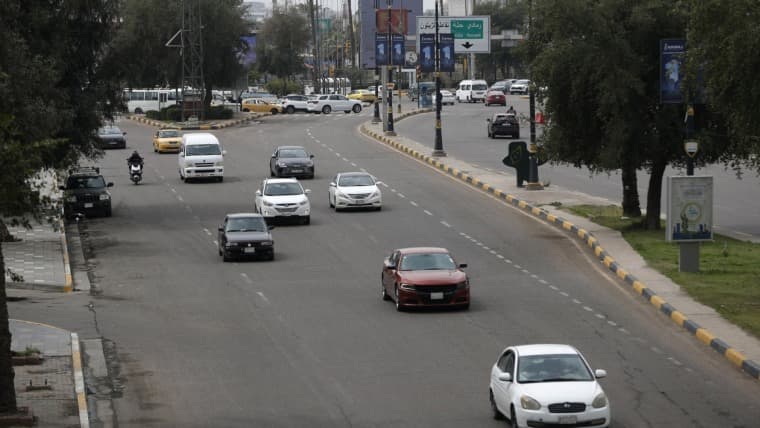
Armed men abducted a journalist in Baghdad on Tuesday in what Iraq's Ministry of Interior described as a kidnapping by "unknown individuals," triggering a vehicle pursuit that ended with one suspect arrested and the reporter still unaccounted for.
Security forces seized a vehicle used in the abduction during that chase, the ministry said in a statement issued through the Iraqi News Agency. The ministry disclosed nothing further about the journalist's identity, saying only that efforts were continuing to find those involved and secure their release.
Two Iraqi security officials, speaking on condition of anonymity because they were not authorized to publicly discuss the case, said the kidnapped journalist was a woman with U.S. citizenship and that two cars were involved in the operation. One crashed during the pursuit and was apprehended; the other, carrying the journalist, fled.
Media reports named the journalist as Shelley Kittleson, a U.S. freelance reporter. The Committee to Protect Journalists said it was "deeply concerned" following those reports. "CPJ calls on Iraqi authorities to do everything in their power to locate Shelley Kittleson, ensure her immediate and safe release, and hold those responsible to account," said Sara Qudah, CPJ's Middle East regional director. The Interior Ministry has not confirmed the identity. The U.S. State Department did not respond to requests for comment on Tuesday.
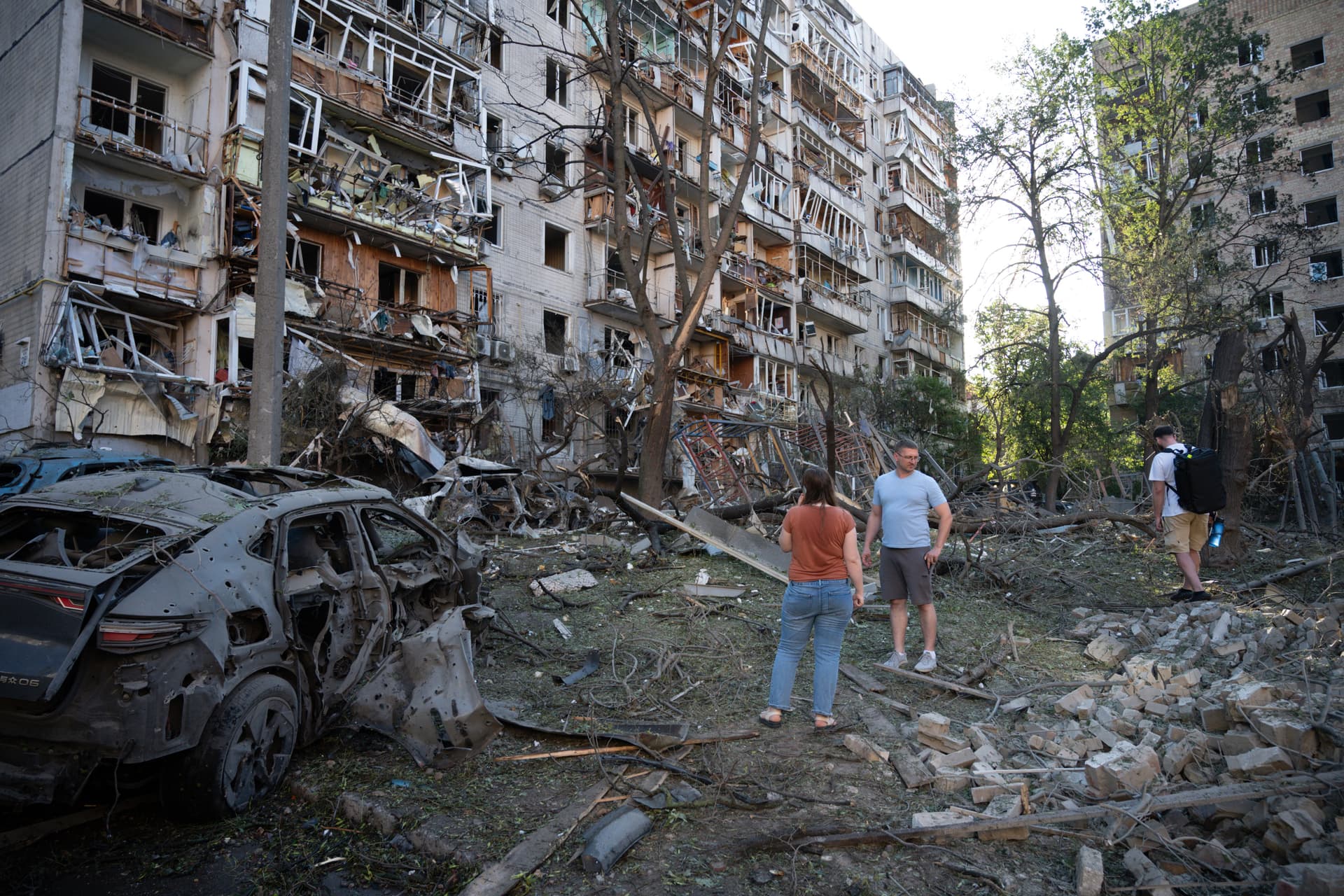
The kidnapping unfolded during a period of sharply elevated violence across Iraq. Security forces were targeted in attacks in Anbar province and elsewhere in recent weeks amid broader regional conflict. For journalists working in Baghdad, that deteriorating backdrop compounds hazards that never fully receded: the CPJ has documented more than 130 murders of journalists and media workers in Iraq since the 2003 conflict, accumulated against a near-total absence of accountability.
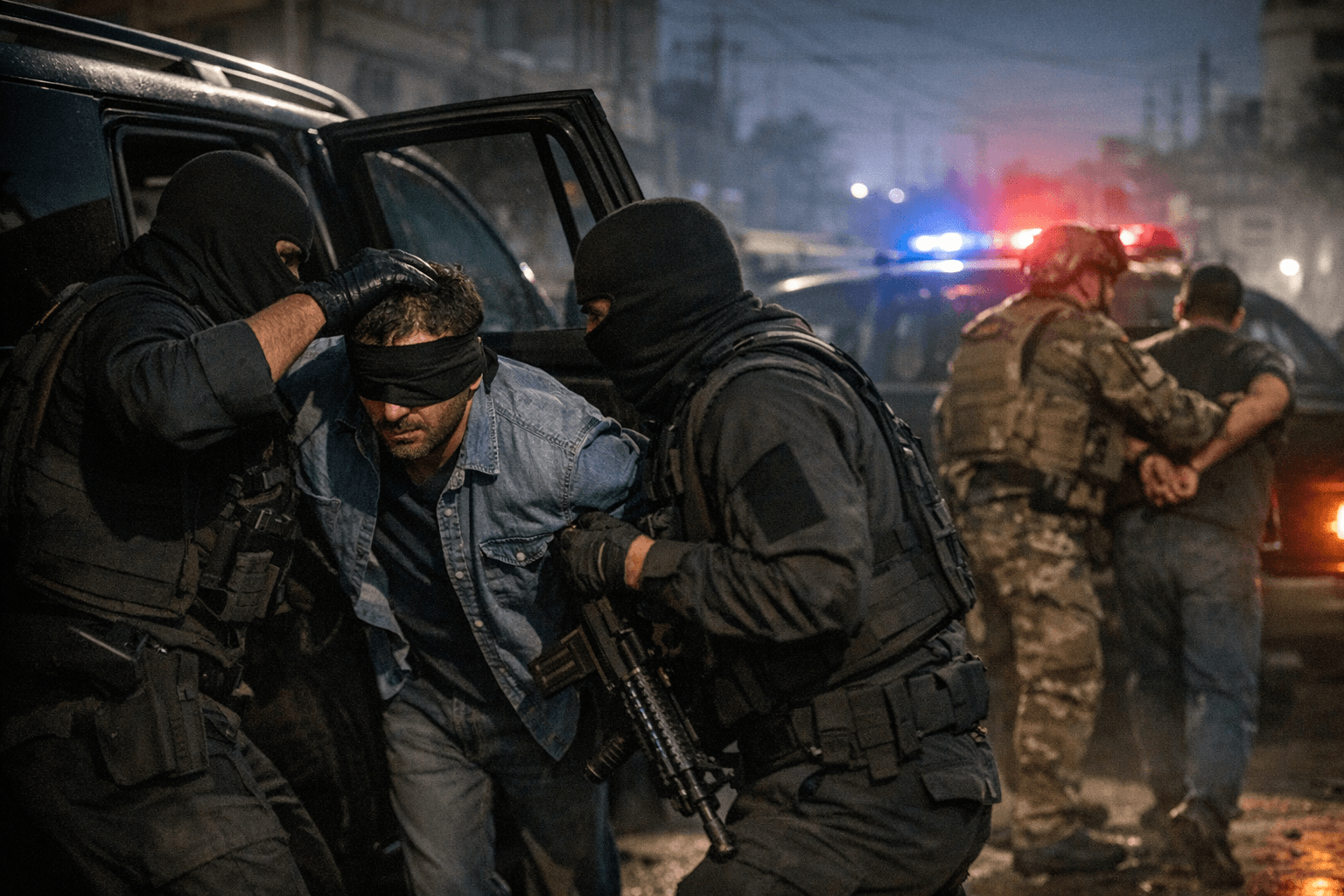
Reporters Without Borders placed Tuesday's abduction within that structural failure. "Between political instability and financial pressure, journalists face threats from all sides and are up against the weakness of the state, which is failing in its duty to protect them," the organization said. RSF also flagged a troubling shift in targeting: abductions are "often used to terrorise and silence" reporters, it noted, and the tactic is no longer reserved for prominent correspondents. Lesser-known journalists are now equally at risk.
The CPJ's historical case files give that warning specific weight. Bilal Taleb Abdelrahman al-Obeidi, an AFP stringer covering Ramadi in Anbar province, was abducted near the Interior Ministry in central Baghdad. In May 2006, Al-Nahrain reporter Laith al-Dulaimi and a colleague were seized by men disguised as police officers at Diyala Bridge while driving home to Mada'in. Al-Sharqiya correspondent Musab Mahmood al-Ezawi, two camera operators, and their driver were killed after being abducted while filming a Ramadan story; their bodies were recovered in the Al-Borsa district. In most such cases, accountability never arrived. Five suspects were eventually arrested in one of those killings; if convicted, they would become the first people punished among those responsible for more than 130 journalist murders since 2003.
The one suspect in custody from Tuesday's operation now represents either a genuine break from that pattern or its familiar opening chapter. The ministry's assurance that efforts are "continuing" will be measured not in statements but in whether the journalist comes home.
This article was produced by Prism’s automated news system from verified source data, official records, and press releases, then run through automated quality and moderation checks before publishing. The system is built and supervised by the people who set the standards it runs under. Read our full AI policy.
Did this article answer your question?