Iraqi parliament elects Nizar Amedi president, ending political deadlock
Iraq’s parliament elected Nizar Muhammad Said, known as Nizar Amedi, with 227 votes in a second round among 252 members present, ending a months-long post-election stalemate.
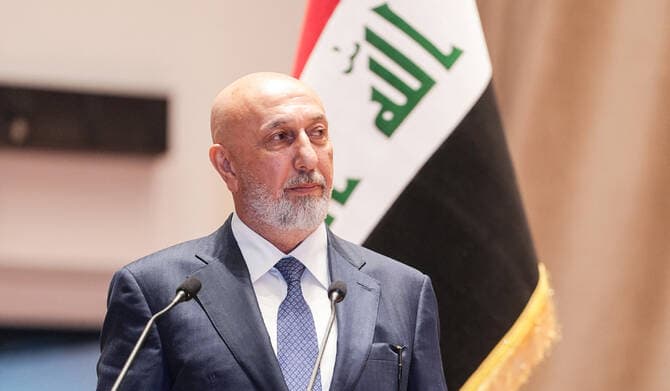
Iraq’s Council of Representatives elected Nizar Muhammad Said, commonly known as Nizar Amedi, president on April 11, 2026, securing 227 votes in a second-round tally against Muthanna Amin’s 15 votes, with 252 members in attendance. The vote, held during the legislature’s 17th session chaired by Speaker Haibet al-Halbousi, follows a protracted impasse after last year’s parliamentary elections that blocked routine appointments and budget finalization.
Parliamentary records show two withdrawals at the start of the session, by Aso Fereydoun and incumbent Abdul Latif Jamal Rashid, narrowing the field to 16 candidates. In round one Amedi led with 208 votes but fell short of the two-thirds threshold required for immediate election; the second round produced the decisive 227-vote result recorded by the Council of Representatives.
Amedi, reported to be 58, has served as environment minister and has headed the Patriotic Union of Kurdistan’s political office in Baghdad since 2024, making him a senior PUK figure in national politics. The presidency in Baghdad is constitutionally ceremonial, yet it is politically pivotal: the office presides over the post-election bargaining that determines the prime minister and cabinet composition, and thereby the course of security policy, energy management and foreign relations.
The Kurdish dimension is central to the bargaining that now begins. Rudaw reported that the Kurdistan Democratic Party boycotted the April 11 session, underscoring intra-Kurdish contention over the presidency even as the PUK’s Amedi assumes the post. With oil revenue sharing, disputed territories and militia influence high on the agenda, Amedi’s PUK affiliation is poised to shape negotiations between Baghdad and Erbil over resource allocations, territorial administration and security appointments, all while the wider region remains unsettled by the U.S.-Iran conflict and cross-border militia activity that have drawn Iraqi infrastructure into violence.
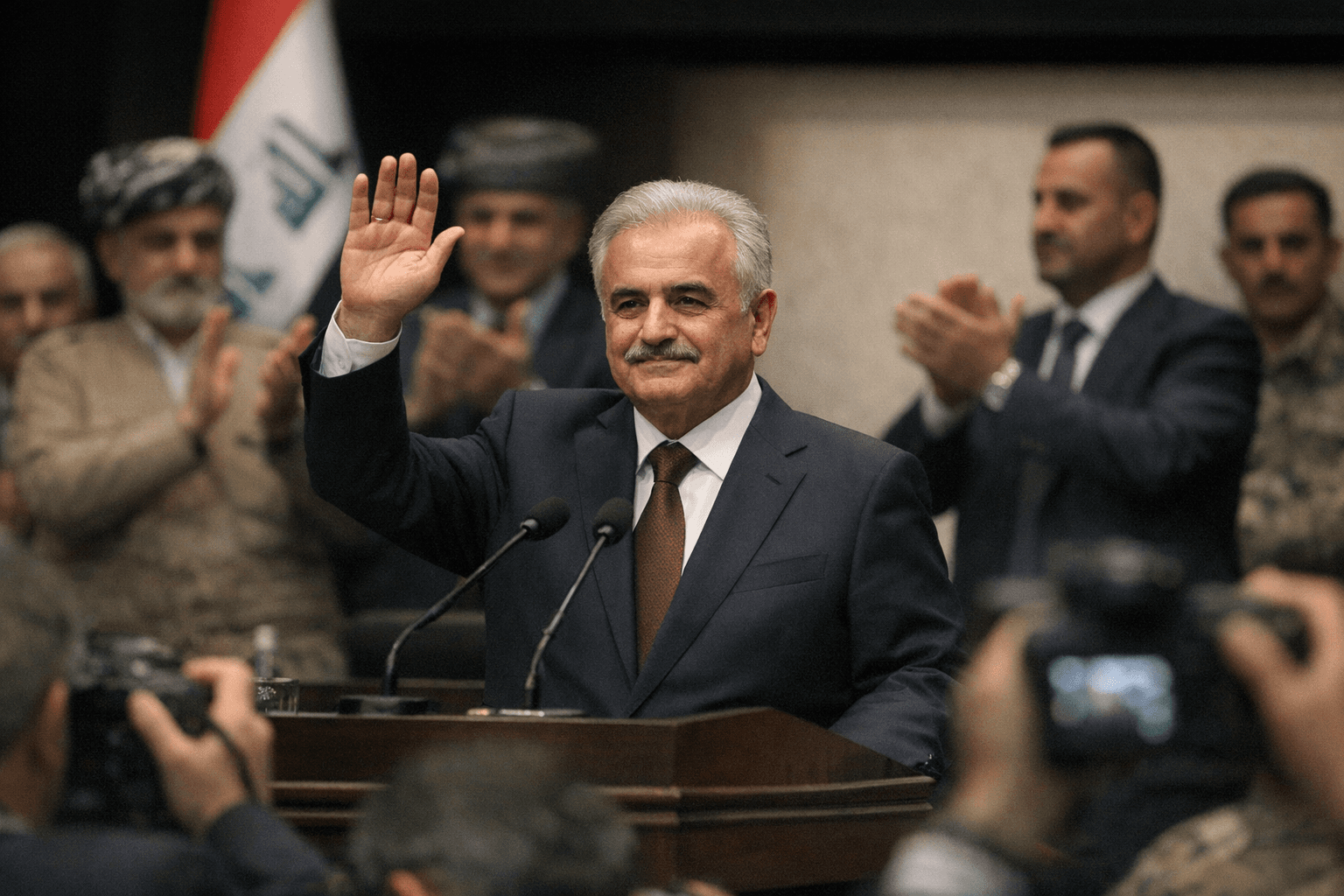
Political leaders framed the vote as a step toward government formation. Speaker Haibet al-Halbousi congratulated Amedi, calling the election a "constitutional milestone." Rudaw reported that after his oath Amedi said, "We will use our power to protect Iraqi interests." Prime Minister Mohammed Shia al-Sudani described the result as "enhances the democratic path" and urged rapid formation of a strong government. Associated Press noted the election occurred more than two months after the constitutional deadline for selecting a president.
Under the constitution the next formal step requires the newly sworn president, within 15 days, to task the prime minister nominee from the largest parliamentary bloc with forming a government; parliament will then move into consultations and votes to designate a prime minister. Whether Amedi’s presidency unlocks a durable, functioning administration or triggers further protracted bargaining will hinge on intensive negotiations over portfolios, coalition shares and security appointments in the weeks ahead.
This article was produced by Prism’s automated news system from verified source data, official records, and press releases, then run through automated quality and moderation checks before publishing. The system is built and supervised by the people who set the standards it runs under. Read our full AI policy.
Did this article answer your question?