Trump administration faces tough choices after 21 hours of failed talks
After 21 hours with no deal, Trump faces a narrowing set of options: more talks, sanctions or renewed strikes as Hormuz and inflation risks grow.
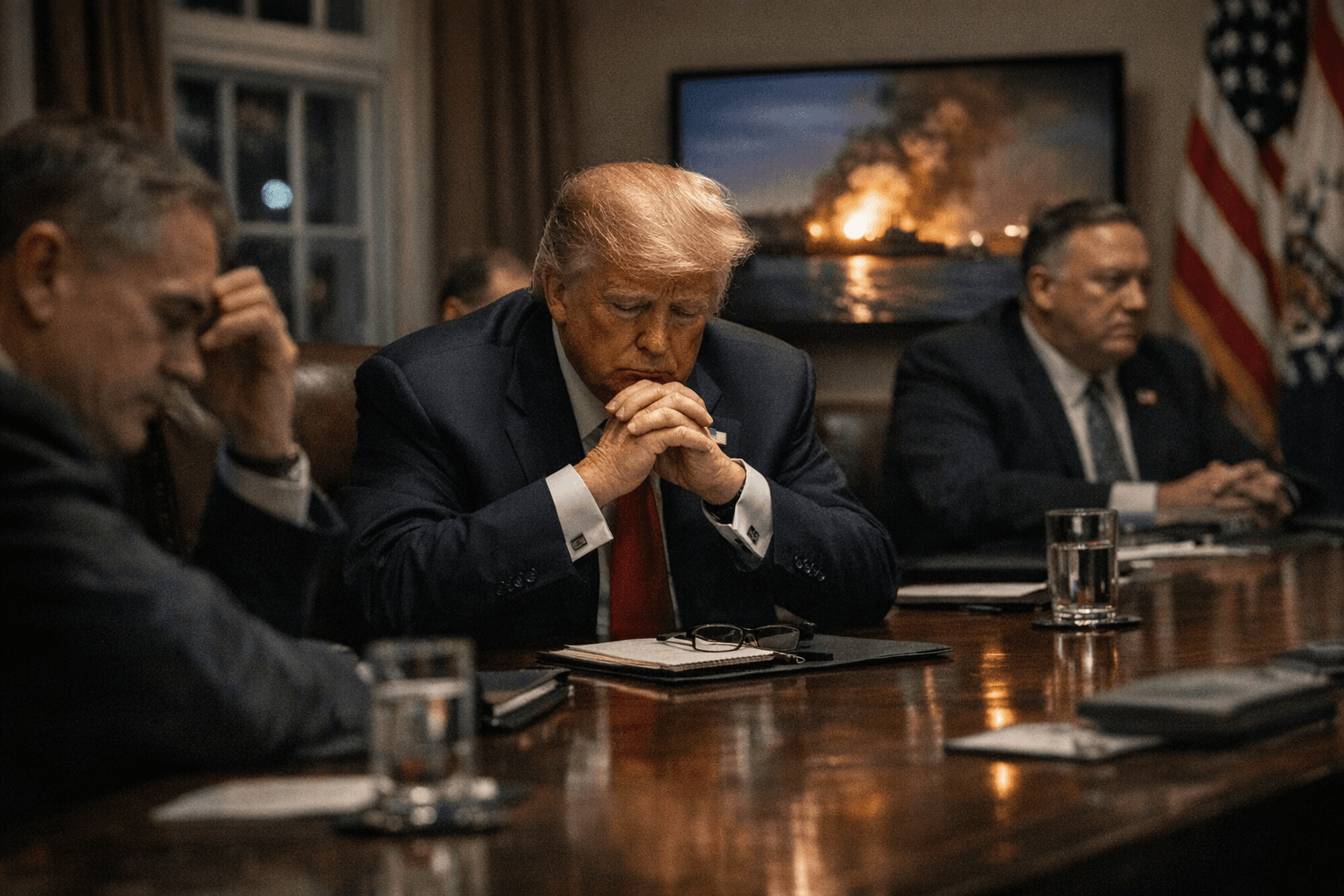
The 21-hour negotiating session in Islamabad ended without a deal, leaving a fragile two-week ceasefire in doubt and forcing the White House toward a small set of choices before the truce expires on April 22. Vice President JD Vance, joined by Steve Witkoff and Jared Kushner, left Pakistan after direct talks with Iranian and Pakistani officials, and White House officials indicated President Donald Trump would decide what comes next.
At the center of the breakdown was Iran’s nuclear program and control of the Strait of Hormuz. U.S. officials said Tehran would not commit to abandoning the path to a nuclear weapon, while Iranian officials said the gap remained too wide and blamed U.S. overreach. Pakistani mediators are still urging the sides to preserve the ceasefire, but neither side has said what happens if the clock runs out.
One path is to keep talking, even if only through intermediaries and technical teams. Some technical personnel from both sides were still meeting after the leaders broke off face-to-face discussions, but every extra day without agreement keeps the region in limbo. The war has killed at least 3,000 people in Iran, 2,020 in Lebanon, 23 in Israel and more than a dozen in Gulf Arab states, and it has already driven energy prices higher across global markets.
A second path is renewed military pressure. The U.S. military said two destroyers transited the Strait of Hormuz ahead of mine-clearing work, the first such move since the war began. Trump had already suspended attacks for two weeks, and the last major deadlock in February was followed by 38 days of missile and bombing strikes across Iran, with more than 13,000 targets hit. That makes escalation a real option, but also a dangerous one, with the risk of broader regional war if shipping lanes or military sites are hit again.
A third option is to tighten economic pressure. The State Department says its Iran sanctions program is designed to restrict access to the United States for companies doing business in Iran, and recent actions have targeted Iranian petroleum trade and the shadow fleet. That would likely deepen the pressure on Tehran, but it would also raise the risk of higher fuel costs, more inflation and political blowback at home if energy markets tighten again while the ceasefire remains unsettled.
This article was produced by Prism’s automated news system from verified source data, official records, and press releases, then run through automated quality and moderation checks before publishing. The system is built and supervised by the people who set the standards it runs under. Read our full AI policy.
Did this article answer your question?


