US-Iran talks in Islamabad end without deal, diplomacy remains open
Islamabad’s 21-hour переговорs ended without a deal, but Washington still left the door open if Tehran accepts its final terms on nuclear weapons and regional security.

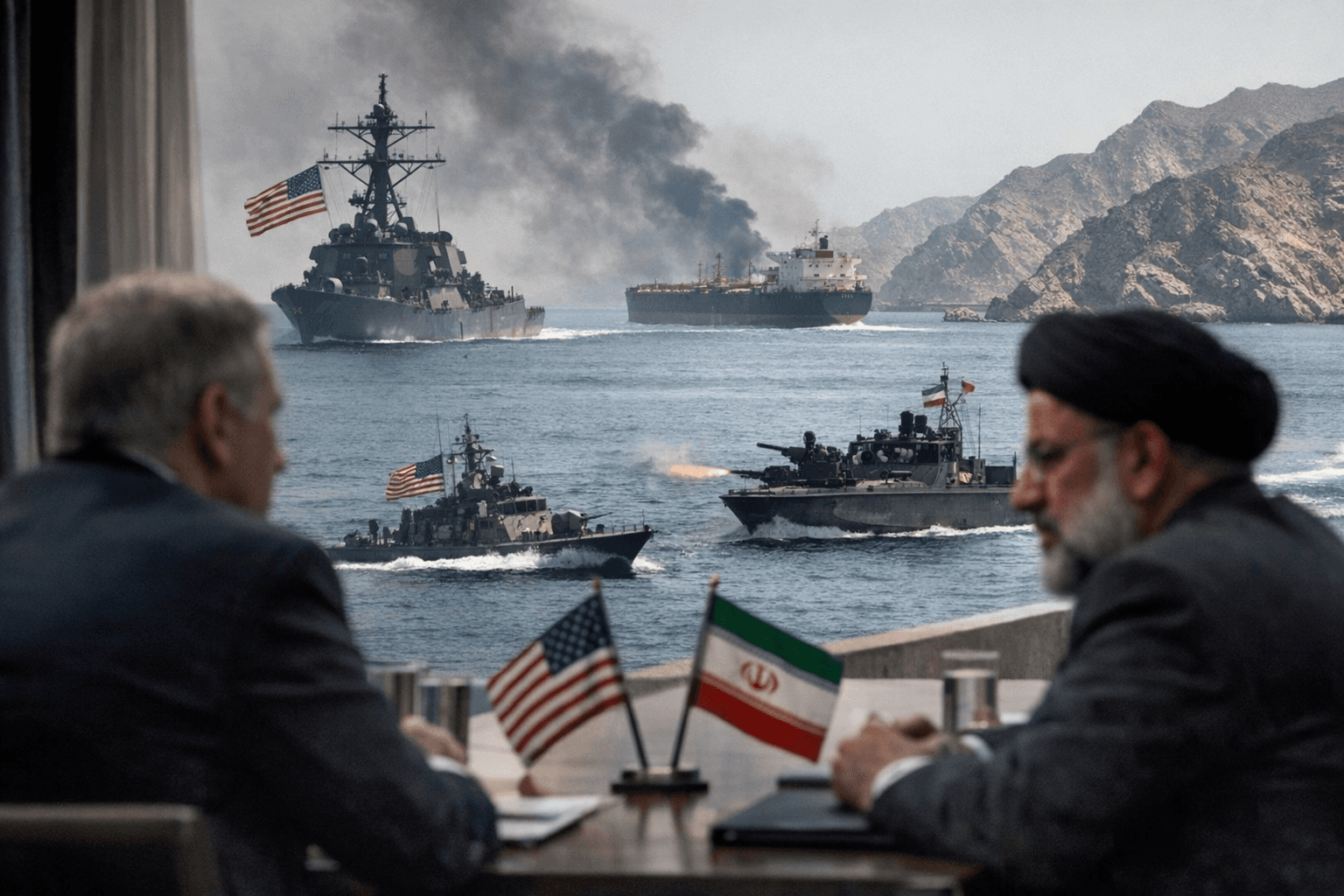
The failed talks in Islamabad did not end diplomacy, but they narrowed it to a blunt test of political will: whether Iran will accept Washington’s demand that it commit not to pursue nuclear weapons, and whether the two sides can bridge disputes over sanctions, Lebanon and the Strait of Hormuz.
After about 21 hours of face-to-face negotiations, U.S. and Iranian delegations left Pakistan on Sunday, April 12, 2026, without an agreement. The meeting came during the war’s seventh week, under a fragile two-week ceasefire announced on April 8, and it was the first direct encounter of its kind since the conflict began.
Vice President JD Vance kept the diplomatic channel open even as the round collapsed, saying the United States remained willing to keep talking if Iran accepted Washington’s “final and best offer.” That stance leaves the next move squarely with Tehran, but it also underscores how little room remains for bargaining after the latest deadlock.
The central obstacle is Iran’s nuclear program. U.S. officials have pressed for a firm commitment that Iran will not seek nuclear weapons, while other flash points have complicated any broader bargain. Control and security around the Strait of Hormuz, the future of sanctions relief, and Iran’s role in Lebanon all remained unresolved, with reports indicating Tehran had cast doubt on the talks before they began by insisting on commitments on Lebanon and sanctions first.
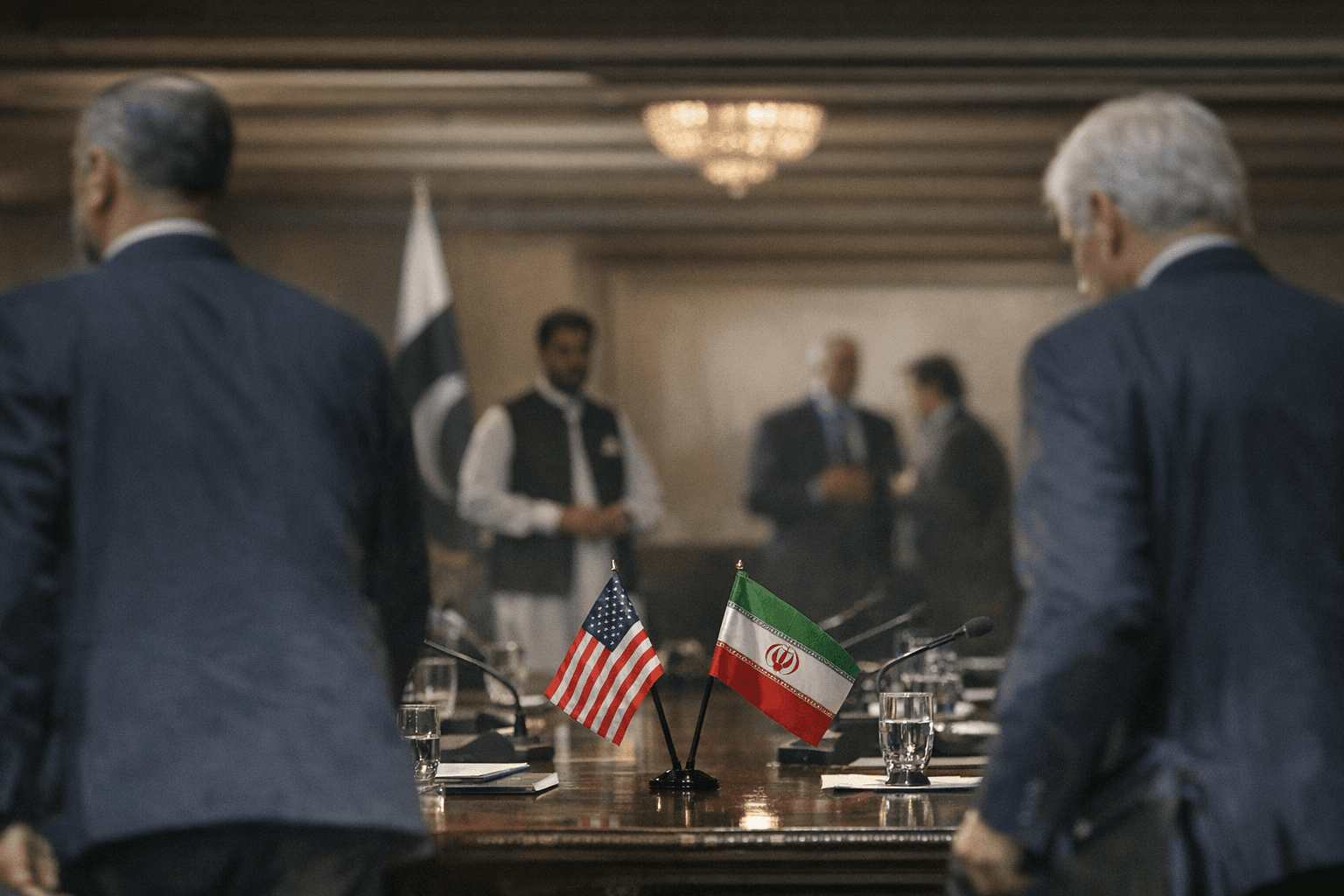
Pakistan tried to present itself as more than a venue. Foreign Minister Ishaq Dar said it was imperative for the parties to uphold the ceasefire and that Pakistan would work to help facilitate new dialogue in the coming days. Pakistani officials also set up a special media center for the talks, signaling the weight Islamabad attached to hosting the negotiations.
The stakes extend far beyond the negotiating table. The United Nations said nearly 40 days of intense hostilities had produced rising civilian casualties and damage to critical infrastructure. Reuters and the Associated Press reported that the war had already killed thousands of people and disrupted global energy supplies, making the stalemate a test not only of diplomacy, but of whether the ceasefire can hold under mounting pressure.
Know something we missed? Have a correction or additional information?
Submit a Tip