Israel and Hezbollah trade deadly strikes as ceasefire falters
Israeli strikes killed at least nine in southern Lebanon while Hezbollah fired rockets back, exposing how quickly the April ceasefire can fray.
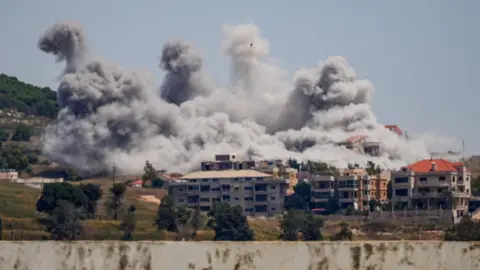
Israeli strikes killed at least nine people in southern Lebanon on Wednesday, including two paramedics whose ambulance was hit in the Chehour area, while a separate strike hit a car just south of Beirut. Hezbollah answered with rockets into northern Israel and said it targeted a gathering of Israeli troops, a sharp reminder that the partial ceasefire has not shut down the conflict so much as narrowed the rules of engagement.
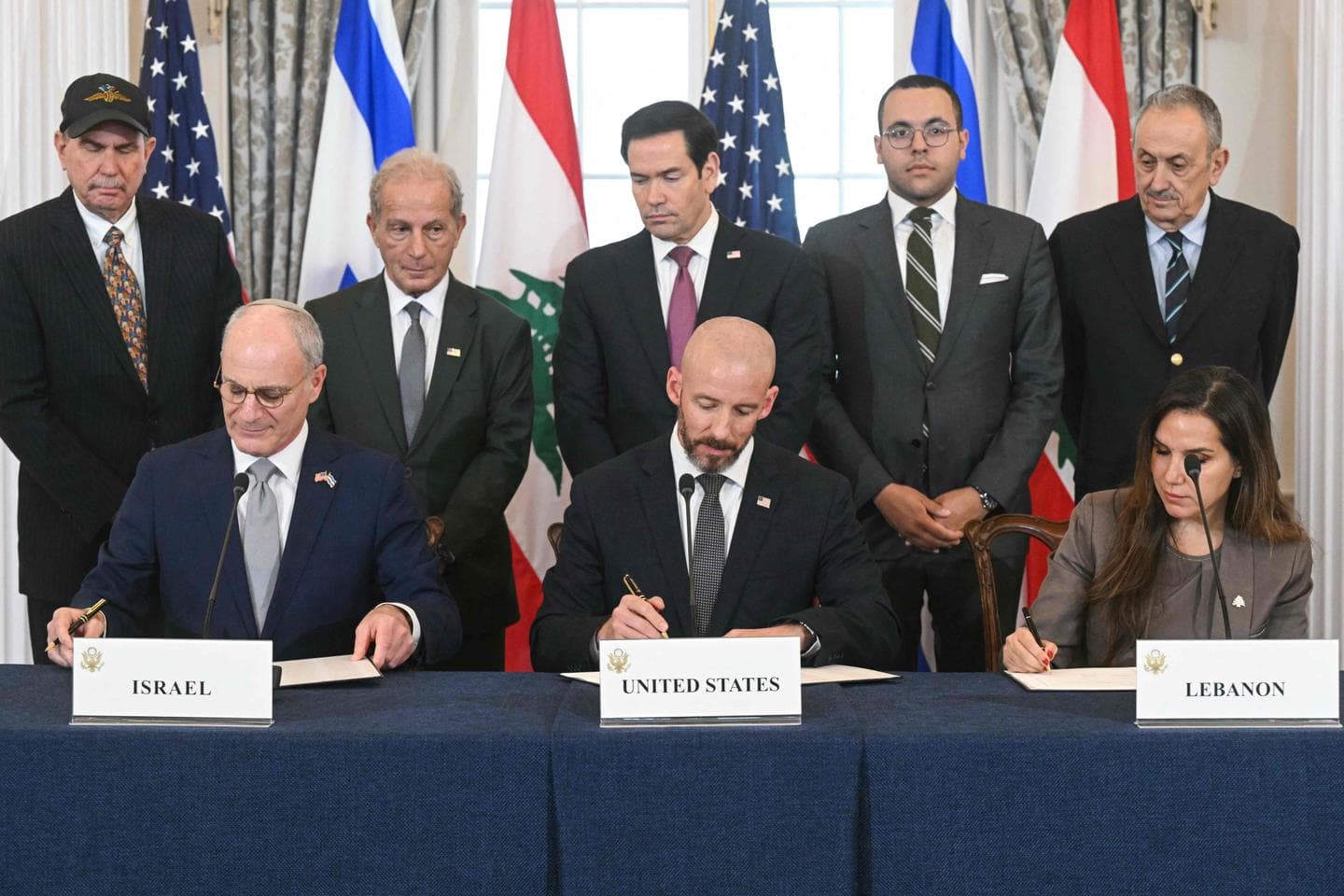
The exchange came as Israeli and Lebanese diplomats held a second day of talks in Washington to shore up the deal. U.S. Secretary of State Marco Rubio said he hoped the talks would produce an action plan for security in Lebanon independent from Hezbollah, a formulation that exposes the central weakness of the arrangement: the truce can only hold if Lebanon can contain Hezbollah and Israel can be persuaded to stop widening its response.
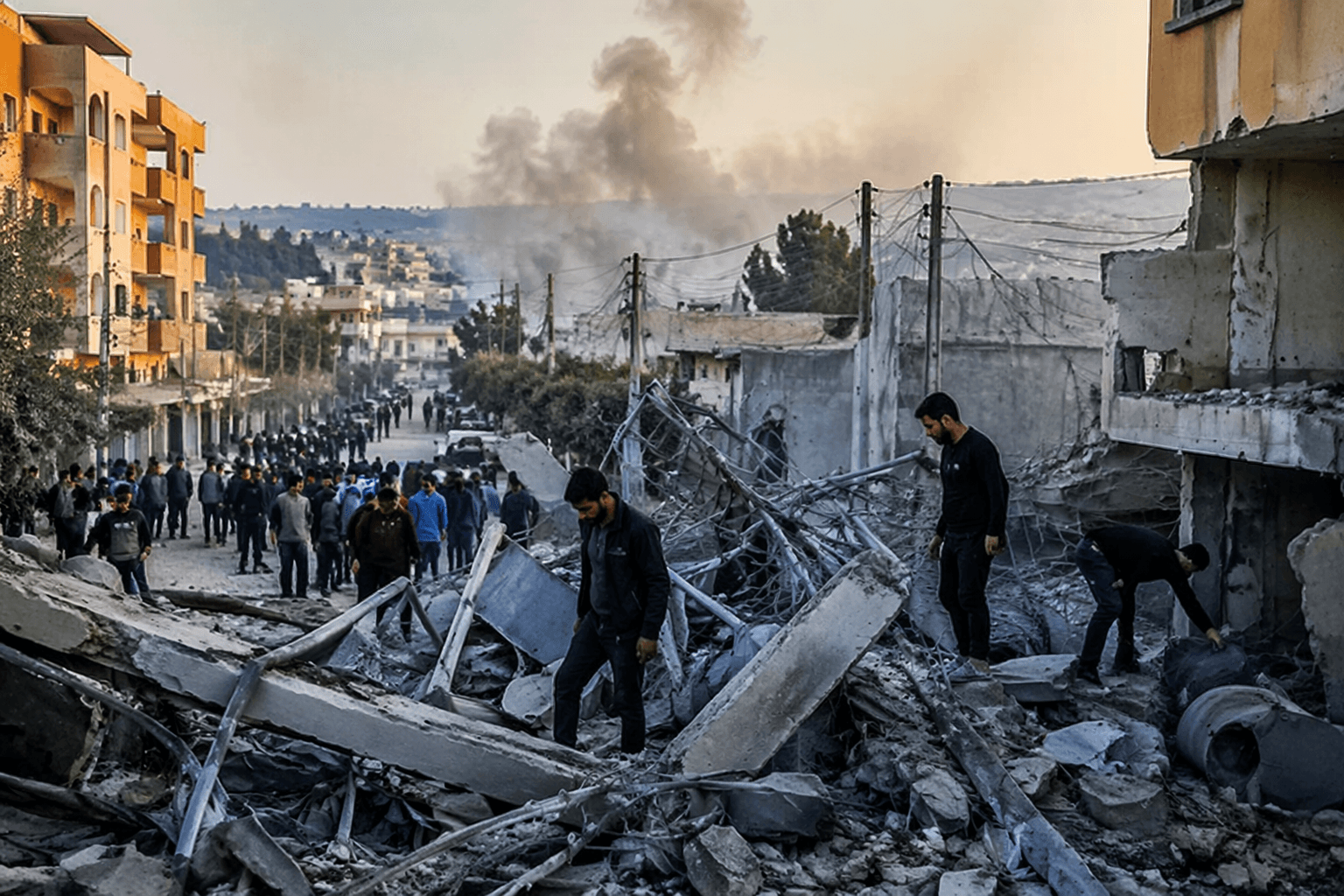
The latest violence also showed how quickly the agreement can be tested by attacks that stop short of all-out war. Israel said it intercepted a drone and two projectiles that crossed the border, while Hezbollah’s rocket fire pushed the front line back toward northern Israel. Last week, Benjamin Netanyahu ordered the Israeli military to intensify its strikes on Hezbollah and advance deeper into Lebanon after drone and rocket attacks on northern Israeli communities, an instruction that raises the risk of escalation if the next exchange produces larger casualties or a strike on a more sensitive target.
The human toll is already immense. At least 3,516 people have been killed in Lebanon since the war began, and more than one million people have registered as displaced, according to the United Nations. Israel says 26 of its soldiers and four civilians have been killed across the border during the fighting. The U.S.-brokered ceasefire announced on 16 April 2026 failed to stop the war, and the continuing strikes suggest the current lull is fragile rather than settled.
What happens next depends on whether both sides keep the violence within an unwritten ceiling. A direct strike on Beirut, a heavier Israeli push deeper into Lebanon, or a Hezbollah attack that inflicts mass casualties in northern Israel could all collapse the narrow space the agreement still occupies. For now, the deal is being measured not by peace, but by how many more blows it can absorb before it breaks.
This article was produced by Prism’s automated news system from verified source data, official records, and press releases, then run through automated quality and moderation checks before publishing. The system is built and supervised by the people who set the standards it runs under. Read our full AI policy.
Know something we missed? Have a correction or additional information?
Submit a Tip