Israel and Lebanon begin fragile ceasefire as Hormuz remains blocked
A 10-day truce in Lebanon has slowed fighting, but only briefly. In the same stretch, the Strait of Hormuz stayed choked, keeping oil markets and regional tensions under pressure.
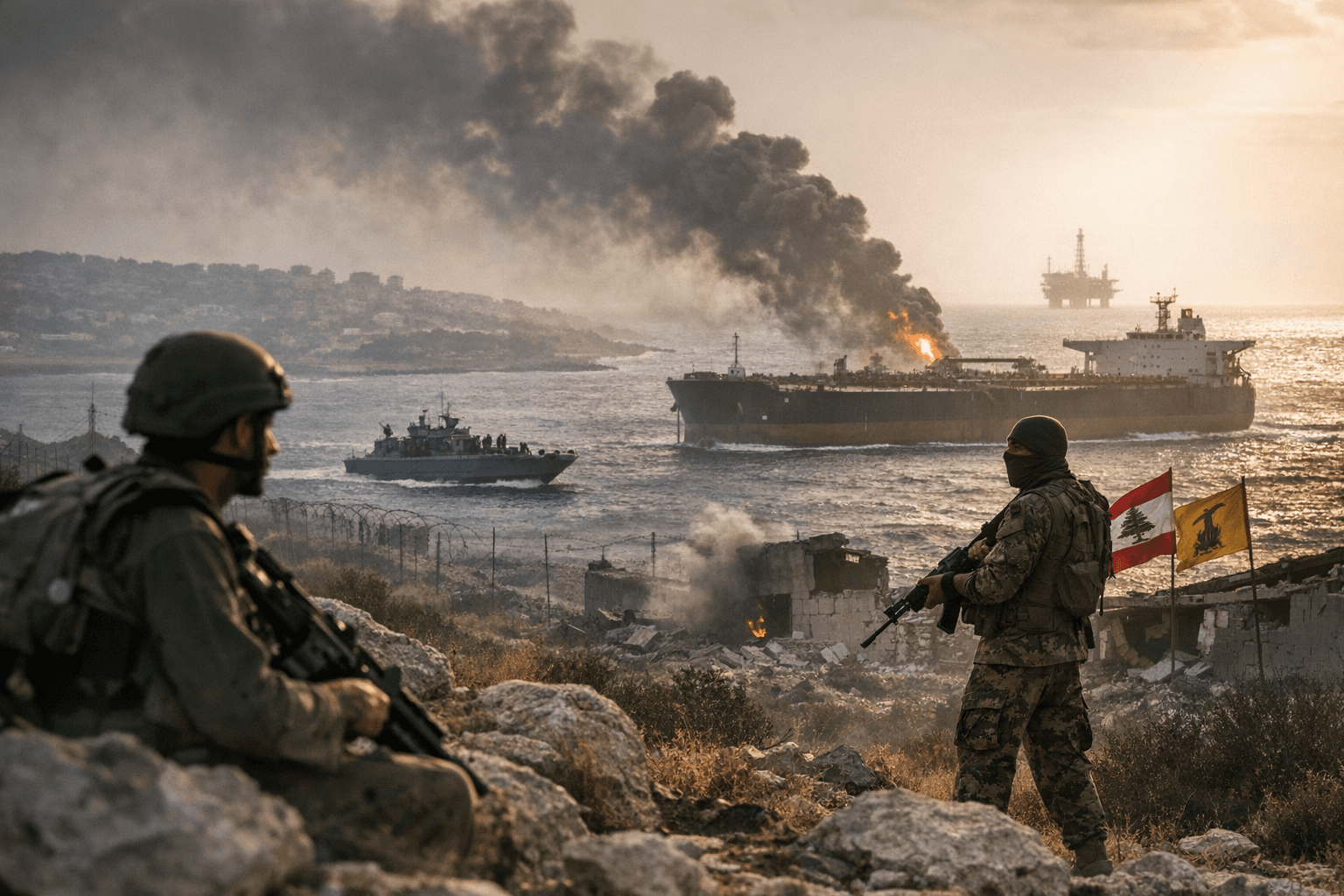
Israel and Lebanon entered a fragile 10-day ceasefire that began at 5 p.m. Eastern time on April 16, but the truce opened with the same problem that has shadowed the region for weeks: violence and uncertainty did not stop at the border. President Donald Trump announced the agreement as a path toward negotiations on a more permanent security and peace deal, yet Israel continued striking in Lebanon after the announcement, and Hezbollah had not clearly committed to abide by the arrangement.
The next 10 days now carry outsized weight. For the ceasefire to hold, both sides would need to keep attacks limited, avoid retaliatory escalation, and allow a real negotiating channel to form before the temporary pause expires. Displaced Lebanese civilians have already started returning home, a sign that some communities are betting the guns stay quiet long enough to make movement possible. But the truce is still only mostly holding, and that leaves South Lebanon vulnerable to any misread order, rocket launch, or airstrike.
The larger regional picture is just as unstable. The Strait of Hormuz remained heavily constrained, with only about a dozen ships passing through in the first two days of the ceasefire period, far below normal traffic levels. Oil tankers have been steering clear of the waterway, showing how quickly shipping fear can outlast a diplomatic headline and keep pressure on global energy prices.
That maritime squeeze did not begin with the ceasefire. The United States had already started a blockade of Iranian ports and a partial blockade of the Strait of Hormuz on April 13 at 10 a.m. Eastern time, deepening the disruption across the Gulf region. Even as Lebanon’s truce offered a narrow opening, the shipping chokepoint remained a live lever of pressure on Iran and a reminder that any sense of de-escalation can be undone far from Beirut.
Diplomatic movement is also under way outside the battlefield. Pakistan’s army chief, Field Marshal Asim Munir, met Iranian officials in Tehran on April 16 to press for a second round of U.S.-Iran talks after earlier negotiations in Islamabad failed. The White House has said any further talks would likely take place in Islamabad, though no decision has been made. European leaders, including European Commission President Ursula von der Leyen, welcomed the ceasefire while reaffirming support for Lebanon’s territorial integrity.
For now, the region is living on two tracks: a ceasefire that could still become a negotiating opening, and a shipping crisis that keeps the wider conflict from easing. If the Strait of Hormuz stays blocked and Lebanon’s truce frays, neither diplomacy nor markets will have much room to breathe.
This article was produced by Prism’s automated news system from verified source data, official records, and press releases, then run through automated quality and moderation checks before publishing. The system is built and supervised by the people who set the standards it runs under. Read our full AI policy.
Did this article answer your question?


