Israel approves 350 billion shekels to build independent defence industry
Prime Minister Benjamin Netanyahu announced a government plan to invest 350 billion shekels, about 110 billion U.S. dollars, over the next decade to create a self sufficient Israeli arms industry. The move aims to reduce dependence on external suppliers amid ongoing regional conflict and recent export restrictions by several European governments, a step with broad diplomatic and legal implications.
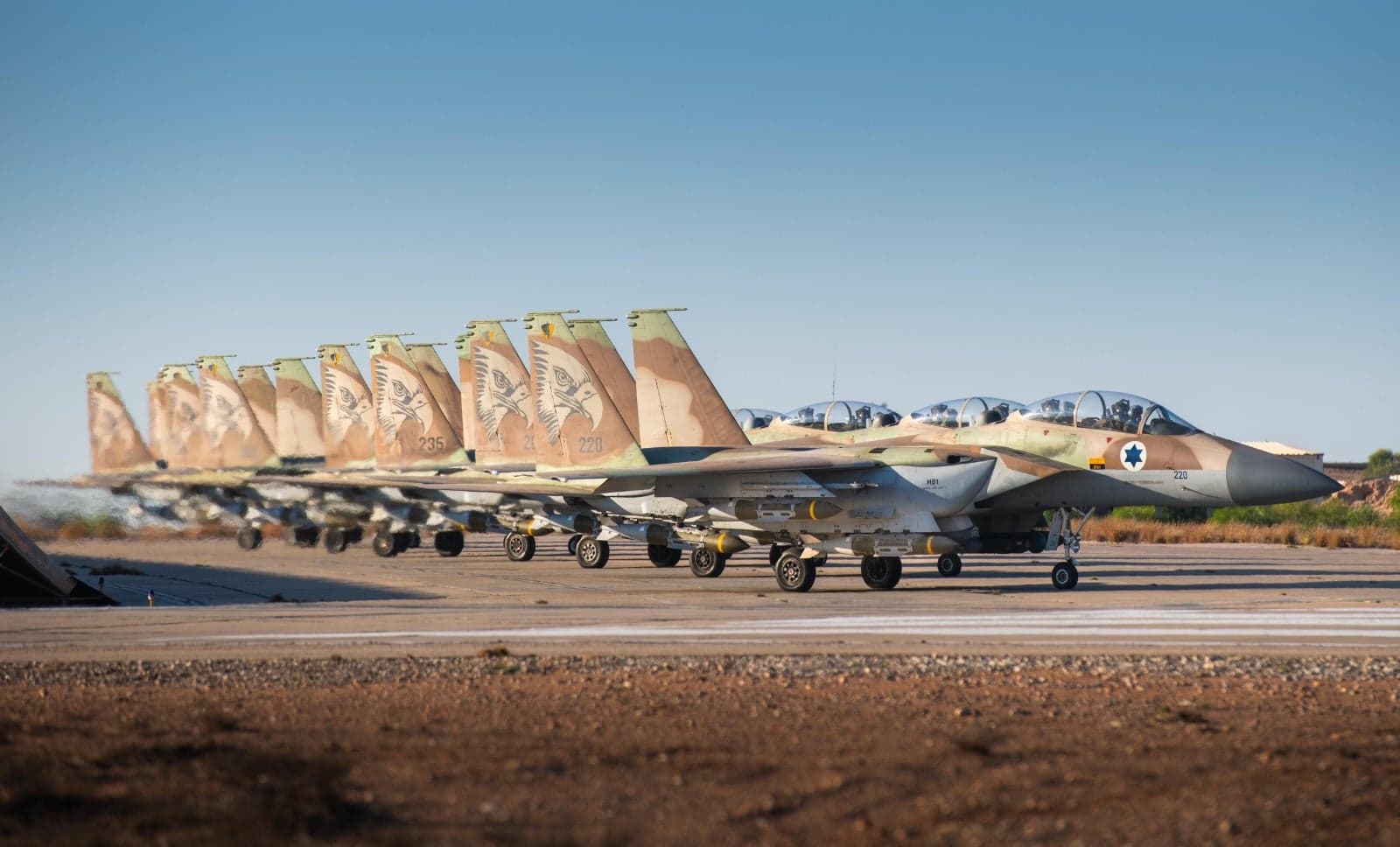
Prime Minister Benjamin Netanyahu on Wednesday said he had approved 350 billion shekels to be invested over the coming decade to build an independent arms industry for the State of Israel. Delivering the announcement at a graduation ceremony for Israeli Air Force pilots at Hatzerim Airbase in southern Israel, Mr. Netanyahu framed the program as a strategic shift toward national self reliance in defence production.
"I approved a total of 350 billion shekels over the coming decade to build an independent arms industry for the State of Israel," he told the graduating pilots. He added that the goal was to reduce reliance on outside suppliers, "We want to reduce our dependence on any party, even on friends. The finest minds in our defense industries are hard at work developing weapons systems that will guarantee Israel’s advantage on the battlefield of the future." In further remarks he said, "We have established our status as a regional power, and in certain fields, as a global one. This brings many other countries closer to us. Peace is made with the strong, not with the weak."
The announcement comes against the backdrop of sustained Israeli military operations across the region. Governments including Germany, Britain, Spain and the Netherlands have taken steps to restrict or review arms exports to Israel amid concerns about conduct in the current conflicts. Those export limitations have helped drive official urgency to underwrite a domestic industrial capacity that can supply the armed forces without interruption.
Israel has long relied heavily on equipment sourced from the United States under an established defence cooperation relationship. Government data indicate that defence will account for roughly 16 percent of public spending in 2026, or about 35 billion U.S. dollars of an overall budget of approximately 208 billion U.S. dollars. The approved 350 billion shekel investment sits alongside those commitments and signals a large scale attempt to overhaul procurement and production priorities.
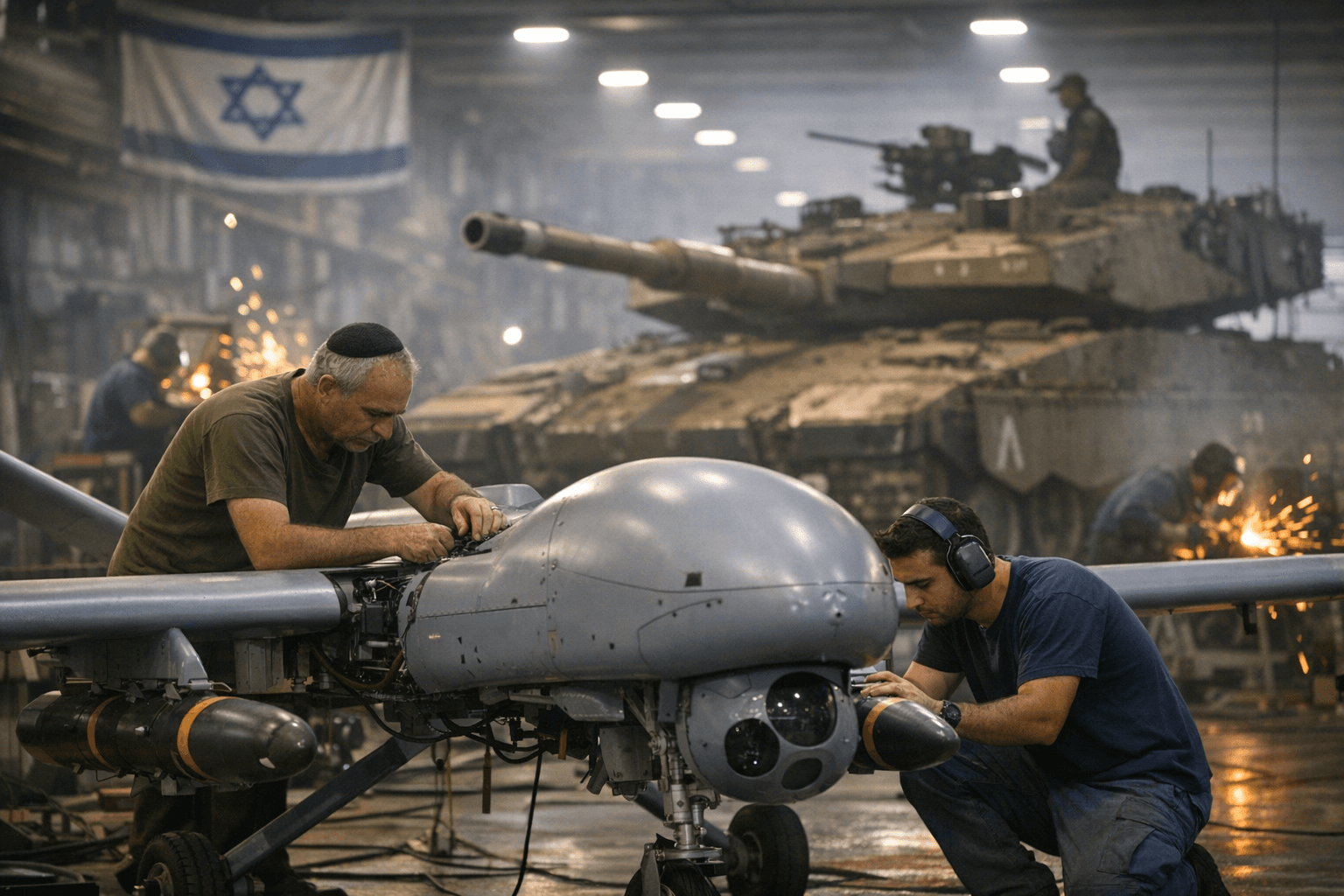
The government has not provided a program by program breakdown of the funding, nor has it named the companies that will receive contracts, outlined precise timelines for specific systems, or specified the legislative steps required to implement the plan. Those omissions will shape the coming debate in parliament and in international capitals as allies and potential buyers assess the political and legal dimensions of a rapidly enlarged Israeli defence export sector.
International legal concerns and diplomatic sensitivities are likely to follow. Expanding a domestic arms industry can bolster national security and create high value jobs and exports, yet it may also complicate relations with states that have already imposed export controls. Export licensing regimes, end user assurances and compliance with international humanitarian law will be points of scrutiny as Israel seeks both self sufficiency and new customers abroad.
For now the government casts the investment as a long term insurance policy against supply shocks and a statement of strategic autonomy. How that ambition will alter Israel’s military posture, industrial ecosystem and international relationships will depend on the specifics that the government has not yet released and on reactions from partner states and regional actors.
This article was produced by Prism’s automated news system from verified source data, official records, and press releases, then run through automated quality and moderation checks before publishing. The system is built and supervised by the people who set the standards it runs under. Read our full AI policy.
Did this article answer your question?


